Exacta Betting in Handicap Races: Why Competitive Fields Produce Superior Dividends
 Available in US
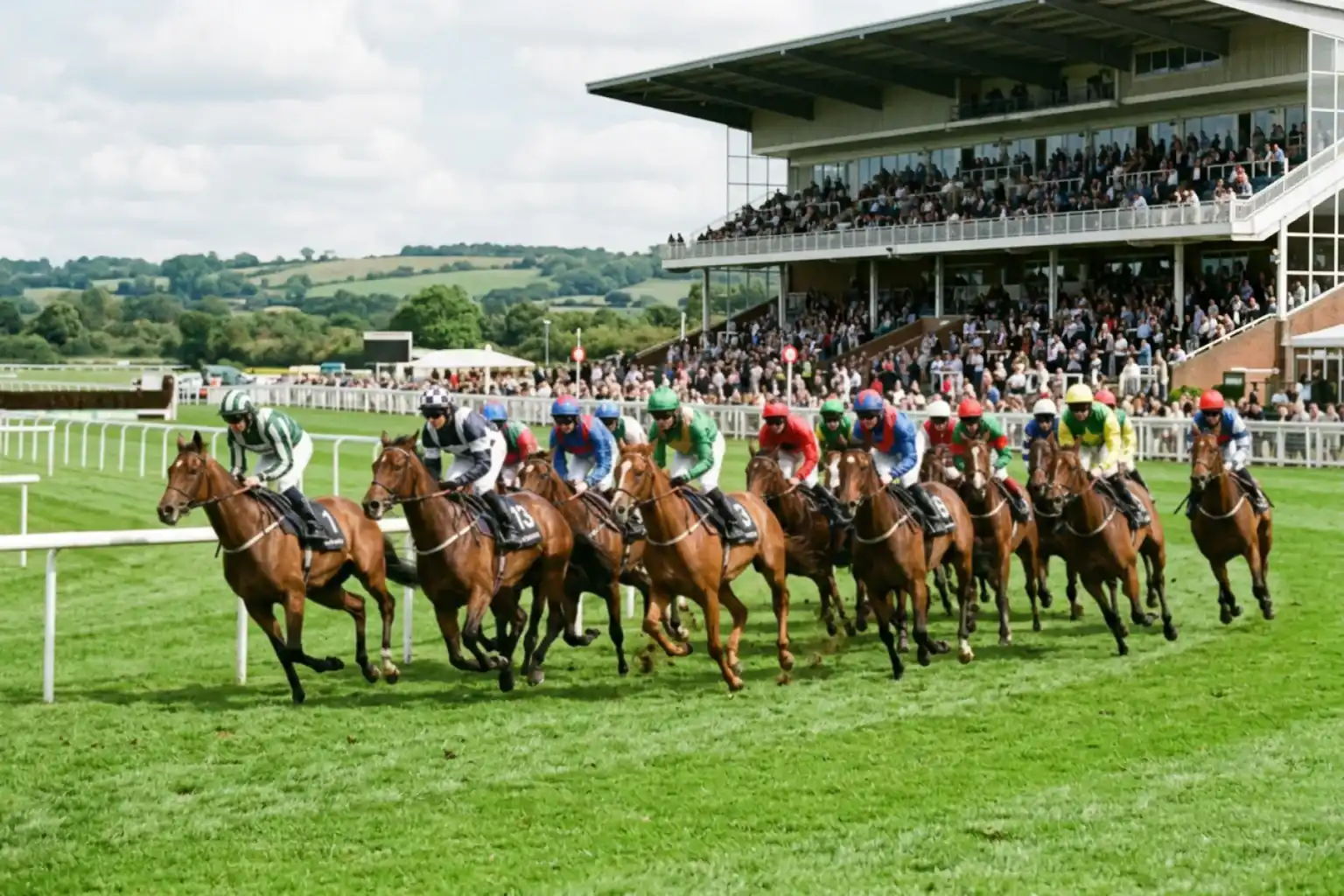
The biggest exacta dividend I ever collected came from a 0-85 handicap at Haydock on a wet Saturday in October. Not a Group race, not a festival feature, not even a race that made the TV highlights. Fourteen runners, a false pace that brought closers into play, and a front two that between them had attracted less than 4% of the exacta pool. The dividend was 847 to a 1 unit, and it taught me a lesson I have never forgotten: handicaps are where the exacta money lives. Visit horse racing exacta bet for handicap exacta tips.
The Handicap Structure and Why It Matters
Every handicap race is built on the premise that the official handicapper has assessed each horse’s ability and assigned weights to equalise their chances. In theory, every horse in a handicap has an identical probability of winning. In practice, the handicapper gets it almost right – which is exactly the sweet spot for exacta bettors.
When the handicapper is close but not perfect, the finishing order becomes unpredictable to the betting public but not to punters who study form, conditions, and pace. Average field sizes on the Flat in 2025 hit 8.90 runners, but handicaps consistently exceed that average, particularly at Premier meetings where the average climbs to 11.02 runners. A 14-runner handicap generates 182 exacta combinations. The public’s money concentrates on 20-30 of those combinations, leaving 150 or more with thin or no support.
That concentration is the exacta bettor’s structural advantage. When favourites win 30-35% of races overall, handicaps suppress that figure further – the more competitive the field, the lower the favourite’s actual win rate drops. A 14-runner handicap where the favourite is 5/1 might see that horse win 15% of the time. The exacta pool, however, still clusters disproportionately around combinations involving the favourite, because casual bettors anchor on market position regardless of the race type.
Class Handicaps vs Open Handicaps
I spent a full season tracking exacta dividends by handicap class, and the results were not what I expected. I assumed the highest-class handicaps – the 0-110s at Ascot and Newmarket – would produce the best dividends because the horses are closer in ability. They did not. The best average dividends came from the 0-75 and 0-85 bands at mid-tier tracks.
The reason is pool composition. High-class handicaps attract knowledgeable money – professional punters, syndicates, racing insiders who study the form in depth. The pool distribution in these races is more sophisticated, with money spread more evenly across realistic combinations. Lower-class handicaps attract a higher proportion of casual money, where punters bet names they recognise, jockeys they follow on social media, or horses their friend at the pub recommended. That casual money concentrates on a narrow set of outcomes and inflates the dividends for everything else.
The ideal handicap for exacta betting sits in a specific band: 12-18 runners, a class rating between 0-70 and 0-95, and a race where the top weight has an obvious question to answer – ground, trip, draw, or tactical setup. These races attract decent pool sizes without the professional money that flattens the dividend structure in the top-class events.
Using the Draw to Filter Handicap Exactas
At Ascot’s straight course, Chester’s tight bends, and Beverley’s undulating track, the draw is not a marginal factor – it is a decisive one. Sprint handicaps on straight courses where a strong draw bias exists offer an additional filtration layer for exacta selection that most pool bettors ignore completely.
I remember a 6-furlong handicap at Ayr where stalls 1-4 had produced 70% of the winners over the previous two seasons on that ground configuration. The 12-runner field had two well-fancied horses drawn in stalls 10 and 11. The betting public backed them heavily in the exacta pool because their form was the most visible. Meanwhile, two lightly raced improvers drawn in stalls 2 and 3 were virtually ignored. They finished first and second, and the exacta paid over 400 to a 1 unit.
Draw data is freely available from most form databases, and filtering handicap runners by draw advantage takes five minutes per race. It does not guarantee winners, but it systematically identifies combinations that the casual betting public undervalues. When you combine draw filtration with form analysis and pace projection, the handicap exacta becomes less of a lottery and more of an informed probability exercise.
Pace and Handicap Exactas
Who makes the running in a handicap? That question determines more exacta results than any other single factor. In a small-field Group race, the pace tends to be controlled and predictable. In a big-field handicap, the pace scenario is chaotic – three or four front-runners can drag each other into an unsustainable gallop, setting up closers who are invisible in the early market.
I map the likely pace of every handicap I bet on by categorising each runner as a front-runner, tracker, or closer based on their recent running style. When three or more front-runners are drawn near each other in a big-field sprint, the pace will be fierce and the race will set up for horses who race prominently but just off the speed. Those horses are my exacta selections for first, with the front-runners as potential second-place fillers if they hang on gamely after making the pace.
Conversely, when only one horse wants to lead, the pace will be steady and the race favours horses with tactical speed who can sprint from two furlongs out. Different race shape, different selections, different exacta combinations entirely. The pool does not adjust for pace analysis because most casual bettors do not do it, and that disconnect between my assessment and the pool’s money distribution is the source of value in handicap races that produce headline dividends.
Staking Handicap Exactas Across a Card
A typical Saturday card at a Premier Flat meeting features three or four handicaps alongside the Group races and conditions events. Spreading your exacta budget across all the qualifying handicaps creates a portfolio effect that smooths the variance of individual race results.
My allocation is weighted by field size: 14 runners or more gets a larger share than 10-13. The logic is simple – larger fields produce higher average dividends, so the expected return per unit staked is greater. A 10p unit across a 4×6 part-wheel in a 16-runner handicap costs 2.40, and the dividend potential if an unconsidered combination lands can be in the hundreds. Three or four of these bets across a card costs under a tenner and gives genuine exposure to the kind of results that make exacta betting worthwhile.
The discipline is resisting the temptation to play the non-handicaps. A 5-runner Listed race where the favourite is 4/5 will produce a modest exacta dividend even if the outsider finishes second. The maths do not justify the stake, and the money is better deployed in the next handicap on the card. Selectivity across a card mirrors selectivity within a race – the edge comes from identifying the best opportunities and committing capital only where the structure favours the pool bettor. Try exacta betting on all-weather racing for year-round handicap action.
Why do handicap races produce higher exacta dividends than Group races?
Handicap races have larger fields, more competitive runners, and a betting public that clusters its money on a small fraction of the possible combinations. A 14-runner handicap has 182 exacta combinations, but the public typically covers fewer than 30. When an under-backed combination wins, the dividend reflects the concentration of money elsewhere in the pool. Group races with 6-8 runners have fewer combinations and more predictable results, producing lower dividends.
Should I always box my exacta in a handicap race?
Boxing is rarely the most efficient approach in large-field handicaps because it doubles your cost for each pair of selections. A part-wheel structure – picking two or three potential winners and wheeling them with a broader set of second-place candidates – gives better coverage per pound staked. Boxing works best when you have two strong fancies and believe the race comes down to their order of finish.
Prepared by the Horse Racing Exacta bet editorial staff.