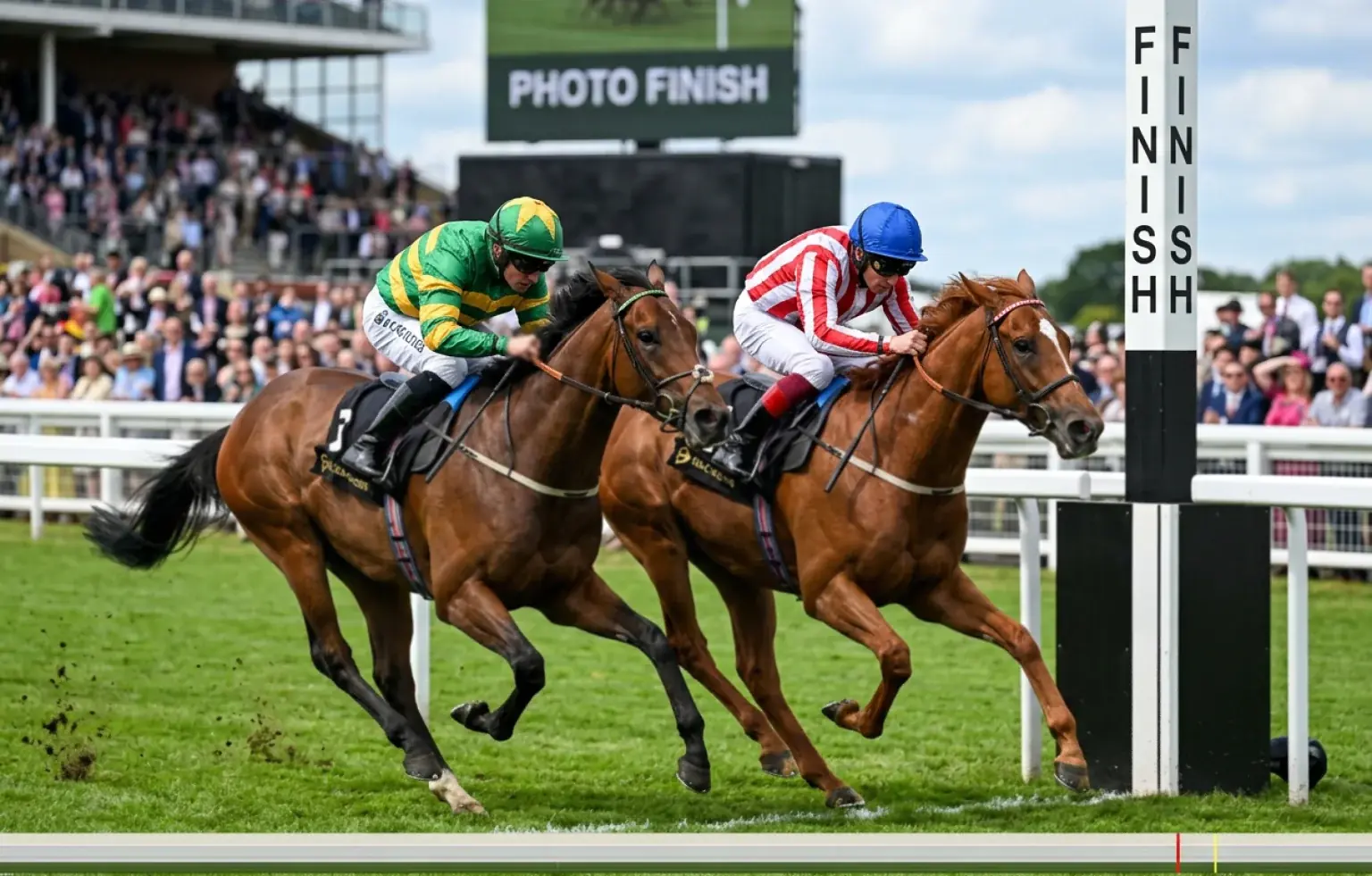
Exacta Bet Strategy: Keying, Wheeling and Data-Led Approaches
 Available in US
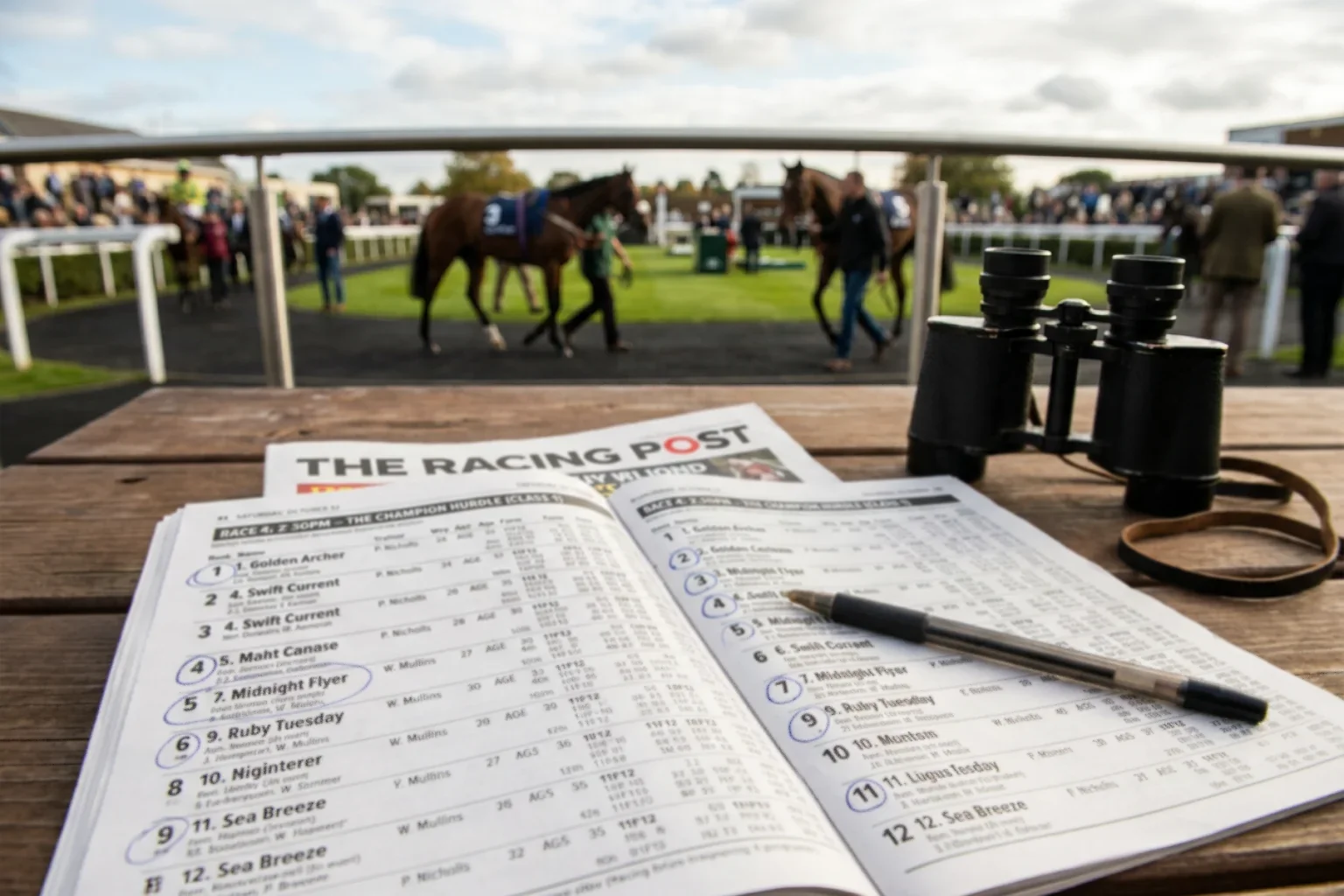
Most exacta bettors have a strategy – they just do not know it. They box their three favourite horses, place the same unit stake every time, and hope for a big dividend. That is not a strategy. That is a lottery ticket with extra steps. Visit horse racing exacta bet for proven exacta strategies.
Exotic and forecast bets, including exactas and tricasts, account for roughly 8 to 12% of the total UK horse racing betting turnover. That slice of the market tends to attract two types of punter: the casual bettor looking for a big payout on a small stake, and the methodical analyst who sees exacta pools as the most efficient way to monetise a strong race read. The casual bettor subsidises the methodical one. If you are reading this, I assume you would rather be on the receiving end of that transfer.
Over six years of specialising in UK pool markets, I have refined a handful of approaches that consistently generate value from Tote Exacta pools. None of them are secret, none require a PhD, and none guarantee profits in any given week. What they do is shift the odds in your favour over the long run by aligning your bet structure with the information you actually possess about a race. Here is how each one works.
The Banker Key: Building Around Your Strongest Opinion
At Newmarket’s Guineas meeting in 2024, I keyed a filly I considered a near-certainty to win the 1000 Guineas with four horses underneath for second. The key cost me four pounds. A full five-horse box would have cost twenty. She won by three lengths, and one of my second-place selections ran into the frame. The dividend paid 47 pounds to a one-pound unit – a return that would have been diluted to a 27-pound profit on a twenty-pound box but came through as a 43-pound profit on a four-pound key. Same result, vastly different economics.
The banker key is the cleanest exacta strategy available. You identify one horse you are confident will finish first – your banker – and combine it with multiple selections for second place. The total cost equals the number of horses you place underneath, each at one unit stake. Key a banker with three underneath and you spend three units. Key with five underneath and you spend five. The savings compared to boxing the same group of horses are enormous: a five-horse box costs 20 units, but a five-horse key costs only four (one banker with four underneath) or five (one banker with five underneath, depending on whether the banker is counted separately).
The question that determines whether keying works is straightforward: how often does the favourite actually win? In UK racing, favourites win approximately 30 to 35% of all races. Odds-on favourites on the flat win 55 to 60%. In maiden races, that figure climbs to 61%. These are not coin-flip probabilities – they represent genuine predictive value embedded in the market. When you identify a race where the favourite is particularly strong – good recent form, suited by conditions, drawn well, ridden by a leading jockey – the probability of that horse winning can push above 60%, making it a prime candidate for a banker key.
The second-place selections are where your form reading matters most. I look for horses with consistent placed form – runners that regularly finish in the first three but lack the raw ability to beat the banker. Consistent place horses often go overlooked in exacta pools because the public fixates on potential winners. When one of these grinders fills the runner-up spot behind a dominant banker, the dividend can be surprisingly generous because fewer bettors have backed that specific combination.
You can also reverse the key, fixing a horse in second place and combining it with multiple first-place options. This works in races where a consistent improver or pace-dependent type is likely to hit the frame regardless of who wins. I use this angle less frequently, but it has produced some of my best individual returns because the pool tends to under-price second-place finishers relative to winners.
Wheeling for Coverage Without Losing Your Edge
Wheeling is what I turn to when I have a strong opinion about one finishing position but want broader coverage in the other. The full wheel is the extreme version: take one horse and combine it with every other runner in the field, either on top or underneath. In a 10-runner race, wheeling a horse on top with the entire field underneath creates 9 combinations. The partial wheel is more refined – you wheel your selection with a subset of the field rather than all of it.
I used a partial wheel at the Ebor meeting last year. An improving stayer was my pick for second – a horse with strong late pace who consistently ran on without quite getting up. I wheeled five likely winners on top of him, creating five combinations at five pounds total. He finished second as expected, and one of my five first-place selections won at 7/1. The exacta dividend was generous because the public had not connected that particular pair.
The practical difference between wheeling and boxing comes down to position conviction. A box says “I like these horses to fill the first two places in any order.” A wheel says “I like this horse in this specific position, and I want coverage against multiple opponents in the other position.” The wheel is cheaper because it generates fewer combinations – a horse wheeled on top with four others underneath is four combinations, while boxing all five produces 20.
Field size directly influences whether wheeling makes sense. The average flat race in the UK has 8.90 runners, while jump races average 7.84. In a field of nine, a full wheel creates eight combinations – affordable at small unit stakes. In a 16-runner handicap, a full wheel generates 15 combinations, which starts to feel expensive. Partial wheeling – selecting five or six runners to pair with your wheeled horse – keeps costs manageable in larger fields while still providing meaningful coverage.
The key to effective wheeling is honest self-assessment. If your confidence in the wheeled horse occupying a specific finishing position is below about 40%, the wheel is probably too wide a net. You would be better off narrowing to a key or even a straight exacta on your two strongest fancies. Wheeling works when your position conviction is high but your view on the opposition is diffuse – the classic “I know where my horse finishes but not who beats or follows him” scenario.
Field Size as a Value Filter
Not every race is an exacta race, and field size is the first filter I apply. Premier flat fixtures averaged 11.02 runners per race in 2025 – the best figure in recent years. Standard midweek meetings produced smaller fields, sometimes dipping below seven or eight. These numbers matter because they shape both the difficulty of the prediction and the depth of the pool.
Small fields – five or six runners – compress the exacta dividend because there are fewer possible combinations and the public concentrates its money on obvious pairings. A five-runner race produces only 20 possible exacta combinations, and in a race with a clear favourite and a likely runner-up, the dominant combination might attract 30 or 40% of the pool. The resulting dividend can be disappointingly small, sometimes barely exceeding a straightforward forecast with a bookmaker. I generally avoid exactas in races with fewer than seven runners unless I have a strong contrarian view on the finishing order.
Big fields – 14 runners and above – create the opposite dynamic. A 14-runner race has 182 possible exacta combinations. The pool money is spread more thinly, and unexpected finishing orders produce dividends that can reach three or four figures. Competitive handicaps with large fields are the natural habitat of the exacta bettor. The difficulty of prediction is high, but the reward for getting it right is proportionally high too.
The sweet spot, in my experience, sits between 8 and 12 runners. These fields offer enough combinations to generate meaningful dividends while remaining small enough that serious form analysis can narrow the contenders to a workable shortlist. I have found that keying a banker with three or four underneath in a 10-runner race – covering approximately 13 to 17% of possible combinations – strikes the best balance between cost and expected value.
There is a structural factor at play as well. The UK horse population has been declining at approximately 1.5% per year since 2022, which has contributed to slightly smaller average field sizes at lower-tier meetings. The shrinkage has been partially offset by improved field sizes at Premier fixtures, but the overall trend means that the richest exacta opportunities are increasingly concentrated at the top of the racing calendar rather than spread evenly across everyday cards.
Reading Pace and Form for Exacta Angles
An Odds Shark handicapper once described the exacta as his favourite wager because the takeout rates are lower than trifectas and superfectas, and it is certainly easier to find the winner and runner-up than find the horses that will finish third or fourth. I agree with the sentiment, but I would add a caveat: finding the winner and runner-up requires a specific kind of analysis that goes beyond standard win-bet form reading.
For a win bet, you need to identify the most likely winner. For an exacta, you need to identify the most likely finishing order among the leading contenders. That distinction pushes you toward pace analysis – understanding how the race is likely to unfold from the stalls or tape to the line, and how that shape favours or disadvantages specific horses.
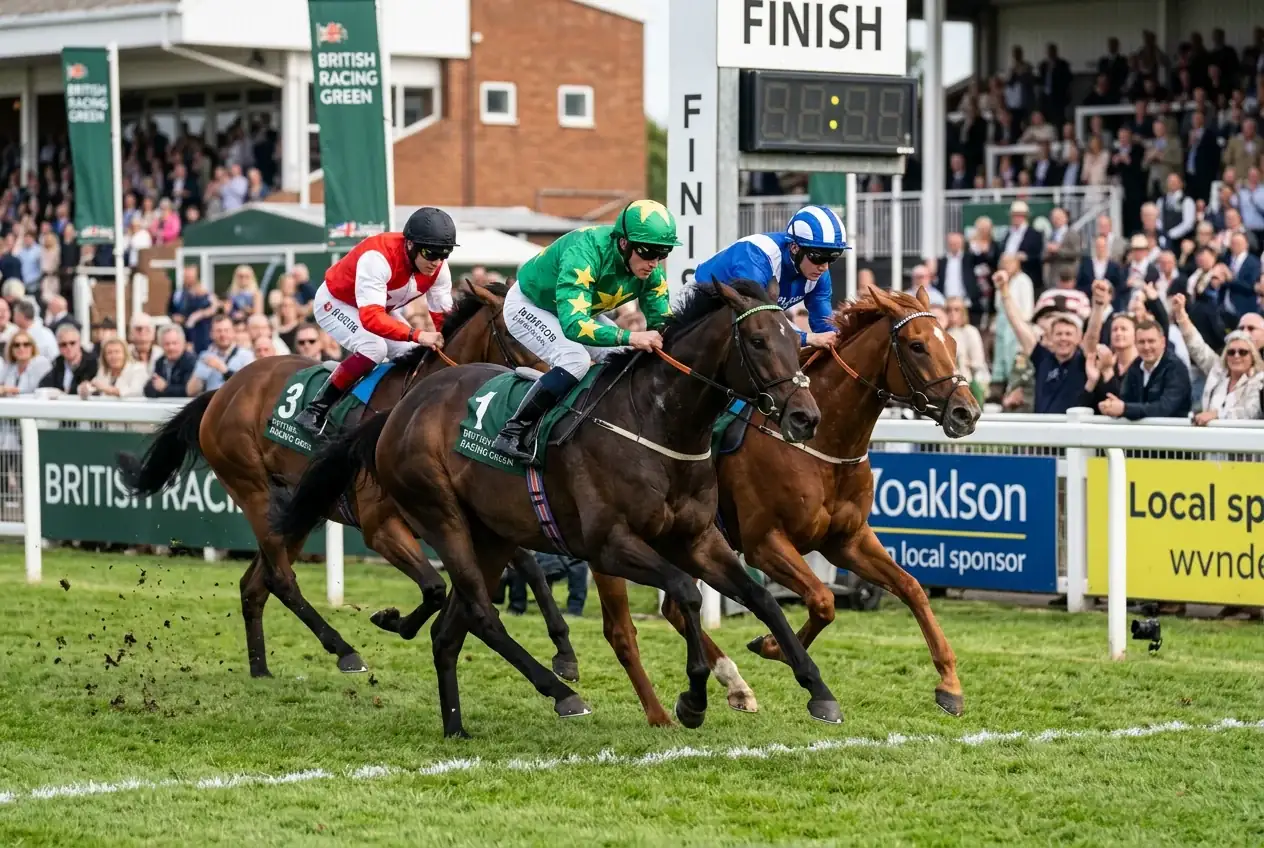
A race with a single front-runner and several closers sets up differently from a race with three pace horses and no obvious leader. In the first scenario, the pace horse either controls the race and wins or gets caught late by one of the closers. The most probable exacta outcomes involve the pace horse finishing first or second – pair it with the strongest closer and you have a high-probability straight exacta. In the second scenario, the pace battle may compromise all three speedsters, allowing a mid-pack stalker to sweep through. The exacta there looks more like a closer-over-closer combination, and the pace horses become unlikely to fill either first or second.
I break my form analysis for exactas into three layers. First, identify the likely pace shape – who leads, who stalks, who comes from behind. Second, assess which horses benefit from that pace shape based on their running style and recent performance patterns. Third, look for ground and distance preferences that confirm or challenge the pace read. A horse who needs soft ground to show its best form loses value in the exacta calculation on good-to-firm, regardless of how well it matches the pace scenario.
Sectional time data, where available, adds another dimension. UK flat racing has expanded sectional timing coverage in recent seasons, and these numbers reveal which horses are finishing fastest through the final two furlongs. A horse that consistently clocks the fastest closing sectional in its races is a strong candidate for the second-place slot in exactas – it runs on late but may not quite get up, fitting neatly underneath a front-runner or pace-pressing type.
Jockey bookings can also signal stable confidence about finishing position. A leading trainer switching to a top jockey for a specific race is often a sign of expected improvement. Conversely, a retained jockey being replaced by an apprentice may suggest the stable views the horse as a place prospect rather than a genuine winning chance. These subtle shifts in jockey arrangements tell you where the connections expect the horse to finish, and that insider view is valuable input for exacta construction.
Staking Plans That Survive the Variance
Every strategy in the world is worthless if you run out of money before it has time to work. Exacta betting is inherently high-variance – you will lose more bets than you win, and the wins need to compensate for the losing runs. A staking plan that accounts for this reality is not a nice-to-have, it is structural.
I allocate a fixed percentage of my monthly betting bank to exactas – currently 25%, divided across the meetings I plan to target. Within that allocation, no single bet exceeds 5% of the exacta bank. If my monthly exacta budget is 200 pounds, the maximum I will spend on any one race is 10 pounds. That cap forces discipline: a four-horse box at one pound per unit costs 12 pounds, which exceeds the cap, so I either reduce the unit stake to 50p (bringing the total to six pounds) or narrow to a three-horse box or key.
The 25% deduction from the Tote Exacta pool is a headwind that your staking plan must account for. Over a large sample, you need your winning bets to return more than four times your total outlay just to break even (since the pool retains a quarter of all money wagered). In practice, this means targeting races where the expected dividend is substantially larger than your bet cost – which loops back to field size selection, pace analysis, and format choice. Betting exactas on five-runner races with short-priced favourites, where dividends might be 10 or 15 pounds, is a structural losing proposition unless you are paying 10p per unit.
I track every bet in a spreadsheet with columns for date, race, format, unit stake, total cost, result, dividend, and profit or loss. Over three seasons, the data shows clear patterns: keyed exactas produce a higher return on investment than boxed exactas, World Pool days generate better dividends than standard Tote days, and handicaps with 10 or more runners are the most profitable race type. Without that data, I would be guessing. With it, I can adjust my approach season by season based on evidence rather than instinct.
One staking nuance that many bettors overlook: vary your unit stake by confidence level. I use three tiers – full unit (one pound), half unit (50p), and small unit (10p or 20p). Full-unit bets go on races where I have a banker key and strong place candidates in a well-analysed race. Half-unit bets are for partial wheels and moderate-confidence boxes. Small-unit bets are speculative – wide boxes on big-field handicaps where I am fishing for a big dividend rather than expressing a specific view. This tiered approach means my heaviest stakes are on my highest-conviction plays, which is where the edge lives.
Festival Days: When the Pools Get Deep
Cheltenham in March, Royal Ascot in June, Glorious Goodwood in July, the Ebor at York in August, Champions Day at Ascot in October – these fixtures are where exacta betting comes alive. Racecourse attendance in 2025 exceeded 5.031 million for the first time since 2019, and the biggest share of those visitors passes through the turnstiles at festival meetings. More bodies on course means more money in the Tote pools, deeper liquidity, and more stable dividends.
Festival exacta strategy differs from everyday racing in three important ways. First, pool sizes are substantially larger. A midweek meeting at a smaller track might generate an Exacta pool of a few thousand pounds. A feature race at Cheltenham or Ascot can produce pools running into tens of thousands. Bigger pools mean that your individual bet has less influence on the dividend, which is a good thing – it reduces the volatility that can produce unexpectedly low returns in thin pools.
Second, the quality of the opposition is higher, which makes exacta construction more challenging but also more rewarding. Festival fields are typically full, competitive, and contain horses from multiple yards with genuine winning chances. The randomness factor increases, which pushes dividends up. A 16-runner handicap at the Cheltenham Festival with four or five horses trading between 6/1 and 12/1 is a prime exacta opportunity – the finishing order is difficult to predict, and the pool reflects that uncertainty.
Third, many festival days now coincide with World Pool integration. The lower deduction rate and international commingling amplify the advantages of betting on these days. I concentrate roughly 40% of my annual exacta budget on festival cards, which typically represent only 15 to 20 racing days out of a full season. The returns from those days have consistently outpaced the returns from my everyday betting by a wide margin.
My festival approach is simple: key the strongest contender in the feature races, use wider boxes in the supporting handicaps, and keep unit stakes proportional to the expected pool depth. The deeper the pool, the more confident I am that the dividend will fairly reflect the difficulty of the result. On thin-pool days, small fields, and low-profile meetings, I scale back or sit out entirely. Exacta betting rewards patience and selectivity – and festivals are where the patience pays off. Match your strategy with the right exacta staking plan.
Frequently Asked Questions
Should I always key the favourite in an exacta?
Not always. Keying the favourite works best when the market leader has a win probability above 40%, which is common with odds-on runners in non-handicap races. In competitive handicaps where the favourite wins only 25 to 30% of the time, keying offers less structural advantage, and a targeted box or partial wheel may be more appropriate.
How many horses should I wheel in an exacta?
For a partial wheel, three to five horses is the practical range. Fewer than three reduces your coverage to near-straight-exacta levels. More than five starts to approach full-box costs in medium-sized fields. Match the wheel width to the field size – in a 10-runner race, wheeling four or five horses gives meaningful coverage at a manageable cost.
Is exacta betting profitable long-term?
It can be, but profitability requires discipline in race selection, format choice, and bankroll management. The 25% pool deduction means you need winning bets to return substantially more than your total outlay to stay ahead. Bettors who target the right race types, use keying over wide boxing, and concentrate on deep-pool days have the best chance of sustained positive returns.
What race types produce the best exacta value?
Competitive handicaps with 10 or more runners at Premier meetings consistently produce the highest average exacta dividends. The combination of large fields, closely matched runners, and deep Tote pools creates conditions where unexpected finishing orders generate generous payouts. Group races with strong favourites tend to produce lower dividends but higher hit rates.
Prepared by the Horse Racing Exacta bet editorial staff.