Part Wheel Exacta: How Partial Wheels Cut Costs Without Cutting Odds
 Available in US
Table of Contents
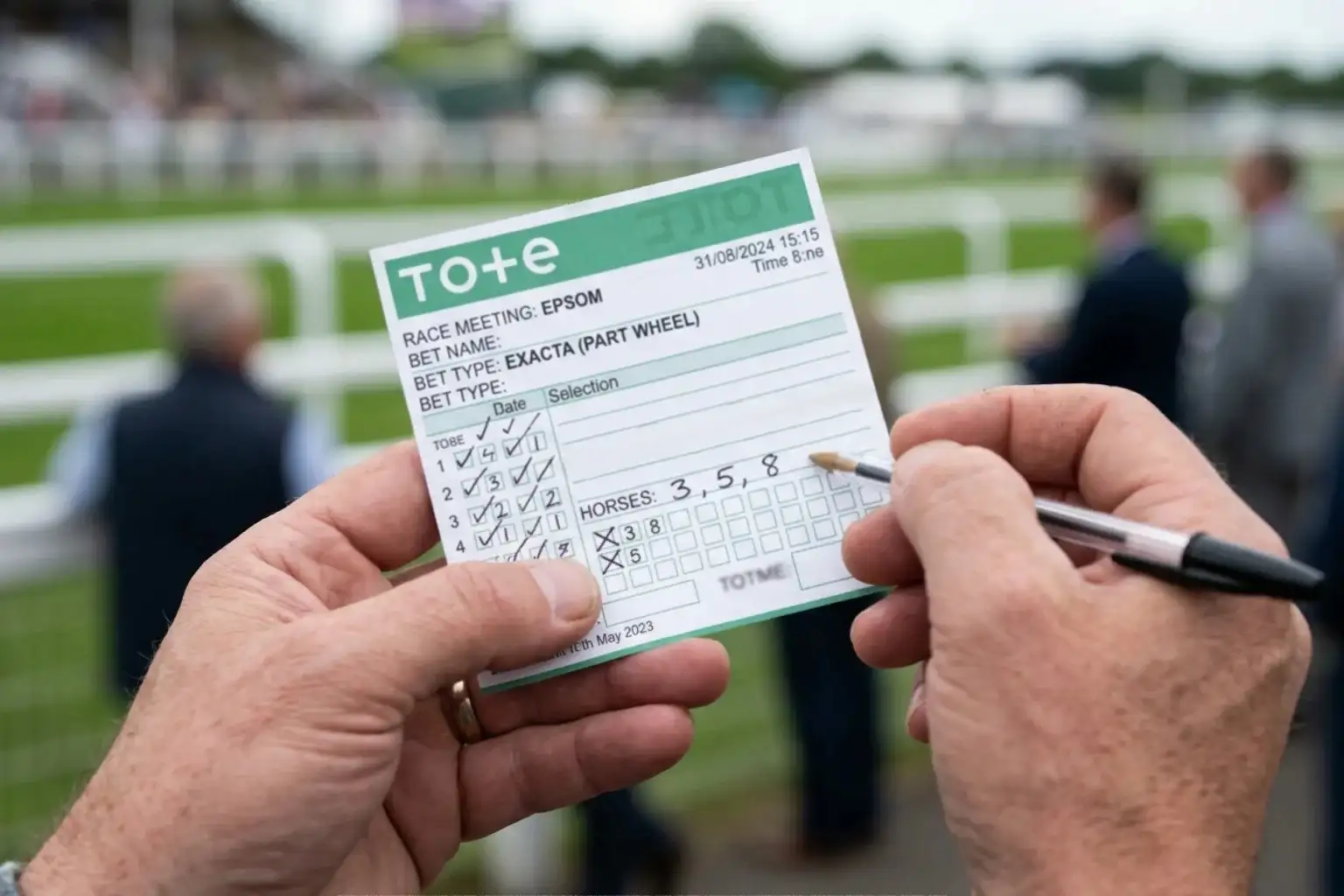
The moment I discovered part wheels, my exacta betting changed permanently. I had been boxing four or five horses at a time, paying for every permutation, and wondering why my returns were being eaten by the cost of combinations I never really believed in. A part wheel let me cut the fat – covering the outcomes I genuinely fancied while dropping the ones I included out of laziness rather than conviction. The savings were immediate, and the discipline it forced on my selection process was the real bonus. Visit horse racing exacta bet for exacta structure guides.
A part wheel exacta lets you select different groups of horses for first and second place. Unlike a full box, where every horse can finish in either position, a part wheel separates your runners into distinct pools – one set of candidates for the win, a different set for the runner-up. The result is fewer combinations, lower cost, and a bet structure that mirrors your actual view of the race rather than a blanket coverage approach.
Full Wheel vs Part Wheel
To understand why the part wheel matters, you need to see what the full wheel does and where it wastes money.
A full wheel takes one horse and pairs it with every other runner in the race for the opposite position. If you wheel Runner A with all in a 12-runner race, you get 11 combinations (A first, each of the other 11 second) or 22 combinations if you wheel in both directions. A full wheel is the broadest possible coverage from a single anchor horse – it guarantees you have the winning combination as long as your wheeled horse finishes first (or in the places if wheeled both ways).
The problem with full wheels is cost and dilution. In a 12-runner race at £1 per combination, a one-directional full wheel costs £11. Many of those 11 combinations are implausible – you are paying for Runner A to finish first with the tail-ender of the field in second, or with a horse that has no realistic chance of being competitive. The Tote deducts 25% from the Exacta pool, and those wasted combinations effectively donate your stake to the winning ticket holders without giving you a realistic shot at collecting.
A part wheel solves this by letting you choose which runners appear in each position. You might put Runners A and B in first, and Runners C, D, E, and F in second. That gives you eight combinations (2 x 4) instead of the full wheel’s 22 for a two-horse anchor set. You are covering the outcomes you believe in while ignoring the rest. The cost drops from £22 to £8 at the same unit stake, and your strike rate on the combinations you do hold is higher because every one of them represents a genuine assessment.
Cost Formula
The part wheel cost calculation is multiplication, not permutation. Take the number of horses in your “first” group, multiply by the number in your “second” group, and multiply by your unit stake. That is the total cost.
Group A (to finish first): 3 horses. Group B (to finish second): 5 horses. Combinations: 3 x 5 = 15. At £1 per combination: £15. At 10p per combination: £1.50. No horse can appear in both Group A and Group B within the same part wheel – if you want a horse to be eligible for both positions, you need to include it in both groups, but each unique combination it generates is counted separately.
Some punters run a “reverse part wheel” alongside their primary one. Primary: A, B, C in first with D, E, F, G in second (12 combinations). Reverse: D, E, F, G in first with A, B, C in second (12 more combinations). Total: 24 combinations. This covers every possible pairing between the two groups in both directions, which is equivalent to boxing all seven horses but excluding the within-group combinations (D-E, D-F, D-G, E-F, E-G, F-G and A-B, A-C, B-C). A full seven-horse box would be 42 combinations, so the dual part wheel saves you 18 combinations – a 43% cost reduction while still covering every cross-group outcome.
The formula flexibility is the part wheel’s greatest strength. You can weight your coverage by conviction: if you strongly fancy two horses for the win, put two in Group A and spread wider for second. If the runner-up spot is more predictable, do the reverse – wider Group A, narrower Group B. The cost adjusts proportionally, and every pound goes toward a combination you have reason to back.
Wheel vs Key
People often confuse the part wheel with the banker key, and the difference matters for both cost and coverage.
A banker key fixes one horse in one position and pairs it with multiple runners for the other position. It is a specific case of the part wheel where Group A (or Group B) contains exactly one horse. A part wheel generalises the concept by allowing multiple horses in both groups.
The practical difference: a banker key is a high-conviction bet on one horse winning (or finishing second). A part wheel is a moderate-conviction bet on two or more groups of horses, acknowledging that you have views on the race structure but not a single standout selection. I use banker keys when I have one horse I am very confident about and part wheels when I can narrow the field but not pin it to a single runner in either position.
Cost-wise, a two-horse key in first with four runners for second gives eight combinations. A two-horse Group A with four in Group B also gives eight combinations. They are structurally identical. The distinction becomes meaningful when Group A grows beyond two or three – at that point, you are running a true part wheel rather than a multi-horse key, and the combination count reflects a broader view of the race. For a detailed breakdown of the keyed approach specifically, the banker exacta guide covers when and how to anchor your exacta on a single selection.
Scenarios
Let me walk through three race scenarios where the part wheel earns its keep.
Scenario one: a ten-runner Flat handicap. You have three horses you rate for the win – a lightly-raced improver, a course specialist, and a horse dropping in class. For second, you think the race is open among five others who are competitive but unlikely to win. Part wheel: 3 in first x 5 in second = 15 combinations. At 20p per line: £3.00 total. A five-horse box on the same group (including your three winners and two of the five) would cost £4.00 for 20 combinations, but would include within-group pairings you do not believe in.
Scenario two: a six-runner conditions stakes. You are fairly sure the favourite will win – favourites in UK racing win roughly 30-35% of all races, and in conditions events that rate climbs higher. But you are uncertain about second. Part wheel: 1 in first x 5 in second = 5 combinations. This is functionally a banker key, and it costs £5 at £1 units. The part wheel framework just happens to produce the same result as the key when Group A has one member.
Scenario three: a 16-runner Premier Flat handicap – fields at these fixtures averaged 11.02 in 2025, but heritage handicaps routinely exceed that. You cannot narrow the winner below four contenders, and the runner-up spot is wide open among six others. Part wheel: 4 x 6 = 24 combinations. At 10p per line: £2.40. A full box on ten horses would be 90 combinations at £9.00 – nearly four times the cost for coverage that includes dozens of combinations you would never voluntarily back. The part wheel spends your money only where your analysis directs it.
Each scenario demonstrates the same principle: the part wheel is a precision instrument. It does not replace judgement – it translates judgement into a cost-efficient bet structure that rewards your specific view of the race rather than defaulting to blanket coverage. Combine partial wheels with a banker exacta to focus your stake.
What is the difference between a full wheel and a part wheel exacta?
A full wheel pairs one horse with every other runner in the race for the opposite finishing position, covering all possible outcomes involving that anchor horse. A part wheel lets you select specific groups of horses for first and second place, covering only the cross-group combinations you choose. The part wheel costs less because it eliminates implausible combinations that the full wheel includes automatically.
How do I calculate the cost of a part wheel exacta?
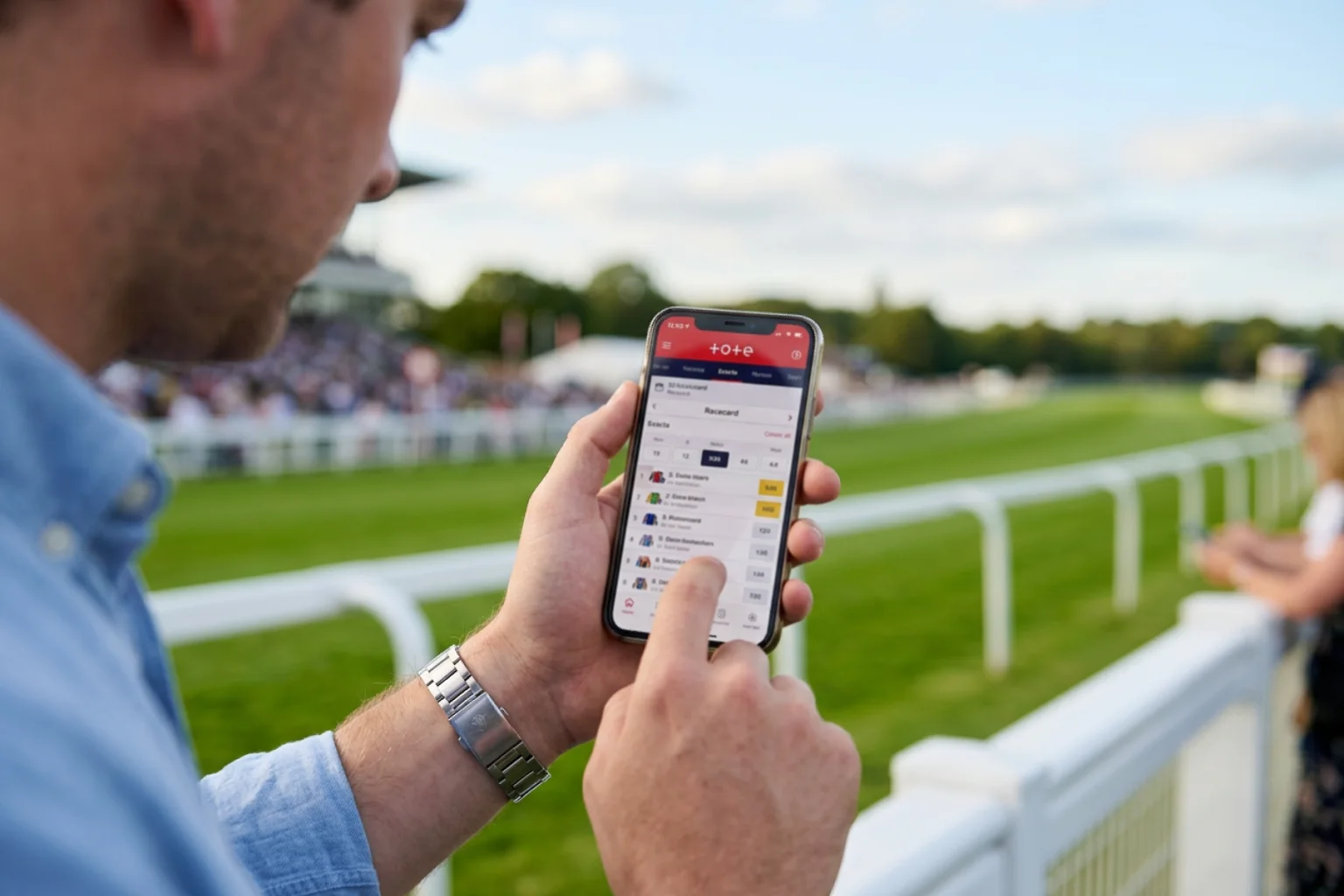
Multiply the number of horses in your first-place group by the number in your second-place group, then multiply by your unit stake. For example, three horses in first paired with four in second gives twelve combinations. At one pound per combination, the total cost is twelve pounds. At 10p per combination through the Tote online, the cost is one pound twenty.
Created by the ”Horse Racing Exacta bet” editorial team.