Exacta Bet on the Grand National: Big Fields, Bigger Dividends
 Available in US
Table of Contents
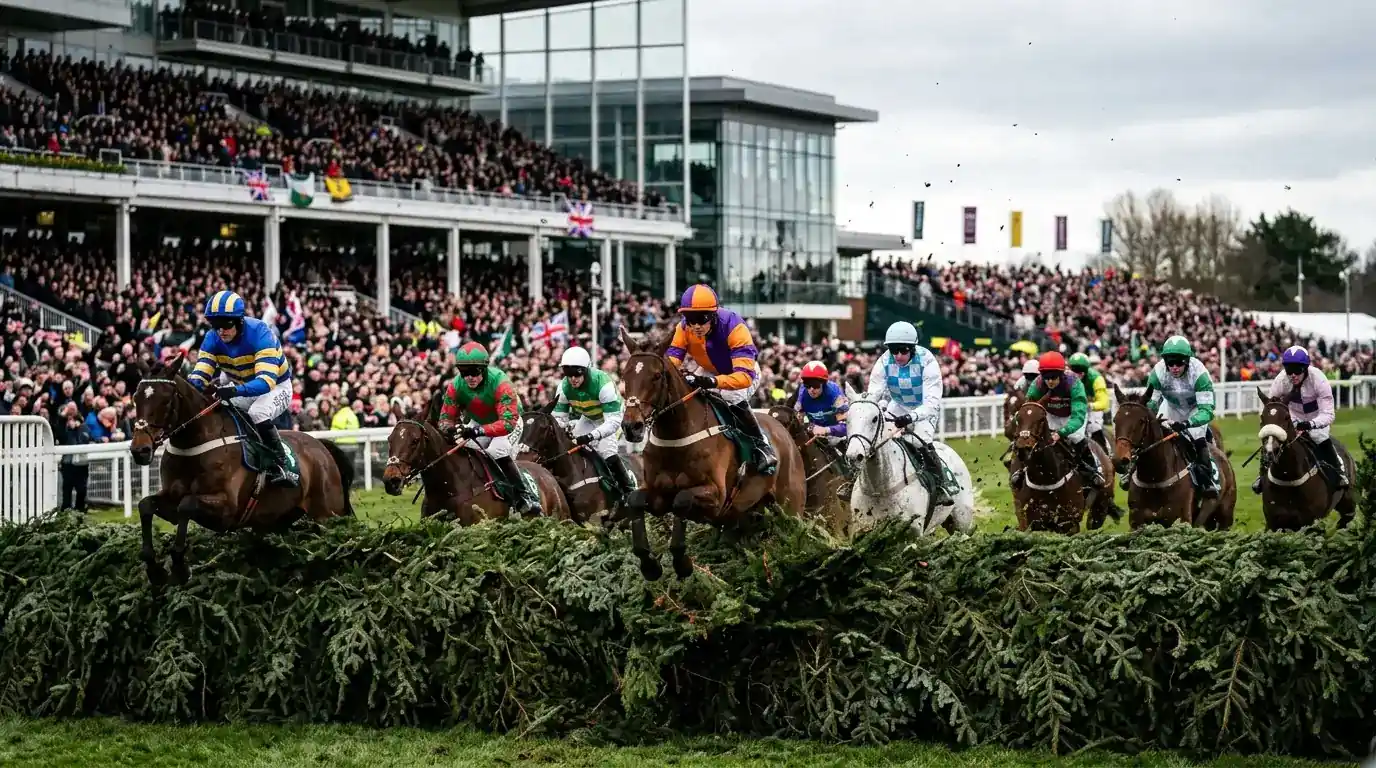
Forty runners. One fence-filled circuit of Aintree. And 1,560 possible exacta combinations. The Grand National is the single most complex race for forecast betting on the UK calendar, and that complexity is exactly what makes it one of the most rewarding. I have placed exacta bets on every National for the past six years, and the dividends – even on years when the favourite runs into a place – consistently exceed anything I see at other meetings. The sheer scale of the field creates value that no other race can replicate. Visit horse racing exacta bet for festival exacta guides.
This is not a race where conventional exacta approaches apply cleanly. The field is too large to box effectively, the attrition rate is too high to rely on pre-race form alone, and the pool dynamics are distorted by the flood of once-a-year bettors backing names they recognise from newspaper tips. All of that creates opportunity for anyone willing to structure their exacta intelligently rather than throwing darts at a massive field.
Field Size Impact
The first thing to understand about the Grand National exacta is just how far the field size pushes the maths beyond any other UK race.
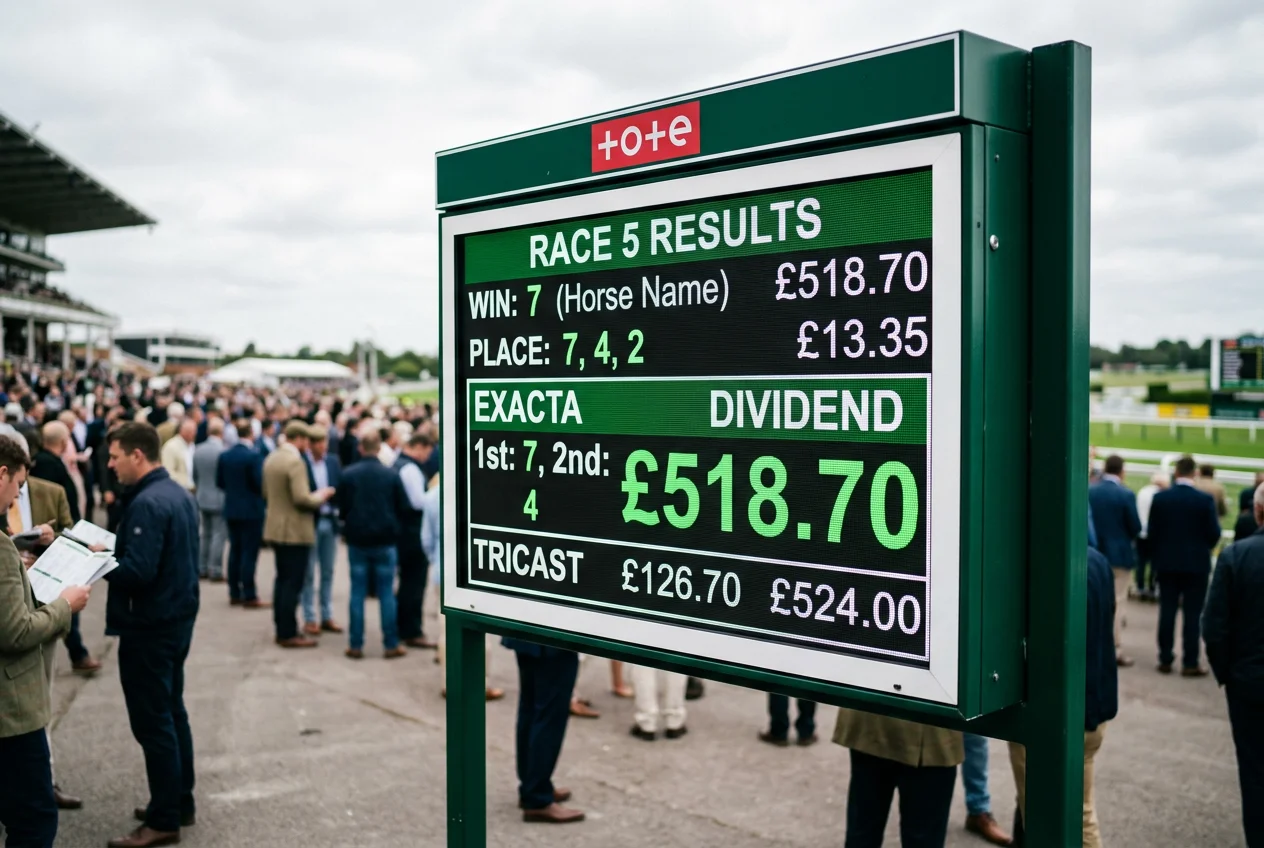
Average field sizes in UK Flat racing during 2025 were 8.90 runners. In Jumps racing, the average sat at 7.84. Premier Flat fixtures reached 11.02. The Grand National, with its maximum of 40 runners, operates in a different dimension entirely. In an eight-runner race, there are 56 exacta combinations. In a twelve-runner race, 132. In a 40-runner National: 1,560. That is the number of possible first-and-second finishing orders the pool money must cover.
The mathematical consequence is that pool money is spread extraordinarily thin. Even in a deep pool – and the National generates one of the biggest Tote Exacta pools of the year – each individual combination receives a relatively small fraction of the total. When the result involves two horses that few people backed in combination, the dividend can be enormous. I have tracked National exacta dividends ranging from £85 (when two shorter-priced runners filled the places) to well over a thousand pounds on years when the finishing order featured longer-priced runners.
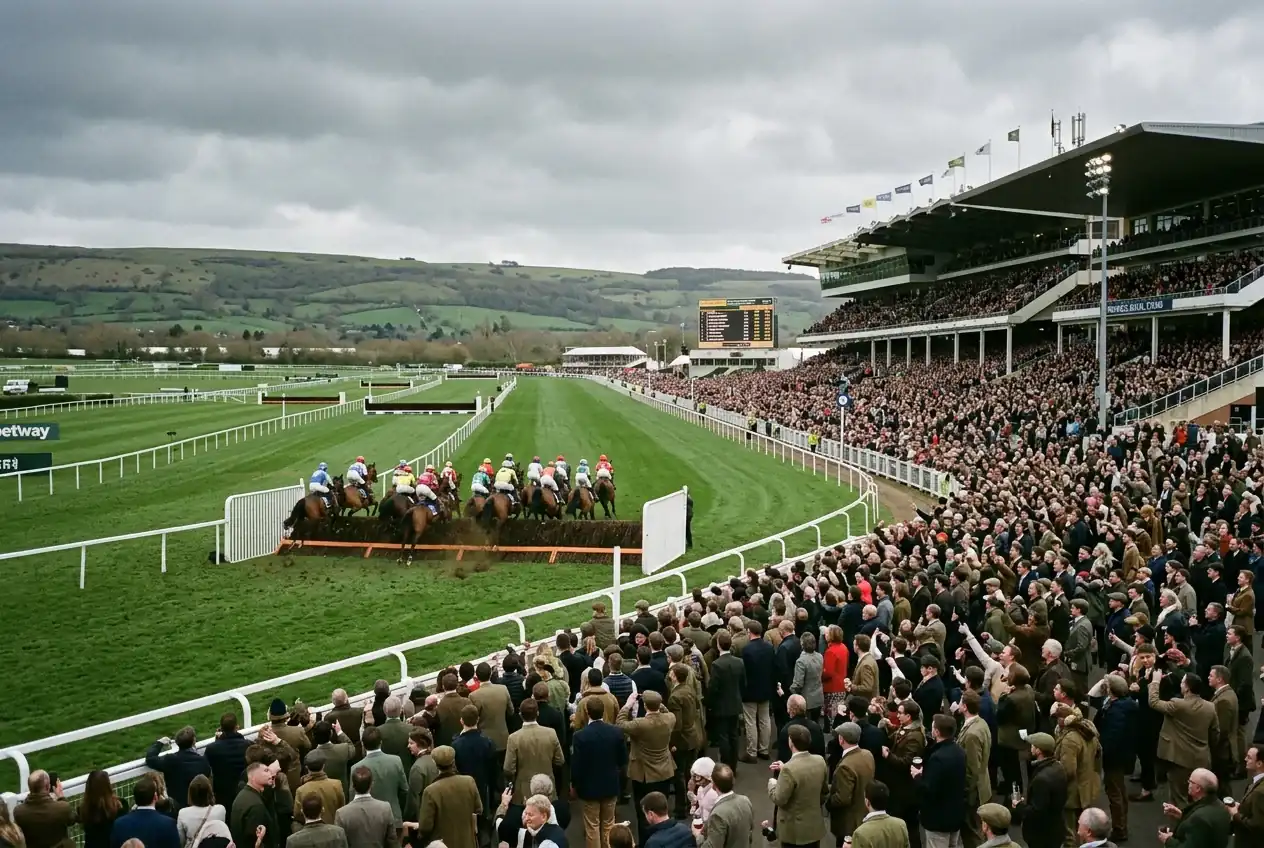
The number of finishers also matters. Not all 40 runners complete the course. Falls, unseated riders, pulled-up horses, and refusals reduce the effective field, but the pool has already been structured around the full starting lineup. If half the field fails to complete, the surviving runners divide a pool that was priced for 40 contenders. This attrition effect is unique to the National and systematically boosts exacta dividends relative to what the individual prices of the first two finishers would suggest.
Structuring Your Bet
Boxing 40 horses is obviously not an option – that is 1,560 combinations, and even at 10p per line you are spending £156 with no guarantee the dividend will justify the outlay. The National demands a structured approach, and over the years I have settled on a method that balances coverage with cost.
The first step is elimination. In a 40-runner race, at least 15 to 20 runners have no realistic chance of finishing in the first two based on form, weight, and jumping record. Removing those from consideration narrows the effective field to 20-25 contenders. That is still a large group, but it is manageable with the right structure.
I use a two-tier keyed approach. Tier one: two or three horses I consider most likely to win, keyed in first position. Tier two: six to ten horses I consider capable of finishing second. This gives me 12 to 30 combinations, costing £1.20 to £3.00 at 10p per line or £12 to £30 at £1 per line. The cost is controlled, and the coverage targets the most plausible exacta outcomes within my shortlist.
The alternative is a partial box on a smaller selection – perhaps six horses you rate highest – generating 30 combinations. This costs more than the keyed approach but removes the need to predict the winner specifically, which is particularly valuable in a race with the National’s attrition rate. If your best-rated horse falls at the Canal Turn but your fourth-choice finishes first and your second-choice finishes second, the box catches that outcome. The key does not.
One approach I avoid entirely for the National is the straight exacta on a single combination. The probability of correctly predicting the exact first-and-second in a 40-runner race from a single selection is vanishingly small, and the cost savings from using one combination instead of twenty do not compensate for the near-certain loss of the stake.
National vs Cheltenham
I am often asked whether the Grand National or the Cheltenham Festival is the better meeting for exacta betting. The honest answer is that they serve different purposes and demand different approaches.
Cheltenham spreads 28 races across four days, with field sizes ranging from six to 24 runners. You can calibrate your exacta strategy race by race, using bankers in short-field championship events and wider coverage in the big handicaps. The Festival rewards adaptability and allows you to build a portfolio of exacta bets across diverse race conditions.
The Grand National is one race with one massive field. The pool dynamics are extreme, the attrition is unpredictable, and the dividend distribution is heavily skewed toward longer-priced combinations. The exacta value in the National comes from the sheer improbability of predicting the correct order across 40 starters, which is why the dividends are consistently among the largest of the year.
Racecourse attendance data tells part of the story. UK attendance hit 5.031 million in 2025, with the Grand National meeting at Aintree and the Cheltenham Festival accounting for the two largest individual crowd contributions. Both meetings generate deep pools, but the National’s pool is concentrated on one event while Cheltenham’s is distributed across 28 races. Per-race pool depth is often comparable, but the National’s combination count is three to five times larger than even the biggest Cheltenham handicap, meaning the dividend per winning combination scales accordingly.
My practical advice: treat the Grand National exacta as a standalone event within your annual betting calendar. Do not apply your standard Cheltenham handicap approach – the field size, the jumping element, and the public betting patterns are sufficiently different that they require a bespoke strategy. For a detailed look at how to handle Cheltenham specifically, the Cheltenham exacta guide covers race selection and pool dynamics at the Festival.
Budget accordingly. I allocate more per-combination stake to the National than to any other single race, because the dividend potential justifies it, and I treat the bet as a high-variance play within a diversified portfolio of pool wagers across the jump season. The years when it connects more than compensate for the years when it does not. Explore more Aintree options in our exacta betting at Aintree guide.
How many exacta combinations exist in a 40-runner Grand National?
A 40-runner race has 1,560 possible exacta combinations, calculated as 40 multiplied by 39. Each runner can finish first paired with any of the remaining 39 runners in second, and the order matters. This is by far the highest combination count of any UK race and is the primary reason Grand National exacta dividends are consistently among the largest of the year.
Is a boxed or wheeled exacta better for the Grand National?
A wheeled or keyed approach is generally more practical than a full box. Boxing even ten horses generates 90 combinations, which can become expensive. A keyed structure – selecting two or three likely winners and pairing them with a broader set of runners for second – controls costs while targeting the most plausible outcomes. The high attrition rate in the National makes some punters prefer a partial box on a shorter list, accepting the higher cost for bidirectional coverage.
Published by the Horse Racing Exacta bet team.