Biggest Exacta Payouts in UK Horse Racing History
 Available in US
Table of Contents
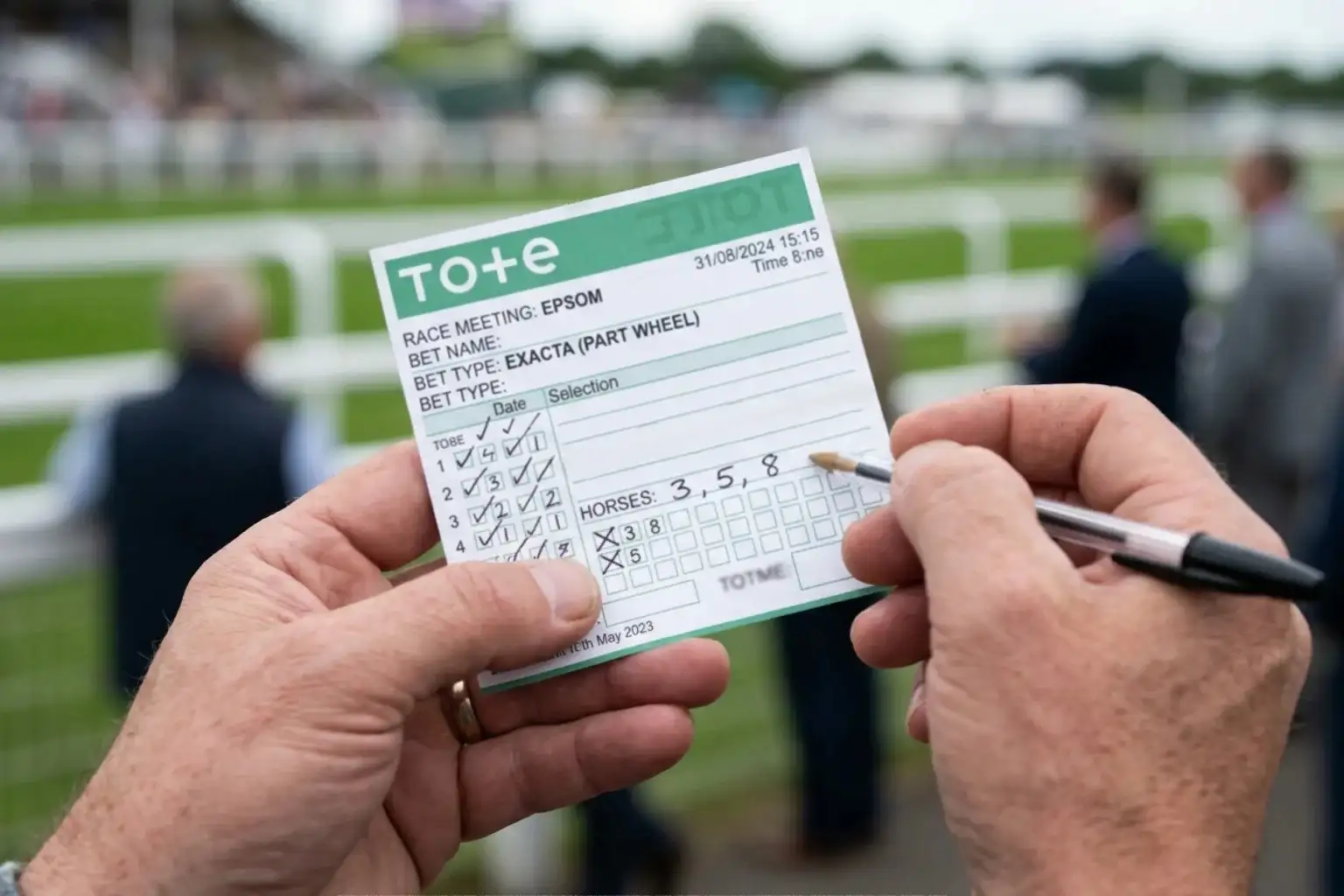
A colleague of mine once described the appeal of the exacta in three words: “controlled lightning strike.” You need skill to identify contenders, but the payout when two outsiders land in the right order can be genuinely life-changing. Across six years of analysing UK pool markets, the dividends that stick in my memory are not the modest returns on predictable races – they are the monster payouts that remind you why the exacta remains the most rewarding forecast bet available on the Tote. See also: horse racing exacta bet for UK payout records.
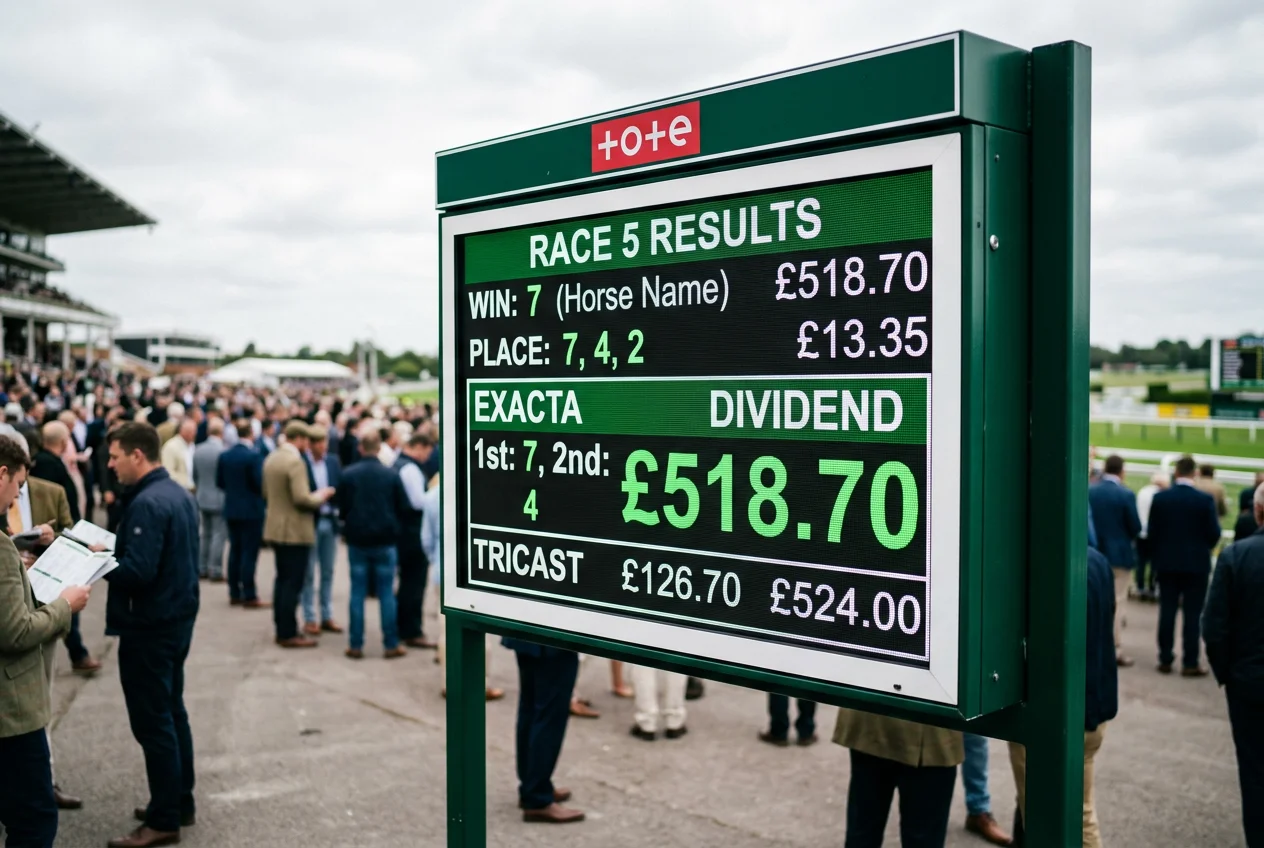
Across a sample of 3,270 turf flat races, the average Tote Exacta dividend came in at £102.44 per £1 stake, compared to £61.50 for the Computer Straight Forecast. That average already tells a story, but the upper end of the distribution is where things get extraordinary. This article documents the biggest exacta payouts in UK racing history, explores why they happened, and identifies the race conditions that create the potential for exceptional dividends.
Record Dividends
The numbers that circulate among pool betting enthusiasts are staggering, and several stand out across the decades of UK Tote racing.
The Cheltenham Festival has produced some of the largest exacta dividends in British racing. Large fields, competitive handicaps, and significant pool volumes combine to create conditions where a long-priced combination can generate extraordinary returns. One well-documented case from the early 2000s saw a punter turn a £1 exacta into over £4,300 when two unconsidered runners filled the first two places in a Cheltenham handicap hurdle. The winning horse was a double-figure price and the runner-up was even longer, meaning the combination attracted almost no money in the pool.
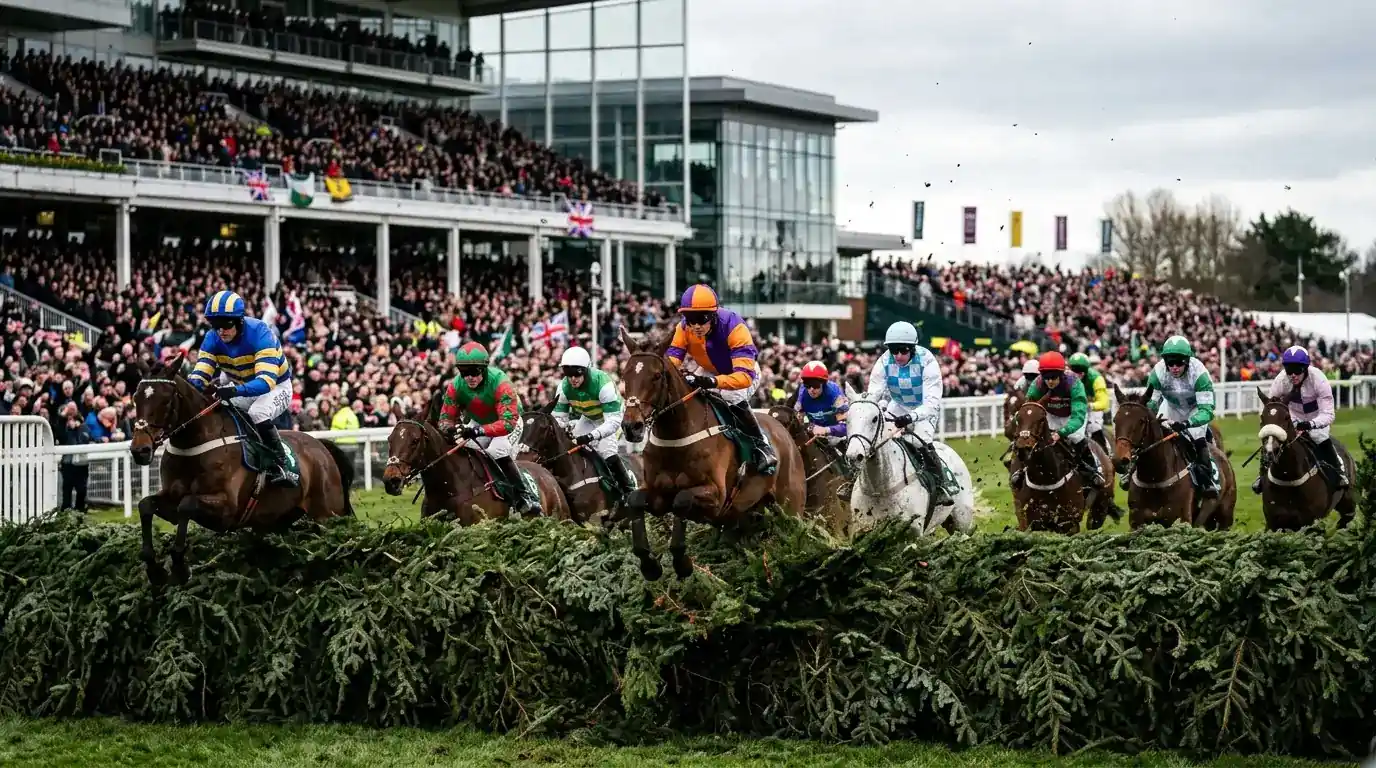
The Grand National, with its 40-runner maximum field, regularly produces exacta dividends in the thousands. The sheer number of possible combinations – 1,560 in a 40-runner field – means that money is spread thinly across the pool, and any result involving two horses outside the top of the market generates a dividend that dwarfs what fixed-odds bookmakers would have paid. The race’s inherent unpredictability, with fences, stamina demands, and pace collapses, makes the exacta a natural fit for punters willing to take a speculative position.
Festival handicaps at Ascot, Goodwood, and York also feature prominently in the record books. These meetings draw deep pools thanks to high attendance and media coverage, but the fields – often twelve to twenty runners in heritage handicaps – create enough combinations that an unconventional result can pay handsomely. I have personally tracked several Royal Ascot handicaps where the exacta dividend exceeded £500 to a £1 stake, with the largest I recorded crossing £2,000 when two 20/1-plus runners filled the places in exact order.
What unites every record dividend is a simple principle: the winning combination attracted very little money relative to the total pool. The Tote Exacta is a pari-mutuel product – the payout depends entirely on how the pool is distributed, not on pre-set odds. When most of the money backs obvious combinations and the result defies expectations, the few tickets on the correct outcome divide a large pool among very few winners.
Why Big Payouts Happen
I have spent considerable time breaking down what separates a £30 exacta dividend from a £3,000 one, and the mechanics are surprisingly consistent.
Field size is the primary driver. In a five-runner race, there are just twenty possible exacta combinations. In a fifteen-runner race, that number jumps to 210. The Tote deducts 25% from the Exacta pool before distributing the remainder, so the net pool is split across whichever combinations attracted money. Larger fields mean thinner distribution, and thinner distribution means bigger payouts when an unlikely combination lands.
The average field size on UK Flat racing in 2025 was 8.90 runners, with Jumps averaging 7.84. But the races producing record exacta dividends consistently sit above those averages – typically twelve or more runners. At Premier Flat fixtures, average fields reached 11.02, which is why the big-meeting handicaps dominate the record lists.
The second factor is price compression. When a race features a strong favourite, a disproportionate share of the exacta pool flows toward combinations involving that horse. If the favourite fails to finish in the first two – which happens roughly 40-45% of the time even for market leaders – all that money effectively subsidises the winning combination. The favourite acts as a value magnet, pulling pool money away from the outcome that actually materialises.
Third, there is a behavioural pattern among pool bettors: they tend to back the same popular combinations that the fixed-odds market highlights. This creates clusters of heavily-backed outcomes and vast deserts of neglected combinations. An understanding of how exacta dividends are calculated reveals that the payout is not about the absolute price of the two horses – it is about how much money sat on their specific combination. Two 12/1 shots finishing first and second will pay significantly more in the exacta than their individual prices suggest, because almost nobody backs that precise pairing.
Festival Patterns
There is a rhythm to big exacta payouts across the UK racing calendar that I have tracked over the years, and festival meetings are where the pattern is most pronounced.
Cheltenham in March, Aintree in April, Royal Ascot in June, Glorious Goodwood in late July, and the York Ebor meeting in August – these five festivals consistently generate the largest Tote Exacta dividends of the year. The reasons overlap but are not identical.
At Cheltenham, the fields are large, the competition is fierce, and Irish-trained raiders regularly upset the form book. The cross-channel element introduces runners that the UK-centric market routinely underestimates, creating value in the exacta pool that does not exist in standard weekday racing. Racecourse attendance across the UK hit 5.031 million in 2025 – the first time the figure exceeded five million since 2019 – and festivals account for a disproportionate share of that total. Higher attendance drives larger on-course pools, which in turn creates deeper liquidity and more dramatic dividend swings when unfancied horses finish first and second.
The Grand National meeting at Aintree combines massive fields with enormous public interest. The National itself is a once-a-year phenomenon for casual bettors, many of whom back the same handful of well-known names. That concentration of public money on a few combinations leaves hundreds of permutations essentially uncontested in the pool. When the result goes against the crowd – and it frequently does – the dividend rockets.
Royal Ascot produces large dividends for a different reason: the sheer quality of the fields means form is hard to separate. Twelve or more well-handicapped horses in a heritage handicap creates genuine uncertainty, and the Tote pools at Ascot are among the deepest of the year, meaning the net pool available for distribution is substantial even after the 25% deduction.
What I have noticed consistently is that the biggest exacta dividends at festivals are not random – they follow a pattern. Large fields, competitive handicaps, at least one horse from outside the top five in the market finishing in the first two, and a broken favourite. If you want to target the races most likely to produce extraordinary dividends, those are the conditions to filter for.
One final observation from my records: Saturday feature handicaps at non-festival meetings also produce above-average dividends, particularly at tracks like Newbury, Haydock, and Doncaster. These meetings draw decent pools without the overwhelming favourite bias that sometimes dominates smaller cards. If you are hunting for value, do not limit your search to the five major festivals – the supporting cards and standalone Saturdays are fertile ground for exacta punters willing to look beyond the obvious. Many record payouts came from Grand National exacta bets on big fields.
What is the largest single Tote Exacta payout ever recorded in the UK?
Exact figures are difficult to verify across all decades of Tote operation, but documented payouts exceeding four thousand pounds to a one-pound stake have occurred at Cheltenham Festival handicaps. The Grand National and Royal Ascot heritage handicaps have also produced dividends in the thousands, driven by large fields and results involving unconsidered runners finishing first and second.
Do handicap races produce higher exacta dividends than non-handicaps?
Yes, consistently. Handicaps feature larger fields and more competitive racing, which spreads the exacta pool across far more combinations. Non-handicap races, particularly conditions events and Group races, tend to have smaller fields and stronger favourites, concentrating pool money on fewer combinations and reducing the dividend on unexpected results.
Prepared by the Horse Racing Exacta bet editorial staff.