Tote Exacta Non-Runner Rules: What Happens When a Horse Is Withdrawn
 Available in US
I had a perfect exacta combination lined up for a seven-runner conditions race at Sandown – my first selection was a horse I had followed for two seasons, and I was confident enough to back a straight exacta at 5 per combination. Thirty minutes before the off, the horse was withdrawn. My 5 was still in the pool, my combination no longer existed, and I realised I had no idea what the Tote’s non-runner policy actually was. That gap in my knowledge cost me time, confusion, and eventually a wasted stake. This guide exists so you do not make the same mistake.
Non-runners are an unavoidable part of horse racing. Horses get injured in the parade ring, go lame at the start, refuse to load, or are withdrawn by connections who decide the ground or conditions are unsuitable. On any given UK race day, withdrawals affect somewhere between 2% and 5% of declared runners. For exacta bettors, the question is not whether you will encounter a non-runner in your combination – it is when, and what happens to your money when it does.
The Core Rule for Tote Exacta Withdrawals
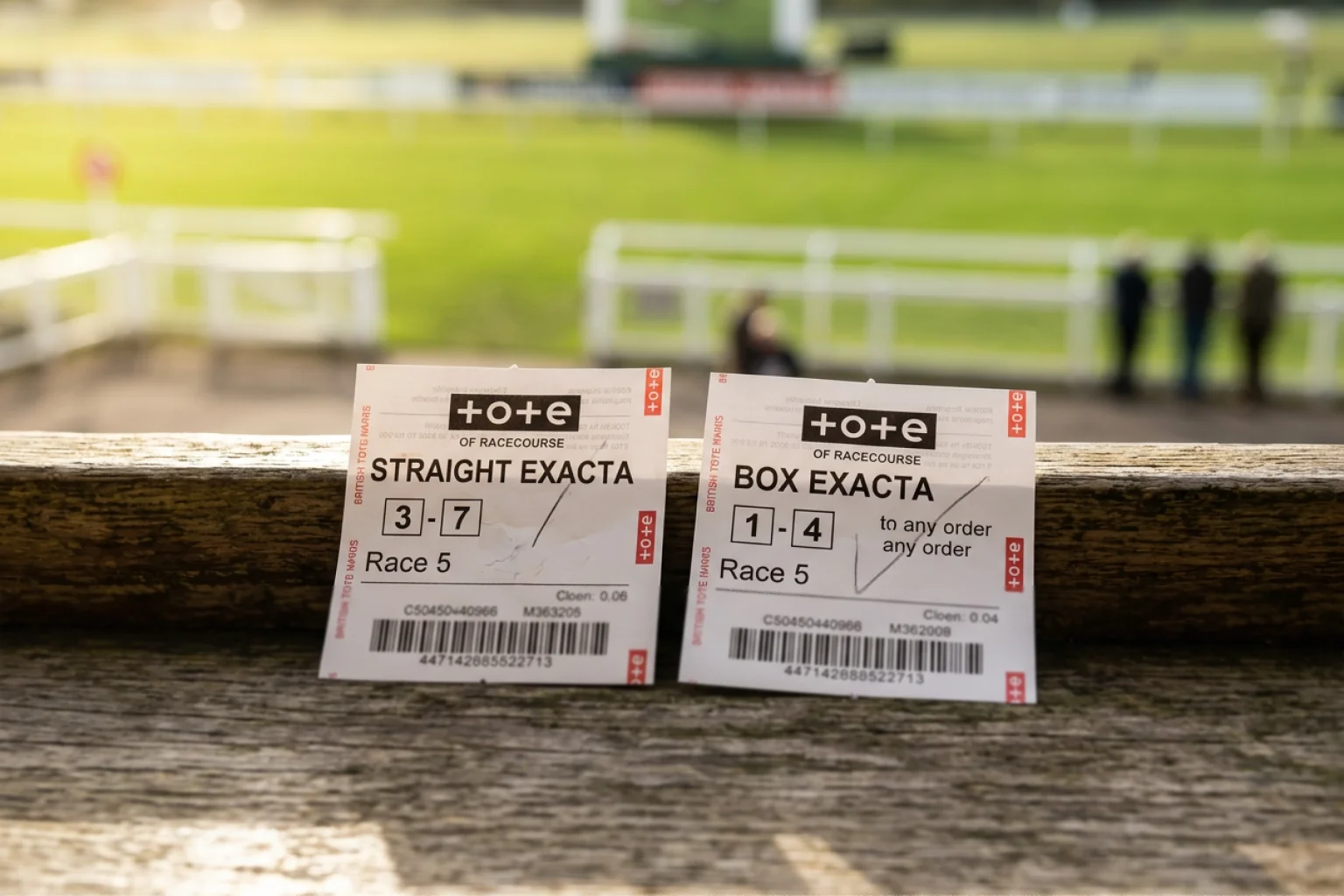
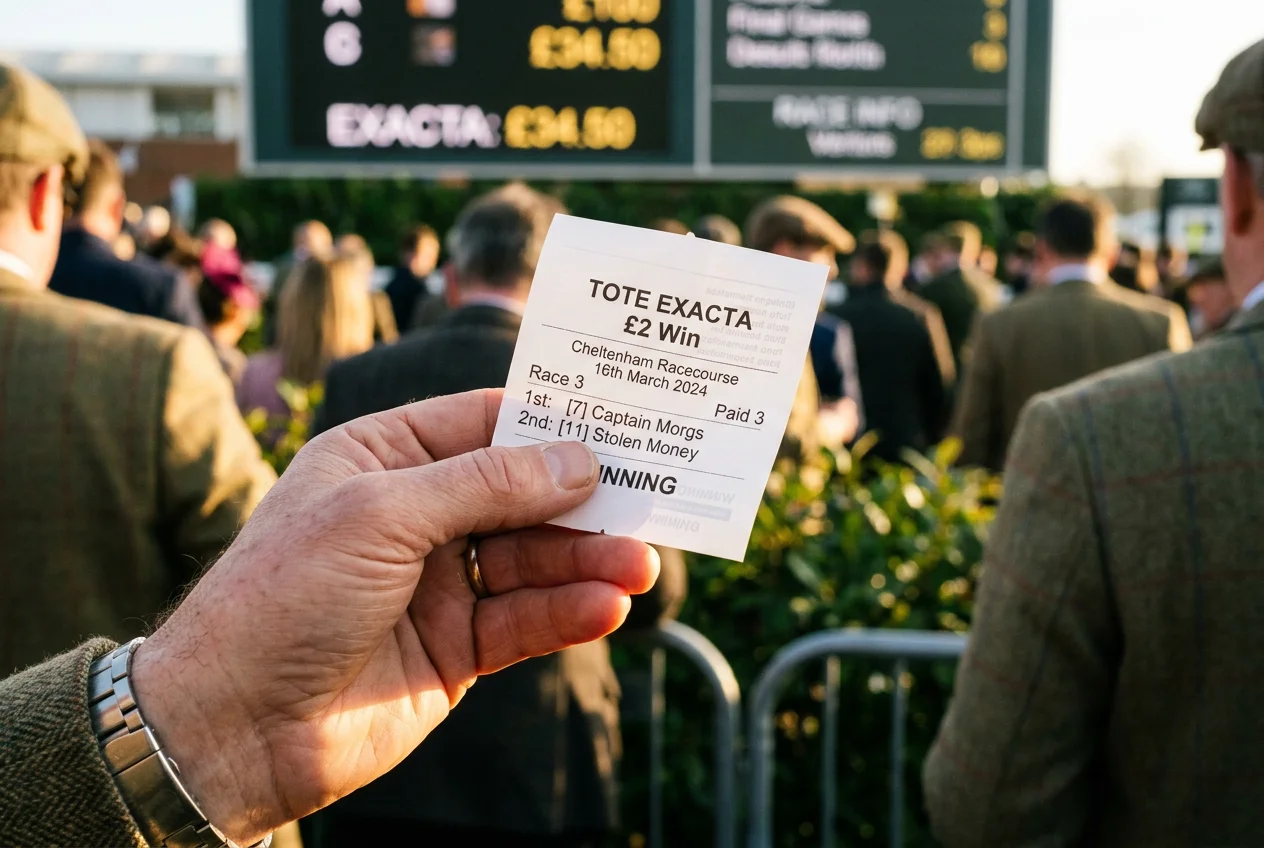
There is one principle that governs all Tote non-runner situations in exacta pools, and it is simpler than most bettors assume. If one or both of your selections are withdrawn before the race, your stake is returned. The Tote treats a bet on a non-runner as void, and the money comes back to you.
This applies regardless of when the withdrawal happens – whether the horse is declared a non-runner the night before, withdrawn at the overnight stage, or pulled out in the minutes before the off. If your combination includes a horse that does not run, the bet is void and your stake is refunded. On the Tote website and app, the refund is typically processed automatically and returned to your account balance. On-course, you can claim the refund at the Tote window or terminal where you placed the bet.
The critical distinction from fixed-odds bookmaker betting is that there are no Rule 4 deductions applied to your voided Tote Exacta. With a bookmaker, if a horse is withdrawn from a win or each-way market, Rule 4 deductions reduce the payout on all remaining bets to account for the removal of a runner. The Tote pool system handles non-runners differently: the voided stake money is simply removed from the pool before the dividend is calculated, so the remaining pool reflects only active bets on runners that actually competed.
How Non-Runners Affect the Pool
When a popular horse is withdrawn from a race, the exacta pool shrinks. All bets involving that horse are voided, and the money is returned to the bettors. The dividend is then calculated from a smaller pool, which can produce counterintuitive results.
Consider a scenario where the favourite is withdrawn from a ten-runner race. The favourite probably appeared in 40-50% of all exacta combinations placed by the public. When those bets are voided, the pool might shrink by 30-40%. The remaining pool is distributed among a smaller set of active combinations, and the dividend for the winning outcome depends on how the surviving money was distributed.
In practice, late withdrawals of fancied horses tend to depress exacta dividends slightly, because the pool shrinks more than the number of plausible outcomes does. The nine remaining runners still produce 72 possible combinations, but the pool backing those combinations is significantly smaller. However, this is not always the case – if the withdrawn horse’s removal makes the race more predictable, the remaining pool may concentrate on fewer combinations, and an upset result can still produce a strong dividend.
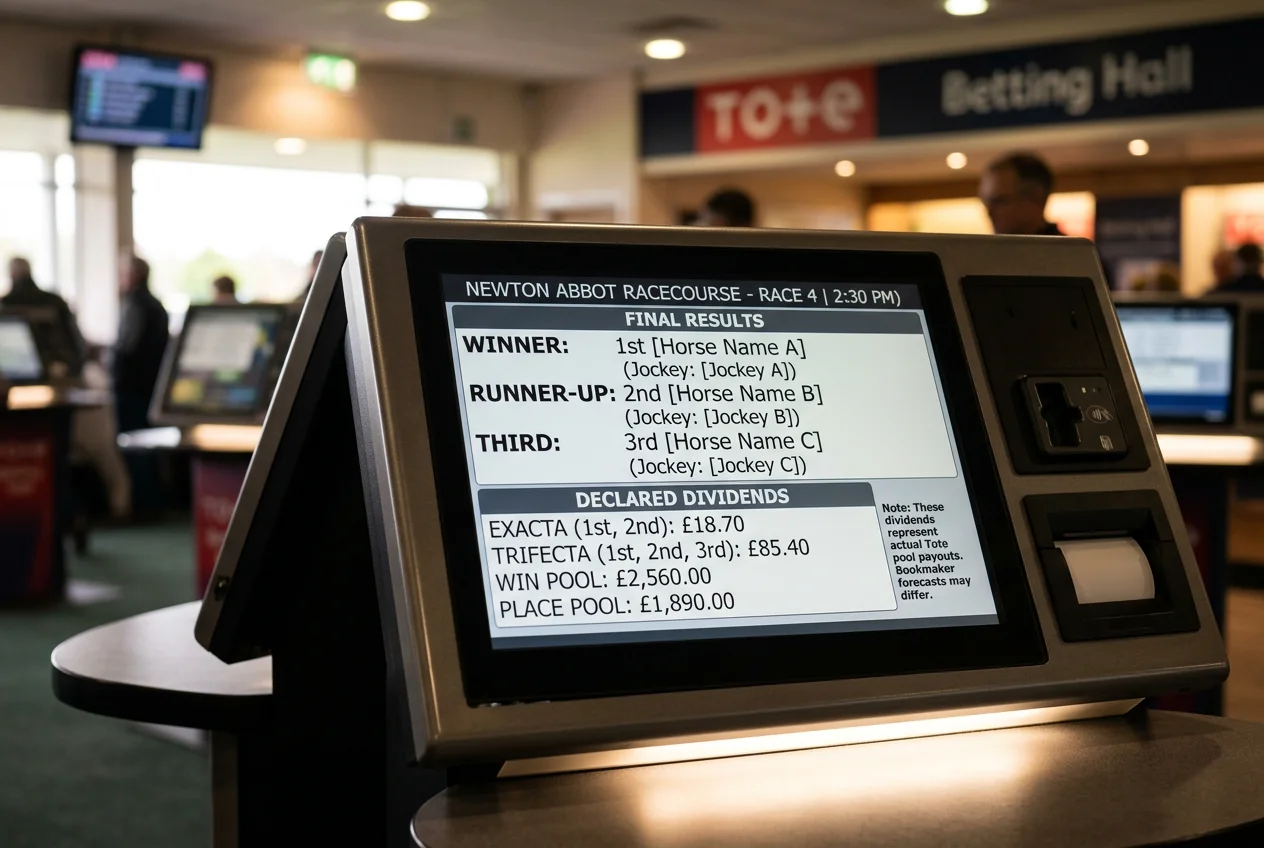
Britbet processed 73.6 million in on-course pool betting turnover in 2024, and a portion of that volume is regularly affected by non-runners. The pool adjustment is automatic and invisible to the bettor – you do not need to do anything. Your voided stake returns, the pool recalculates, and life goes on.
Multiple Non-Runners and Abandoned Pools
When multiple horses are withdrawn from a race, the impact on the exacta pool multiplies. Two withdrawals from an eight-runner race leave six runners and 30 possible combinations, but the pool may have lost 50% or more of its volume if both withdrawn horses were prominent in the betting. The remaining pool can be thin enough that the dividend becomes volatile and unreliable.
In extreme cases, if withdrawals reduce the field below the minimum for a Tote Exacta – typically three or four runners depending on the bet type – the entire pool may be voided and all stakes returned. This is rare but does happen, particularly at jumps meetings where the going can change dramatically and multiple connections withdraw on the morning of the race.
The Tote’s average margin on racing sits at around 6.3%, but that figure assumes normal race conditions with full fields. Races depleted by non-runners can produce distorted pools where the effective margin is higher or lower depending on the specific combination that wins. As an exacta bettor, I treat any race that loses two or more runners after declaration as a cautionary situation – the pool dynamics become less predictable, and the value assessment I made when the full field was declared may no longer hold.
Re-Betting After a Withdrawal
Here is where practical advice matters more than rules. Your stake on a voided combination is returned, but the race still runs. If you still want an exacta on that race, you need to place a new bet with revised selections. The question is whether you should.
If your withdrawn horse was your banker – the anchor of your exacta strategy for that race – the answer is usually no. Your conviction was in that specific horse, and transferring your stake to a different runner is a different bet entirely. The form analysis that led you to the original selection does not automatically transfer to another horse, and placing a replacement bet without conviction is a recipe for undisciplined losses.
If the withdrawn horse was one of several runners in your second-place selections – a wheel or box where the non-runner was one of four or five second-place candidates – the impact is smaller. Your voided combination represented one permutation out of several, and the remaining combinations are still live. You might choose to add a replacement runner for the second position, but the cost is one additional combination, and whether that combination offers value depends on the revised pool dynamics. For a broader look at how to restructure your exacta approach when race conditions change, the pool reading guide covers real-time assessment of pool shape and indicative dividends.
Non-Runners on World Pool Days
World Pool non-runner rules follow the same principle – bets involving withdrawn horses are voided and stakes returned. However, the timing of the announcement can create complexity because the commingled pool spans multiple jurisdictions with different morning declaration times.
Total World Pool turnover reached HK$10.9 billion across 329 races in 2025, and the scale of the operation means non-runner announcements need to propagate across the Hong Kong Jockey Club’s system, the UK Tote, and participating international operators simultaneously. In practice, this works seamlessly for the bettor – you see the non-runner notification on the Tote platform, your voided stake returns, and the World Pool dividend is calculated from the adjusted pool.
The one practical difference on World Pool days is that the pool is so much larger that individual non-runners have a proportionally smaller impact on the overall pool size. A withdrawn favourite that might deplete a domestic UK pool by 35% might only reduce the commingled World Pool by 10-15%, because the international money was not as concentrated on that horse as the UK money. This smoothing effect is another advantage of World Pool liquidity – non-runners disrupt your individual bet but have a muted effect on the pool’s overall health.
Is my Tote Exacta stake refunded if one of my selections is a non-runner?
Yes. If either your first-place or second-place selection is withdrawn from the race, the Tote voids the bet and returns your stake in full. There are no Rule 4 deductions on voided pool bets. Online refunds are processed automatically to your account balance, while on-course refunds can be claimed at the Tote window or terminal.
Should I place a new exacta after my original selection is withdrawn?
Only if you have genuine conviction in a replacement selection based on its own merits. If the withdrawn horse was your banker, transferring your stake to a different runner without fresh analysis is an undisciplined bet. If the non-runner was a secondary selection in a wheel or box, your remaining combinations are still live and you can choose whether to add a replacement runner for the open position.
Written by the editors at Horse Racing Exacta bet.