Late Money in Tote Exacta Pools: Reading the Final Minutes
 Available in US
The most useful five minutes in pool betting are the last five before the off. I have watched exacta indicative dividends shift by 40% in the closing seconds of betting as late money floods the pool, reshaping the payout landscape for every combination. Most punters place their exacta and walk away. The ones who stay, who watch the pool move, who adjust or add coverage based on where the late money flows – those are the ones who consistently extract better value from the Tote.
The Tote Exacta pool is a living market. Unlike a fixed-odds bookmaker bet where your payout is locked at placement, the pool dividend fluctuates continuously until the race starts and the pool closes. Understanding how to read those fluctuations – and when to act on them – is a skill that separates profitable pool bettors from the rest.
Why Late Money Matters More in Pools
In a fixed-odds market, late money affects the starting price but does not change your personal payout. In a pool market, late money changes everyone’s payout. A 500 bet placed in the final minute on a specific exacta combination reduces the dividend for that combination and increases the dividend for every other combination. The pool is zero-sum: money flowing into one outcome flows away from all others.
Across the 3,270 turf flat race sample that underpins much of the UK exacta performance data, the average dividend was 102.44 per 1 unit. But that average disguises substantial variation caused by late pool movements. Races where late money concentrated on the winning combination produced dividends well below the average. Races where late money chased the wrong outcome produced dividends well above it. The late-money pattern is not random – it contains information about how the market assesses each combination, and that information has value.
The practical implication is that the dividend you see when you place your exacta at 2pm may bear little resemblance to the dividend declared after the 2:30 race. If you bet early and the pool moves against you – with late money piling onto your combination – your return is reduced. If the pool moves in your favour – with late money going elsewhere – your return is enhanced. Monitoring the pool in the final minutes tells you which scenario is unfolding.
What Late Money Tells You
I started tracking late pool movements three seasons ago, and certain patterns recur with enough frequency to inform my betting decisions.
When a single combination attracts a disproportionate share of late money, it usually means informed bettors – professional punters, syndicate money, or connections betting on their own horse – have identified that combination as the most likely outcome. The informational value of this signal is genuine: combinations that attract heavy late support win more often than their early indicative dividend would suggest. The catch is that the dividend compresses as the money arrives, so even when the combination wins, the payout reflects the late confidence rather than the earlier, more generous price.
When late money spreads evenly across multiple combinations, it usually means the market is uncertain. No single outcome is attracting concentrated informed support, and the pool is being topped up by casual bettors placing last-minute bets without strong views. These races tend to produce volatile dividends – the winner is not the one the market converges on, and the combination that does come in was not heavily backed by anyone.
The most valuable signal is when late money conspicuously avoids a combination that was popular earlier. If the indicative dividend on a specific combination rises sharply in the final minutes, it means money that was supporting that outcome earlier has been displaced by bets on other combinations. This can indicate that informed opinion has shifted against one of the horses in the combination – perhaps paddock observers noticed something, or late market intelligence suggests a horse will not run to its best.
Timing Your Exacta Placement
The question every pool bettor asks is whether to bet early or late. The answer depends on what you are trying to achieve and how much time you can dedicate to monitoring the pool.
Betting early – placing your exacta hours before the race – locks in your stake but exposes you to pool movements you cannot control. Your combination might attract heavy late support and compress your dividend, or it might be ignored and your dividend stays generous. You have no control over the outcome, and no opportunity to adjust.
Betting late – placing your exacta in the final two to five minutes – gives you the maximum information about the pool’s shape before you commit. You can see which combinations are heavily backed, which are under-supported, and whether the indicative dividends on your preferred combinations justify the stake. The risk is that the Tote’s systems can slow down in the final moments before popular races, and a delayed bet might not process before the pool closes.
My compromise is a two-stage approach. I place the core of my exacta coverage 10-15 minutes before the race, when the pool has developed enough shape to be meaningful but there is still time to adjust. Then I watch the final five minutes, and if I see a combination I rate as undervalued by the pool – a dividend that is higher than my form assessment suggests it should be – I add a small supplementary bet at the last minute. This approach captures both the security of early placement and the informational value of late observation.
On-Course vs Online Late Monitoring
Monitoring late pool movements is easier on-course than online, which surprises most modern bettors who assume digital is always superior.
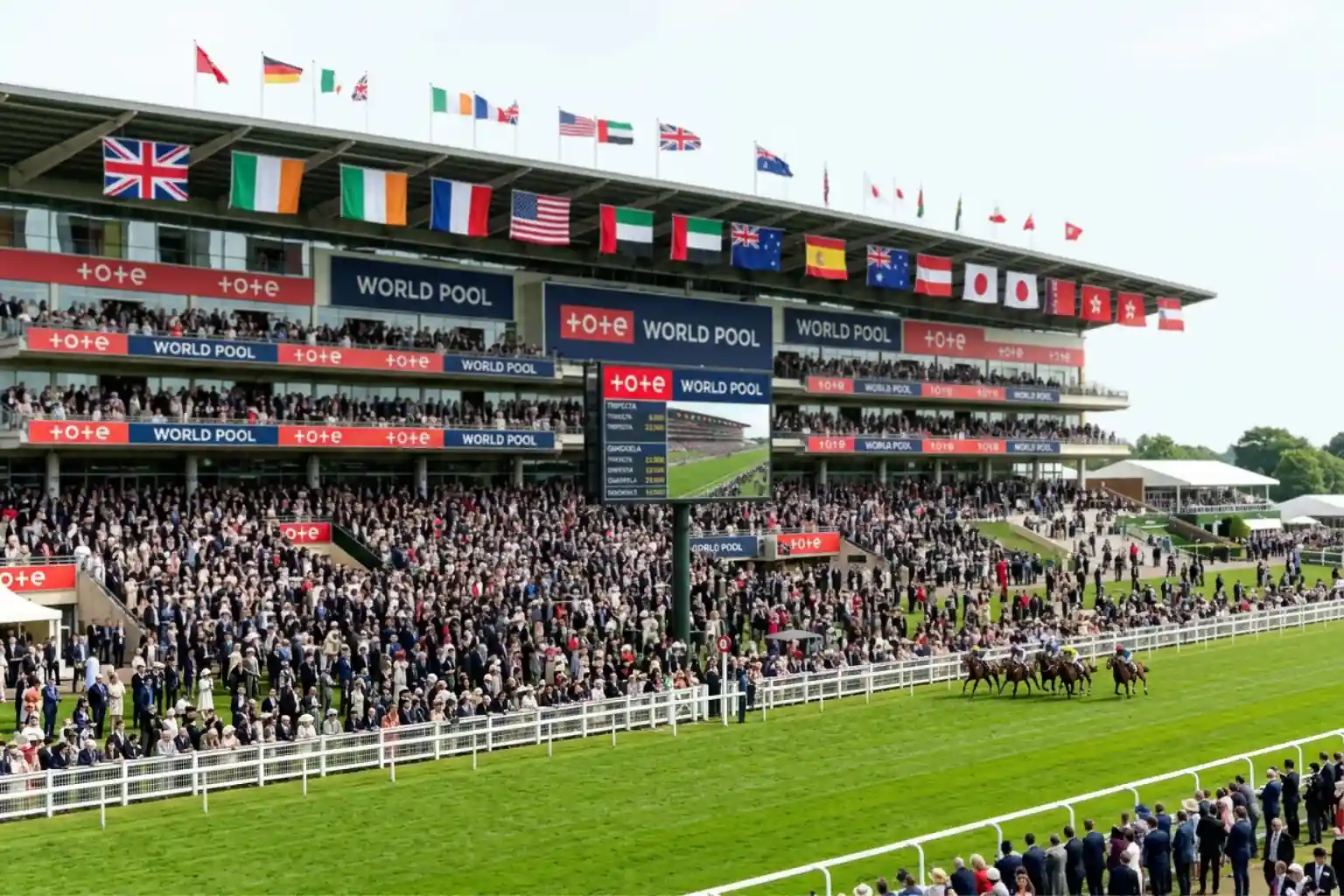
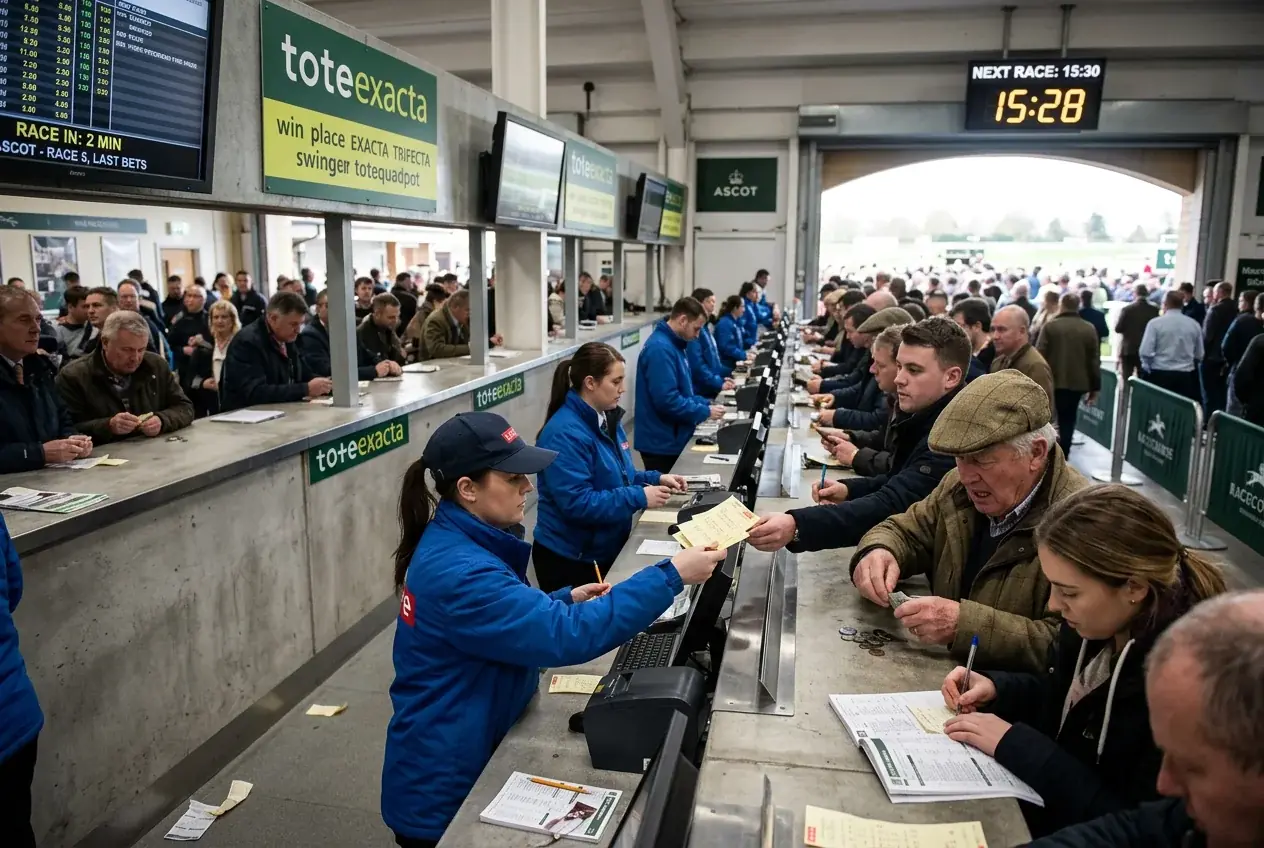
On-course Tote screens display the pool total and indicative dividends for each combination in real time, updated every few seconds. The screens are large, visible from the betting ring, and designed to be read quickly. Britbet processed 73.6 million in on-course pool betting turnover in 2024, and the infrastructure supporting those on-course pools includes dedicated display systems that make pool monitoring straightforward.
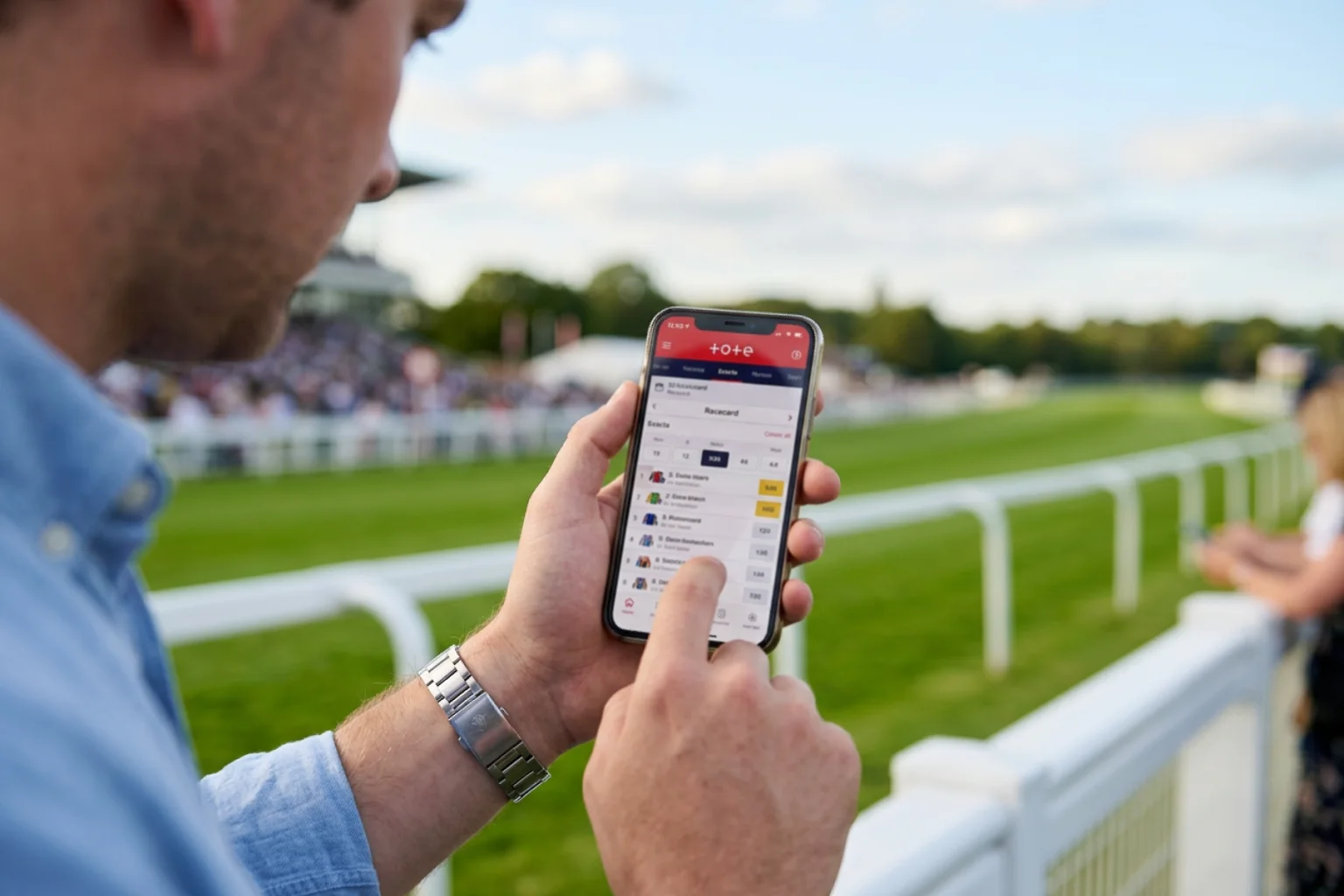
Online, the Tote’s website and app show the same data, but the interface requires active navigation – you need to select the exacta tab, then find the specific combinations you are tracking. On a mobile phone with unreliable racecourse Wi-Fi, this process can be slow and frustrating. I have missed late betting opportunities because the app refreshed slowly at exactly the wrong moment.
The ideal setup, if you are serious about late-money analysis, is to monitor the pool on the on-course screens while placing any supplementary bets through the app. The screens give you the big picture of pool movements; the app lets you act on what you see without queuing at a terminal. This dual-channel approach is how I operate at major meetings, and it consistently produces better-informed exacta placements than either channel alone. For a deeper look at how to interpret pool indicators, the pool reading guide covers the mechanics of indicative dividends and real-time pool analysis.
When Late Money Leads You Astray
Late-money signals are informative but not infallible. I have followed late pool movements that turned out to be one large bet from a single uninformed punter, not a convergence of professional opinion. The pool does not distinguish between smart money and dumb money – a 500 bet from a syndicate with inside knowledge looks identical to a 500 bet from a drunk at the bar backing his lucky number.
The guard against overreacting to late money is context. If the late movement aligns with your form analysis, it confirms your view and may warrant increasing your stake. If it contradicts your form analysis, it should prompt a quick reassessment – is there something you missed, or is the late money wrong? More often than not, sticking with your pre-race analysis and treating the late money as one data point among several produces better long-term results than abandoning your view every time the pool shifts.
Can I see Tote Exacta pool movements before the race?
Yes. The Tote website, app, and on-course screens display indicative dividends and pool totals in real time, updated as money flows into the pool before each race. These figures change continuously until the pool closes at the start of the race, and monitoring them in the final five minutes gives the clearest picture of how the public has distributed its money across combinations.
Should I wait until the last minute to place my Tote Exacta?
Placing your exacta very late gives you the most information about pool shape but risks technical delays that could prevent your bet from processing before the pool closes. A practical compromise is to place your core bet 10-15 minutes before the race and add supplementary bets in the final minutes if the pool movements reveal undervalued combinations.
Published by the Horse Racing Exacta bet team.