Reverse Exacta: When to Back Both Permutations and When to Save Your Stake
 Available in US
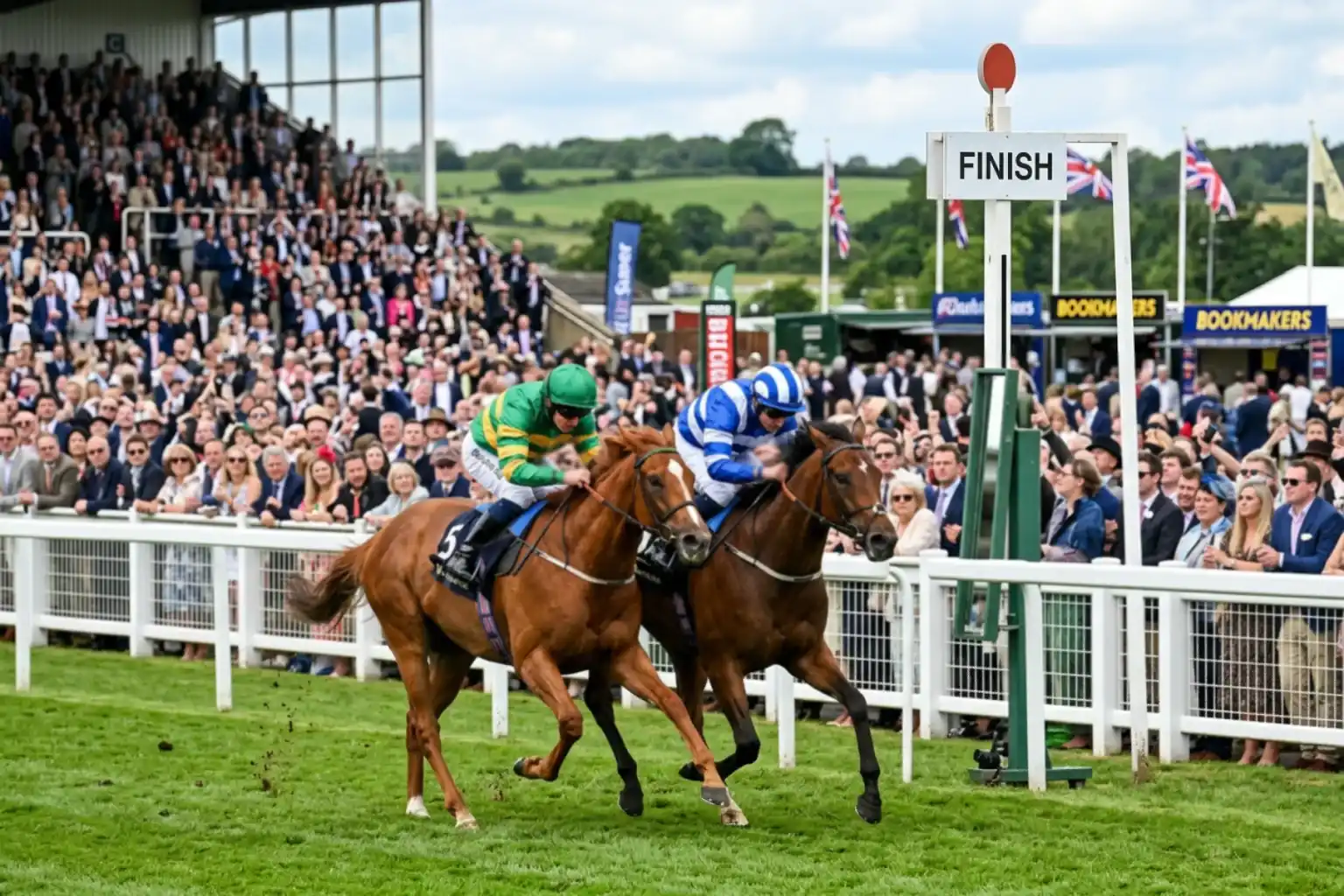
I had two horses I loved in a 10-runner handicap at Doncaster. Both had strong claims on form, both suited the ground, and I could not separate them for first. The straight exacta on Horse A over Horse B was showing an indicative dividend of 34. The reverse – B over A – was showing 67. Same two horses, same bet structure, but the order mattered to the tune of 33. I backed both permutations, spent 2 instead of 1, and when B beat A by a length, collected 67 instead of losing my entire stake on the wrong order. That 1 insurance cost was the best bet I made all month. Explore horse racing exacta bet for permutation strategies.
What a Reverse Exacta Actually Is
A reverse exacta – sometimes called a boxed exacta or an exacta reversal – means backing two horses to finish first and second in either order. You are placing two separate bets: Horse A first and Horse B second, plus Horse B first and Horse A second. The total cost is double the unit stake because you are covering two combinations instead of one.
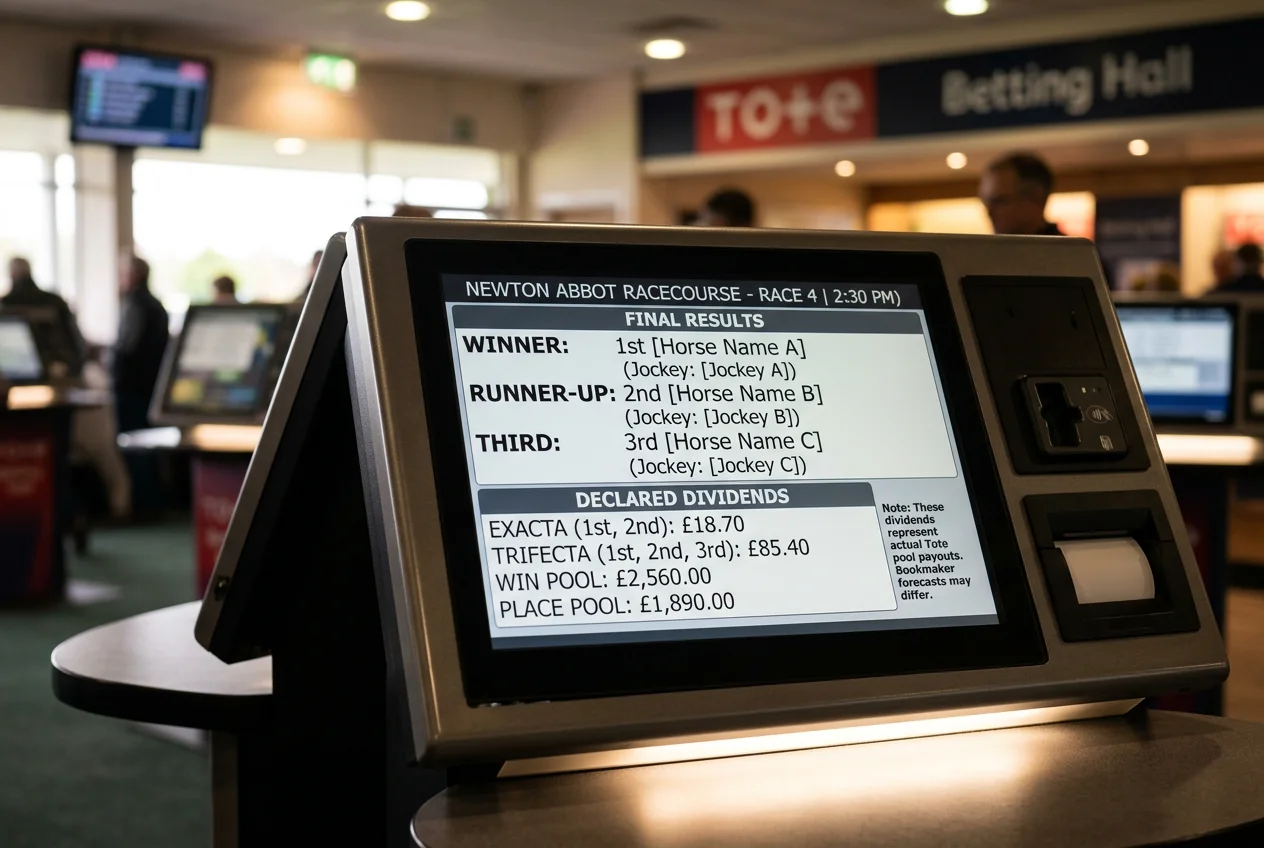
The important distinction is that a reverse exacta is not a quinella. A quinella is a single bet type that pays if your two horses finish in the top two regardless of order, with a single pool and a single dividend. The UK Tote does not offer a standalone quinella product – if you want to cover both orders, you place two separate exacta bets. The dividends for each permutation are calculated independently from the same pool, and they are almost never equal. The combination where the shorter-priced horse wins typically pays less than the reverse, because more money in the pool backs the favoured horse to finish first.
When the Reverse Pays for Itself
The decision to back both permutations is not always correct. Doubling your cost only makes sense when the relationship between the two dividends and the probability of each order justifies the expenditure.
Consider this scenario: you believe Horse A has a 15% chance of beating Horse B into first, and Horse B has a 10% chance of beating Horse A into first. If the A-over-B exacta pays 40 and the B-over-A exacta pays 80, your expected value on the straight A-over-B bet is 6.00 (15% x 40) for a 1 stake. Your expected value on the reverse B-over-A bet is 8.00 (10% x 80) for a 1 stake. Both bets are positive expected value independently, and backing both at a total cost of 2 gives you a combined expected value of 14.00. The reverse is not just insurance – it is a better bet than the straight in this scenario.
The reverse pays for itself most clearly when the two horses are closely matched in ability but the pool heavily favours one order. This happens frequently when one horse is a clear front-runner and the other is a closer. The public backs the front-runner to win and the closer to finish second, because that is the most visually intuitive outcome. But races do not always unfold intuitively – front-runners get caught, closers time their runs perfectly, and the “wrong” order occurs more often than the pool pricing suggests.
When to Save the Stake and Go Straight
Backing both permutations is wasteful when you have a genuine view on the order and the dividend difference between the two permutations is small. If the straight exacta pays 45 and the reverse pays 48, the pool is telling you that neither order is strongly favoured by the betting public. In that scenario, spending 2 to cover both gains you very little – the dividend uplift on the reverse is marginal, and you are better off putting 1 on the order you believe is more likely and keeping the other pound for a different race.
I also skip the reverse when the probability of one order is dramatically higher than the other. If Horse A is a front-runner with a 20% chance of leading all the way, and Horse B is a deep closer who only wins when the pace collapses, the reverse – B first, A second – requires a specific and unlikely race scenario. Backing that reverse is not insurance; it is a separate bet on a different race outcome, and if my analysis says the pace will hold, the reverse has no place in my ticket.
The average Tote Exacta dividend across 3,270 turf flat races sits at 102.44 per 1 unit, but the distribution is heavily skewed. Most exactas pay between 10 and 60, with the average inflated by occasional large dividends. In the 10-60 range, the difference between the two permutations is typically 30-50%, which means the reverse adds meaningful value only if you believe both orders are genuinely competitive. Above 100, the difference between permutations often exceeds 100%, making the reverse potentially lucrative if the less popular order lands.
Reverse Exactas in Different Race Types
Race type shapes the value of backing both permutations because different race structures produce different levels of order uncertainty.
Sprint races – five and six furlongs – are the strongest case for reverse exactas. Sprints are decided by fractions of a second, and the order of the first two finishers is often determined by a nose or a short head. Two horses that finish in the frame in a sprint are genuinely interchangeable in finishing order, and the pool often prices one permutation significantly higher than the other because the public anchors on draw position, recent form, or jockey reputation to determine which will finish first.
Staying races – two miles or more on the Flat, three miles or more over jumps – present the opposite dynamic. The finishing order in a staying race is typically determined by stamina, and the horse with more reserves finishes ahead. The order is less random and more predictable based on form analysis, making the reverse less necessary. If you have done your homework on a staying race and believe Horse A will outstay Horse B, the straight exacta is the correct bet because the race dynamics support a directional view.
Handicaps occupy the middle ground. In large-field handicaps, the first two finishers often emerge from different parts of the field, making the order somewhat random. In small-field handicaps with a strong pace dynamic, the order is more predictable. My rule is that any handicap with 12 or more runners where my two fancies are drawn more than four stalls apart gets the reverse treatment, because the draw introduces enough randomness into the finishing order to justify covering both permutations. For a detailed comparison of straight and boxed approaches across different structures, the straight versus box exacta analysis breaks down the mathematics further. Compare with the exacta vs quinella debate on order-dependent bets.
Is a reverse exacta the same as a quinella?
No. A quinella is a single bet type that pays if your two selections finish in the top two regardless of order, calculated from a dedicated quinella pool. A reverse exacta is two separate exacta bets covering both orders, with each permutation paying a different dividend from the exacta pool. The UK Tote does not offer a standalone quinella, so backing both permutations of an exacta is the closest equivalent.
Does a reverse exacta always cost double?
Yes. A reverse exacta is two separate bets – one for each order – so the total cost is exactly double the unit stake. If your unit stake is 1, the reverse costs 2. If you are using part-wheels or multiple selections, the reverse doubles the total number of combinations and therefore the total cost.
Published by the Horse Racing Exacta bet team.