
Trifecta vs Exacta: When to Add a Third Leg
 Available in US
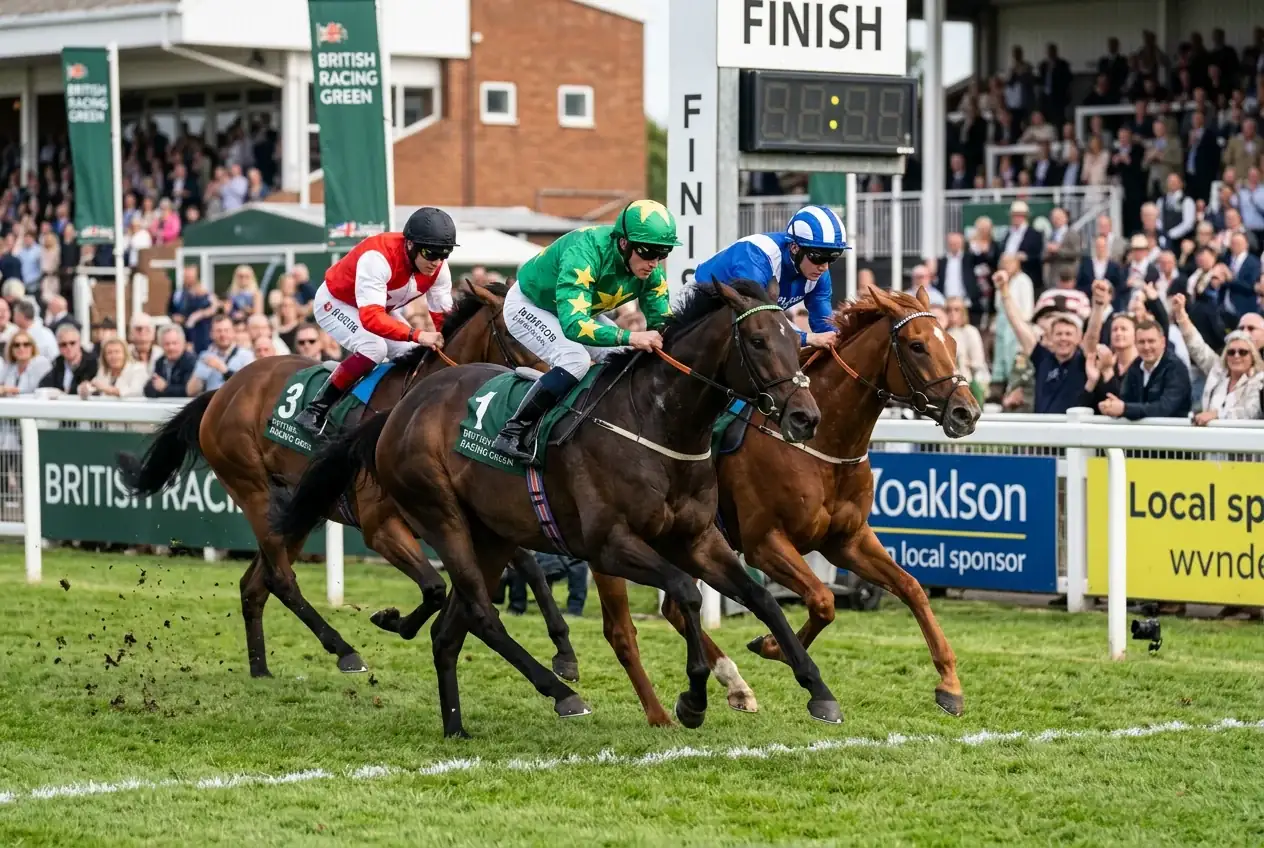
A friend asked me last season why I almost never bet trifectas when the dividends are so much bigger than exactas. My answer was a question: how often do you correctly predict the first three finishers in exact order? He paused. “Never,” he admitted. That is the trifecta’s fundamental problem – the difficulty scaling is exponential while the dividend scaling is not always proportionate, and the cost of covering reasonable combinations escalates beyond what most bankrolls can sustain.
But that does not mean the trifecta is always wrong. There are specific race conditions where adding a third leg to your forecast bet produces better expected value than sticking with the exacta. Knowing when to step up – and when to stay put – is the difference between a calculated expansion of your exotic betting and an expensive ego trip.
The Maths of Adding a Third Position
An exacta requires predicting two positions in order. A trifecta requires three. The combination count difference is substantial: in a 10-runner race, there are 90 exacta combinations and 720 trifecta combinations. That eightfold increase in possible outcomes means the trifecta is eight times harder to hit – and the cost of covering your selections scales accordingly.
Boxing three horses in an exacta costs 6 combinations. Boxing those same three horses in a trifecta costs 6 combinations as well – but the coverage is misleadingly narrow. You need all three to finish in the top three, in some order, which is a far more restrictive condition than needing two of them to finish in the top two. Boxing four horses in a trifecta costs 24 combinations. Boxing five costs 60. At 1 per combination, a five-horse trifecta box costs 60 – and you still need three of your five selections to fill the first three places.
The Tote Exacta deduction is 25% of the pool. The Tote Trifecta deduction is also around 25%, but the pool itself is typically smaller because fewer bettors play trifectas than exactas. Smaller pools mean more volatile dividends and less reliable pricing. The average Tote Exacta dividend across 3,270 turf flat races was 102.44 per 1 unit; trifecta averages are higher but the variance is enormous, ranging from single figures for obvious results to four-figure payouts for upsets.
When the Trifecta Offers Better Value
There is one scenario where I consistently prefer the trifecta over the exacta: large-field handicaps where I have a strong view on the first two but genuine uncertainty about the third position.
In a 16-runner handicap, the exacta pool concentrates on combinations involving the top four or five horses in the market. The trifecta pool concentrates even more heavily on the obvious combinations because casual bettors default to the market leaders for all three positions. When the first two finishers are from the top of the market but the third horse is a 20/1 shot, the trifecta dividend can be dramatically higher than the exacta dividend for the same first-second combination, because the third position was almost entirely ignored by the pool.
Favourites finish in the first three roughly 55-65% of the time, but their presence in the third position specifically is around 20-25%. The betting public overestimates the favourite’s likelihood of filling third place, just as it overestimates the favourite’s win probability. This creates the same favourite-longshot bias in the trifecta pool that exists in the exacta pool, but the effect is amplified because three positions of potential distortion compound the overall pool inefficiency.
When to Stay With the Exacta
Small fields, thin pools, and races where the third-place finish is genuinely random all argue for the exacta over the trifecta.
In a six-runner Group race, there are only 120 trifecta combinations. The pool is typically small – often under 5,000 – and the dividend for obvious combinations is compressed. The extra difficulty of predicting the third finisher is not compensated by a proportionally higher dividend, because the pool does not contain enough money to distribute meaningfully. In these races, the exacta is the better bet: fewer positions to predict, a deeper pool relative to the combination count, and dividends that more reliably reflect the race’s actual competitiveness.
Races with clear speed figures – where the first two finishers are likely to be the best horses on ratings – also favour the exacta. If your form analysis gives you high confidence in the first two positions but no edge in predicting third, the trifecta adds cost without adding value. The exacta captures your conviction; the trifecta dilutes it.
I estimate that across a full Flat season, 80% of my exotic bets are exactas and 20% are trifectas. The trifecta bets are concentrated in specific race types – heritage handicaps with 14-plus runners, festival races with deep pools, and races where I have identified an undervalued runner for third place specifically. Outside those conditions, the exacta’s lower cost and higher strike rate make it the more efficient vehicle.
Combining Exacta and Trifecta on the Same Race
There is a hybrid approach I use on my best races of the week – races where I have done the deepest form analysis and have the most conviction in my selections. I place an exacta as my primary bet and add a smaller trifecta as a supplementary bet, using the same first-two selections with additional runners for third.
The exacta is my bread-and-butter bet: moderate cost, reasonable strike rate, consistent dividends. The trifecta is the bonus – a lower-probability, higher-dividend bet that pays off occasionally and handsomely when it does. The combined cost is manageable because the trifecta stake is typically one-third to one-half of the exacta stake, and the two bets share the same core analysis.
For example, in a 14-runner handicap, I might place a 2 per combination exacta keying two horses for first with four for second (8 combinations, 16 total cost). Then I add a 50p per combination trifecta using the same structure with three additional horses for third (8 x 3 = 24 combinations, 12 total cost). My combined outlay is 28, and if the exacta lands, I collect the exacta dividend. If all three positions fall in my favour, I collect both the exacta and the trifecta, with the trifecta adding a substantial bonus to an already profitable outcome. The dividend mechanics guide covers how pool payouts are calculated for both exacta and trifecta bet types.
The Discipline of Saying No to the Trifecta
The biggest risk with trifecta betting is not losing money on bad bets – it is the cost creep that erodes your bankroll through constant over-coverage. Every additional horse you include in a trifecta multiplies the combination count, and the temptation to add “just one more” for safety is strong. That temptation is the enemy of disciplined staking.
A five-horse trifecta box costs 60 at 1 per combination. The dividend needs to exceed 60 just to break even. In a 10-runner race where the top three finishers are all from the top five in the market, the trifecta dividend might be 45 – a loss. The same race’s exacta dividend on the first two finishers might be 28, and if you had placed a 6 exacta box on three horses, you would have collected 28 on a 6 outlay for a healthy profit.
The trifecta is a powerful tool in the right conditions. In the wrong conditions, it is an expensive habit. The discipline is knowing which is which before you commit your stake, and the key variables are always the same: field size, pool depth, your confidence in the third-place prediction, and whether the maths supports the extra coverage. When in doubt, the exacta is almost always the better bet.
Is the trifecta always a better bet than the exacta because the dividends are higher?
No. Higher potential dividends come with proportionally higher difficulty and cost. The trifecta requires correctly predicting three finishing positions in order, which is exponentially harder than the exacta’s two positions. The cost of covering reasonable combinations escalates quickly, and the trifecta pool is typically smaller and more volatile than the exacta pool. The trifecta is the better bet only when field size, pool depth, and your form analysis all align to justify the additional complexity.
Can I combine an exacta and a trifecta on the same race?
Yes. Many experienced pool bettors place an exacta as their primary bet and add a smaller trifecta using the same first-two selections with additional runners for third. This hybrid approach captures the exacta’s more reliable returns while giving exposure to the trifecta’s higher dividends at a manageable supplementary cost.
Created by the ”Horse Racing Exacta bet” editorial team.