Exacta Pool Size in Horse Racing: Why Liquidity Shapes Your Dividend
 Available in US
Table of Contents
I placed an exacta on a Monday afternoon card at a minor track last year and watched the pool total sit at just over £800 before the off. My combination won, and the dividend was erratic – disproportionately large for what was a relatively predictable result, because one other bettor had lumped heavily on a different combination and skewed the entire pool. That experience reinforced something I had learned the hard way: pool size is not a background detail. It is a fundamental variable that determines whether your exacta dividend reflects the race or reflects one person’s bet. See also: horse racing exacta bet for pool analysis tools.
Britbet processed £73.6 million in on-course pool betting turnover across UK tracks in 2024, but that figure is wildly uneven across meetings. Feature racedays at Ascot, York, and Cheltenham generate pools that dwarf anything produced on a quiet Monday at a minor venue. Understanding how pool size affects your returns is essential for any exacta bettor who wants consistent, reliable dividends rather than volatile lottery-ticket outcomes.
Pool Mechanics and Size
Every pound staked on the Tote Exacta enters a single pool for that race. The Tote deducts 25% as commission – this is the takeout rate – and distributes the remaining 75% among all winning tickets in proportion to the amount wagered on the correct combination. The dividend is expressed as the return per £1 winning unit.
When the pool is large – say £50,000 or more – the net distributable amount after deduction is £37,500. That sum is divided among the winning tickets, and because a large pool typically reflects a large number of bettors, the money is spread across many combinations. The dividend on the winning outcome is smoothed by the volume of diverse bets, each one contributing to a distribution that approximates the collective view of the race.
When the pool is small – under £5,000 – the dynamics shift. A single £200 bet on one combination can represent 4% or more of the total pool. If that heavily-backed combination does not win, the remaining pool is distributed among winning tickets that may represent very little money, producing an outsized dividend. If the heavily-backed combination does win, the dividend is compressed because one large ticket claims a significant share of the net pool.
This volatility in small pools is not inherently good or bad – it depends on whether you benefit from the distortion. But it makes small-pool dividends unreliable as indicators of value. A £300 dividend in a £2,000 pool tells you more about the shape of the money in that pool than about the quality of your prediction. A £300 dividend in a £100,000 pool tells you something genuinely meaningful about how unlikely the result was relative to public expectation.
Volatility Effect
There is a pattern I have tracked across hundreds of races: the coefficient of variation in exacta dividends drops substantially as pool size increases. In practical terms, this means large-pool meetings produce dividends that are more predictable and more closely aligned with the implied probability of each combination.
On small cards with thin pools, I have seen the same type of result – say, a 5/1 winner with a 7/1 second – produce dividends ranging from £35 to £180 depending on how the money was distributed. That six-fold variance makes it nearly impossible to assess whether an exacta strategy is working over a small sample. You could have the best selection method in the country and still show erratic results because the pool distortions mask the underlying quality of your picks.
Across the 3,270 turf flat race sample that informs much of the comparative data on UK exacta performance, the average dividend was £102.44 per £1 stake. But the standard deviation around that average is enormous, and a significant portion of that variance traces back to pool size rather than result unpredictability. When you isolate races with pools above £20,000, the dividend distribution tightens, and the average aligns more closely with what the form and market prices would suggest.
For bettors who want to evaluate their exacta performance honestly – tracking profit, loss, and return on investment over time – large pools provide cleaner data. You can assess whether your selections are generating positive expected value without the noise of one or two thin-pool outliers inflating or deflating your results.
World Pool Liquidity
The most dramatic improvement in pool depth available to UK exacta bettors comes through the World Pool. On designated racedays, the UK Tote pool is commingled with the Hong Kong Jockey Club’s global network, and the liquidity difference is staggering.
Total World Pool turnover reached HK$10.9 billion – approximately £1.2 billion – across 329 races in 2025. Hong Kong’s seasonal commingling turnover alone hit HK$31.76 billion, up 10.1% year on year. When that volume combines with UK pool money, the resulting exacta pools are orders of magnitude deeper than anything the domestic market produces on its own.
The practical effect is twofold. First, the dividends on World Pool races are smoother and more reflective of genuine probability. Individual bets, even large ones, cannot meaningfully distort a pool measured in millions. Second, the deduction rate drops from 25% to 19.5%, meaning more of the pool is returned to bettors. Both factors push in the same direction: World Pool liquidity improves the quality and size of your exacta returns.
I structure my annual exacta betting calendar around pool liquidity. World Pool days get my largest unit stakes and most complex combinations. Premier meeting domestic pools get moderate stakes with targeted structures. Thin midweek pools get minimal involvement – usually a single straight exacta at a low unit, treated more as entertainment than investment. This tiered approach, based purely on pool depth, has been the single most impactful change I have made to my pool betting methodology. For a full breakdown of commingling mechanics and the raceday schedule, the World Pool exacta guide covers the details. Learn to interpret Tote exacta pool signals before the off.
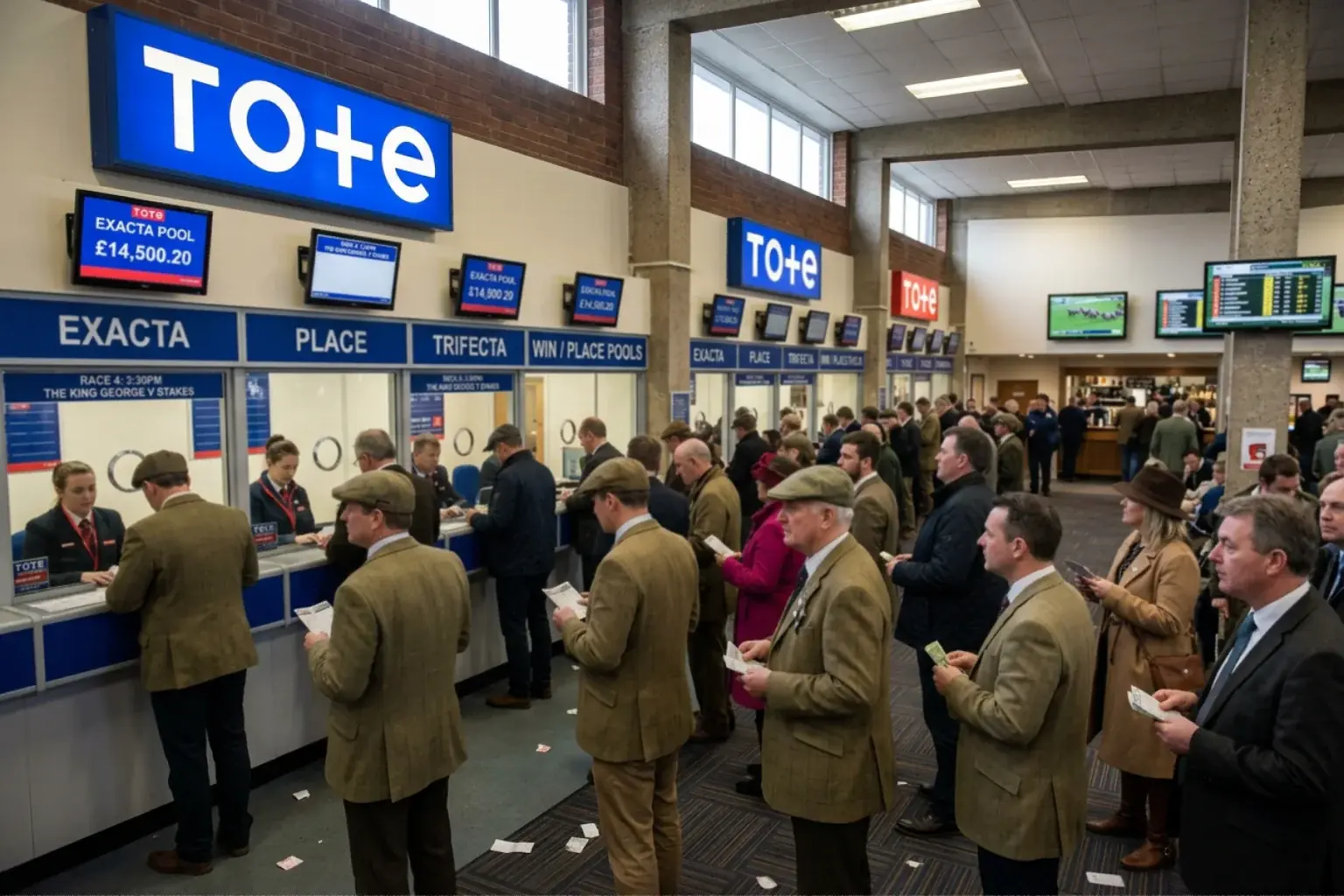
One final observation: pool size information is available before you commit your bet. The Tote website and app display indicative pool totals that update in real time as money flows in. On-course, the Tote screens show the same data. Checking the pool size before placing your exacta takes seconds and gives you a critical piece of context for assessing whether the potential dividend is worth your stake at the available liquidity level. I never place an exacta without glancing at the pool total first – it is the simplest edge check available to any pool bettor.
Does a larger exacta pool always mean a lower dividend?
Not necessarily. A larger pool means more money in the pot, but it also means more money is spread across more combinations. The dividend on a specific winning combination depends on how much money was placed on that combination relative to the total pool. In large pools, predictable results produce lower dividends because popular combinations attract heavy backing. Surprising results in large pools can still produce very substantial dividends because the total pool is so deep.
How can I check the pool size before placing a Tote Exacta?
The Tote website and app display indicative pool totals for each bet type in real time, updated as money flows into the pool before the race. On-course Tote screens also show running pool totals. These figures give you a reliable indication of the pool depth before you commit your stake, allowing you to adjust your unit size or combination structure based on the available liquidity.
Written by the editors at Horse Racing Exacta bet.