Exacta Betting at Newmarket: Guineas and Future Champions
 Available in US
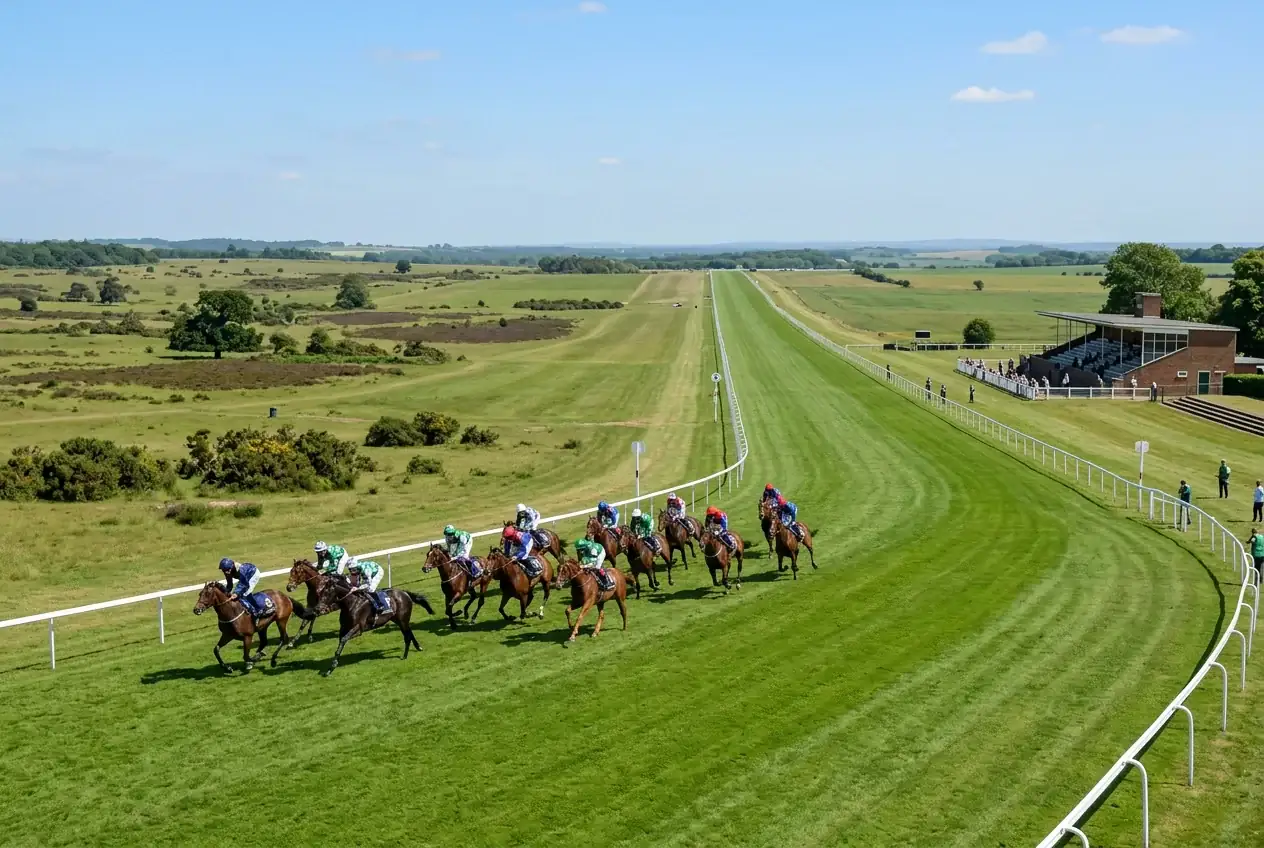
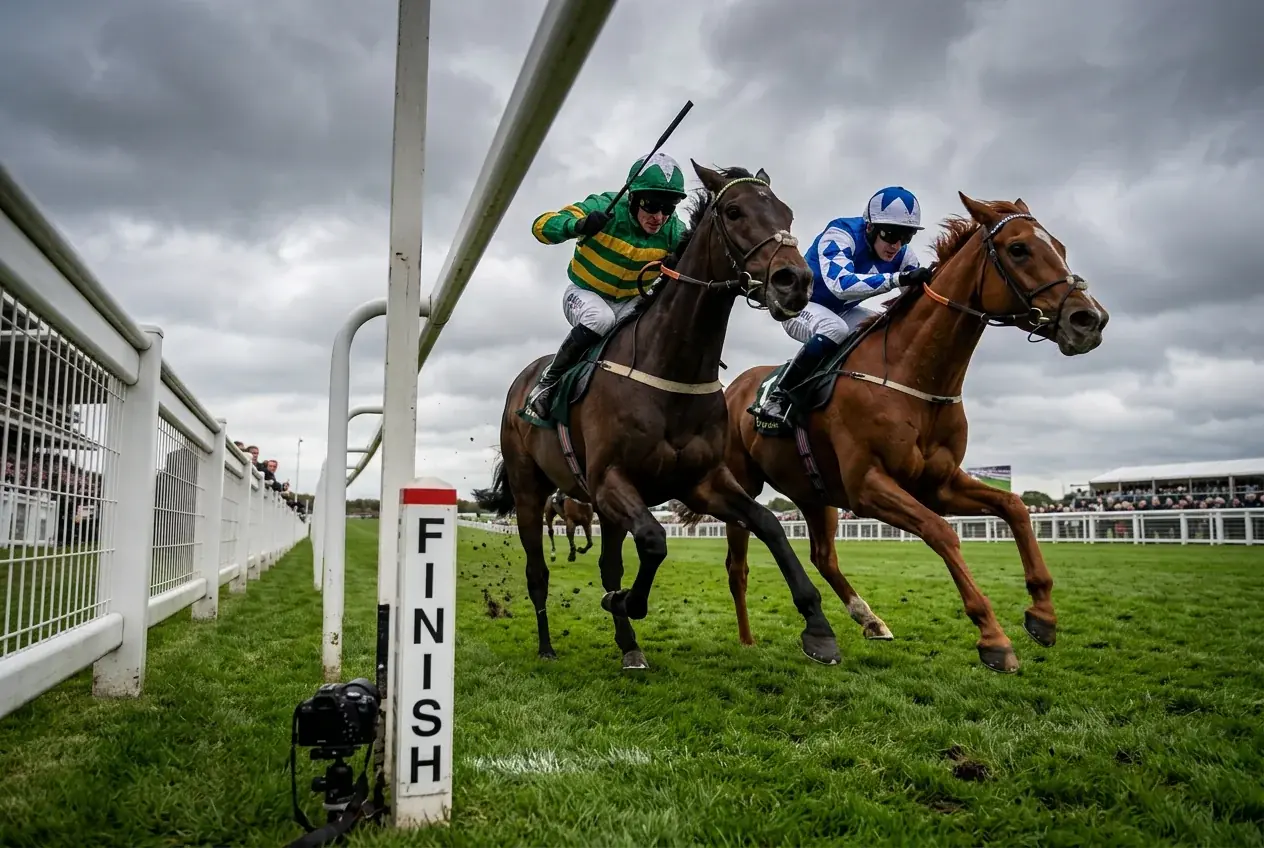
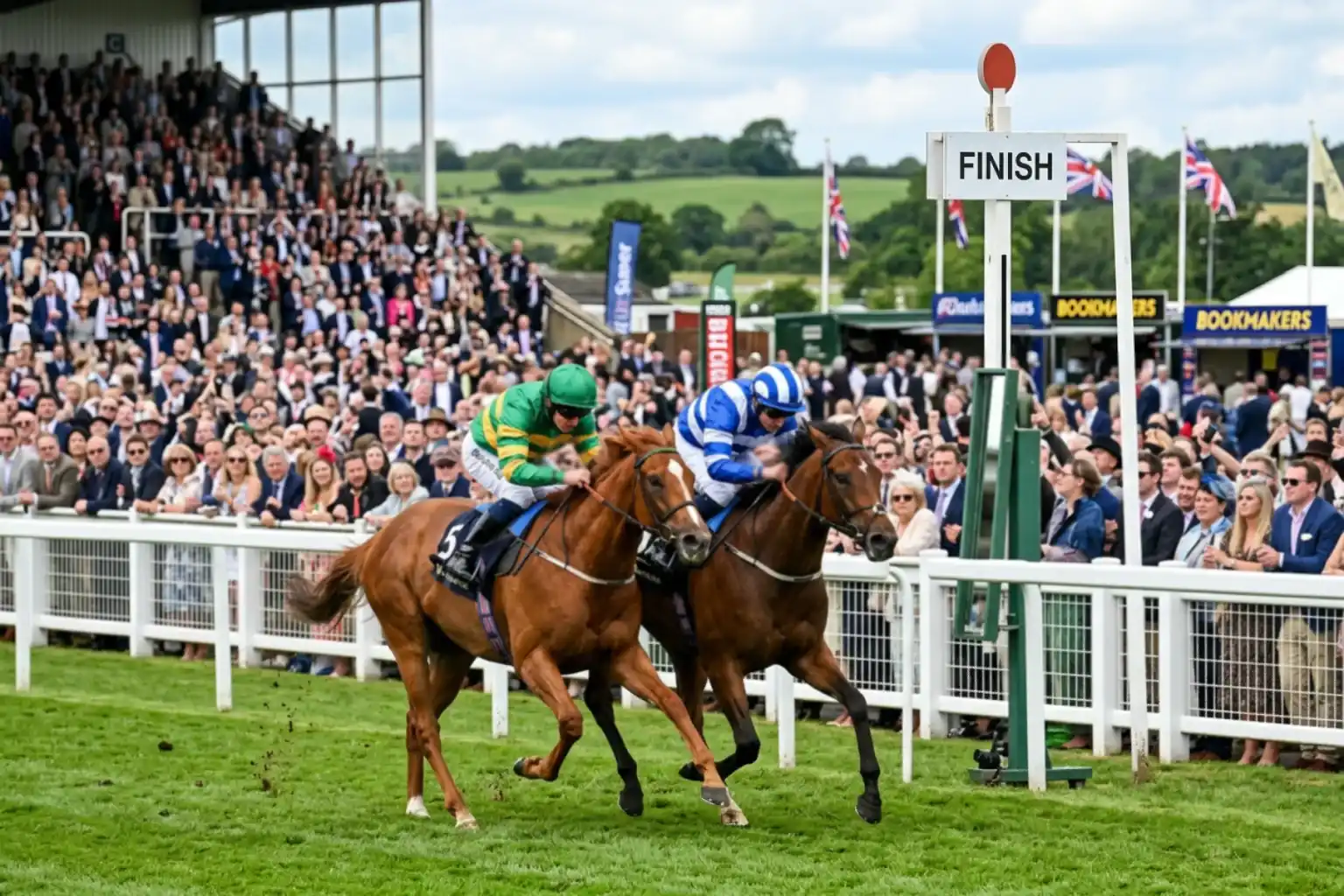
Newmarket is where the best horses in training show their hand for the first time each spring, and it is where I have learned to trust early-season form over market reputation. The Rowley Mile’s stiff uphill finish and the July Course’s undulating layout separate genuine Classic contenders from pretenders, and both tracks produce exacta opportunities that reward the bettor who has done the homework over winter. There is nowhere better in British racing to see ability before the market fully prices it in.
British racing’s total prize fund hit a record 194.7 million in 2025, and a significant slice of that money is distributed across Newmarket’s premium fixtures. The 1000 and 2000 Guineas meetings, the July Festival, Champions Day at the Rowley Mile – these are not just the best racing of the year but the deepest exacta pools outside Royal Ascot and the Cheltenham Festival.
The Guineas Meeting and Three-Year-Old Form
The 2000 Guineas is the first Classic of the season, and the exacta pool on that race is one of the most fascinating betting markets I encounter all year. The field typically features ten to sixteen runners, most of whom have had only two or three career starts. The form book is thin, the private information gap between insiders and the public is wide, and the betting market is driven as much by reputation and breeding as by proven racecourse ability.
That information asymmetry is the exacta bettor’s friend. When the public backs the most talked-about horse from the winter previews, the pool concentrates on combinations involving that horse – regardless of whether its actual racecourse form justifies the support. Meanwhile, horses with strong trial form but lower profiles attract less pool money, creating value on combinations where the more proven trial winner finishes first and a lightly raced improver fills the runner-up spot.
I approach the Guineas by prioritising trial form over reputation. A horse that won a Craven Stakes or a Greenham with genuine authority has demonstrated its ability at Newmarket or on a comparable track under race conditions. A horse that won a maiden at Kempton and has been talked up on social media has not. The exacta pool does not make this distinction rigorously enough, and the dividend differential between “obvious” and “informed” combinations reflects that gap.
The July Festival and Mid-Season Value
If the Guineas meeting is about raw talent, the July Festival is about refinement. By early July, most horses have had three or four runs, form lines have been franked or exposed, and the market has a much clearer picture of relative ability. You might expect this clarity to compress exacta dividends, but the July Festival’s programme design works against that assumption.
The July Cup – one of Europe’s premier sprints – draws an international field where form from Australia, Hong Kong, and the Middle East intersects with UK and Irish form. The betting public struggles to assess cross-border form accurately, which fragments the exacta pool across a wider range of combinations than a purely domestic race would produce. Sprint races also favour horses that break well and hold their position, adding a randomness element that form analysis cannot fully capture.
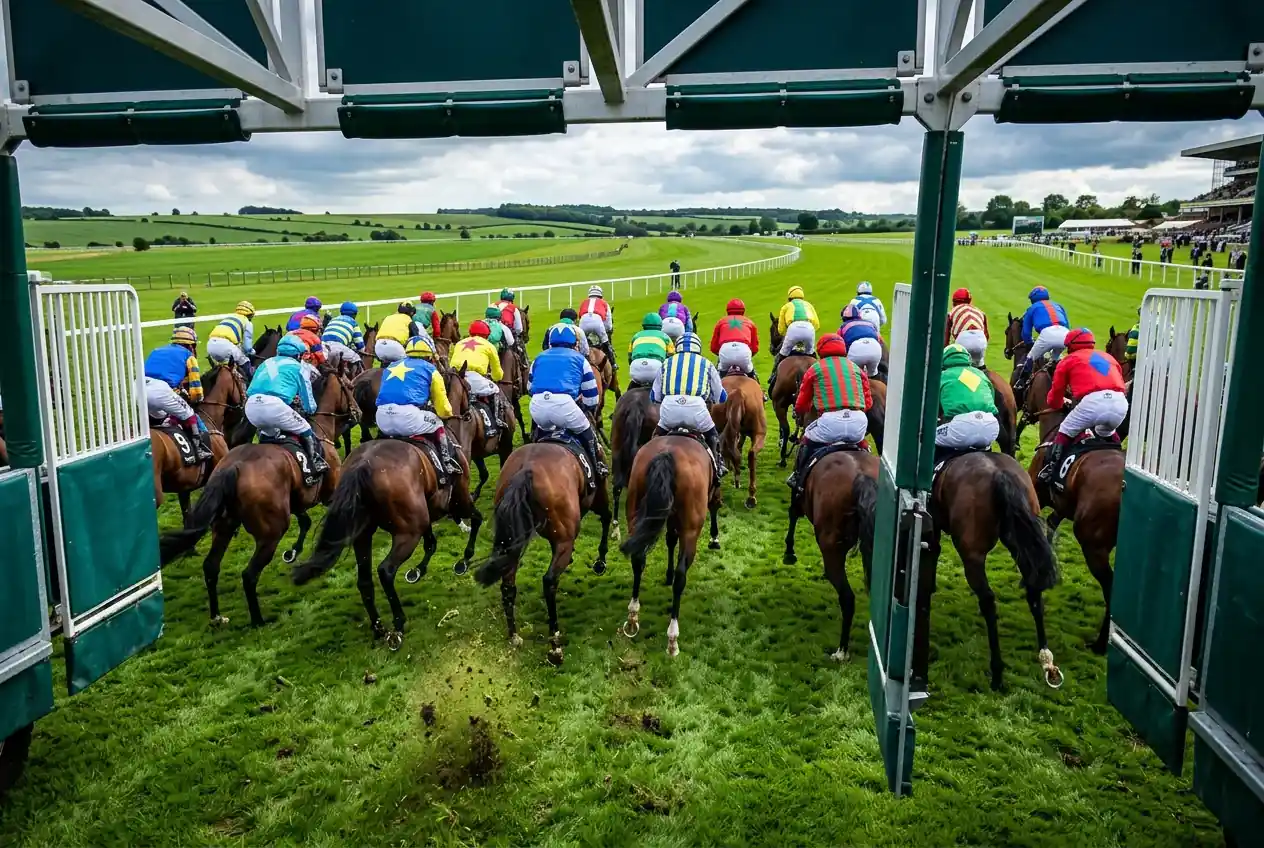
The supporting programme at the July Festival includes competitive handicaps on the July Course, where the draw plays a significant role over distances up to a mile. Average field sizes at Premier Flat meetings reached 11.02 runners in 2025 – a figure that the July Festival’s handicaps regularly exceed. These races produce exactly the kind of large-pool, large-field, competitive dynamics that generate the best exacta dividends. My July Festival budget allocates more to the handicaps than to the pattern races, because the combination count and pool distortion in the handicaps consistently produce better expected value.
Champions Day and Autumn Exactas
Champions Day at Ascot is technically at a different track, but the card is managed as part of the Newmarket-centric autumn programme and features many horses that have run at Newmarket throughout the season. For the purposes of form-tracking exacta bettors, the autumn Newmarket meetings and Champions Day form a connected sequence.
The Dewhurst Stakes, the Cheveley Park Stakes, and the Cesarewitch Handicap – all run at Newmarket in October – are three of the best individual exacta races of the year. The Dewhurst features the season’s best two-year-olds and often determines the ante-post market for the following year’s Guineas. Exacta dividends in the Dewhurst reflect the thin form of juvenile runners, where one career start separating contenders makes the runner-up position genuinely unpredictable.
The Cesarewitch is the autumn equivalent of the Ebor: a marathon handicap with a field of 20 or more runners, massive combination counts, and a pool deep enough to produce dividends that justify complex coverage structures. The Tote Exacta paid more than the bookmaker forecast in 73% of races on World Pool days in 2025, and Newmarket’s autumn fixtures frequently feature World Pool integration, giving the exacta bettor the double advantage of lower deductions and deeper liquidity.
Reading Newmarket-Specific Form for Exactas
Not every track produces results that translate to Newmarket, and recognising which form lines carry the most predictive value is essential for exacta selection at headquarters.
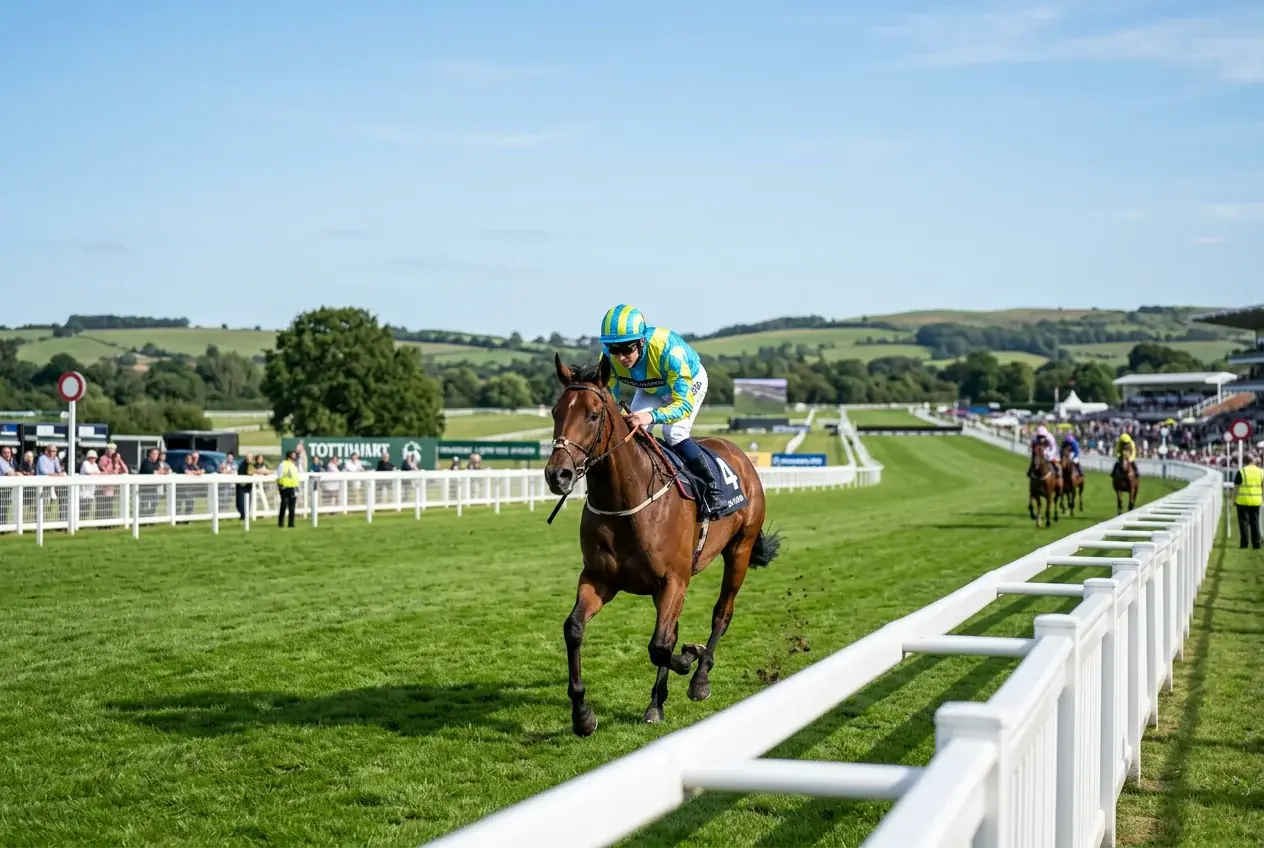
Form at Ascot, York, and Goodwood translates well to Newmarket – all are galloping tracks that reward stamina and genuine ability. Form at Chester, Brighton, and Epsom translates poorly because those tracks reward specific tactical qualities – tight turns, downhill running, the ability to handle camber – that are irrelevant on Newmarket’s wide, flat straights.
I keep a separate set of notes on horses’ Newmarket form. A horse that has run twice at Newmarket and finished in the first three both times is a different proposition from a horse that has never raced there. The stiff finish on the Rowley Mile catches out horses that are effective on flatter tracks but lack the raw stamina to sustain their effort up the final hill. For exacta purposes, that means including horses with proven course form as second-place candidates even when the market has them at longer prices than their Newmarket record deserves.
Trainer form at Newmarket also carries extra weight because the local trainers – based in Newmarket itself – have home advantage. They know the going, the draw biases for different configurations, and how the ground rides at different times of year. A horse trained on the Newmarket gallops and running on its home track has a subtle edge that is not always reflected in the market price but consistently influences the finishing order. For cross-referencing festival patterns with Newmarket form, the Cheltenham exacta guide shows how meeting-specific form reading applies at different types of fixtures across the calendar.
Is Newmarket a good track for exacta betting?
Newmarket is one of the best tracks for exacta betting in the UK. Its galloping layout rewards genuine ability, premium meetings attract deep Tote pools, and the Classic programme features fields with enough uncertainty to produce valuable dividends. The Guineas, July Festival, and autumn fixtures all offer strong exacta opportunities across both pattern races and competitive handicaps.
Which Newmarket meeting produces the best exacta dividends?
The Cesarewitch meeting in October consistently produces the highest individual exacta dividends due to the Cesarewitch Handicap’s large field of 20-plus runners and deep pool liquidity. The Guineas meeting offers value through information asymmetry in the Classic trials, and the July Festival provides excellent handicap exacta opportunities with large fields on the July Course.
Prepared by the Horse Racing Exacta bet editorial staff.