Exacta Betting at York: Ebor Festival and Summer Pools
 Available in US
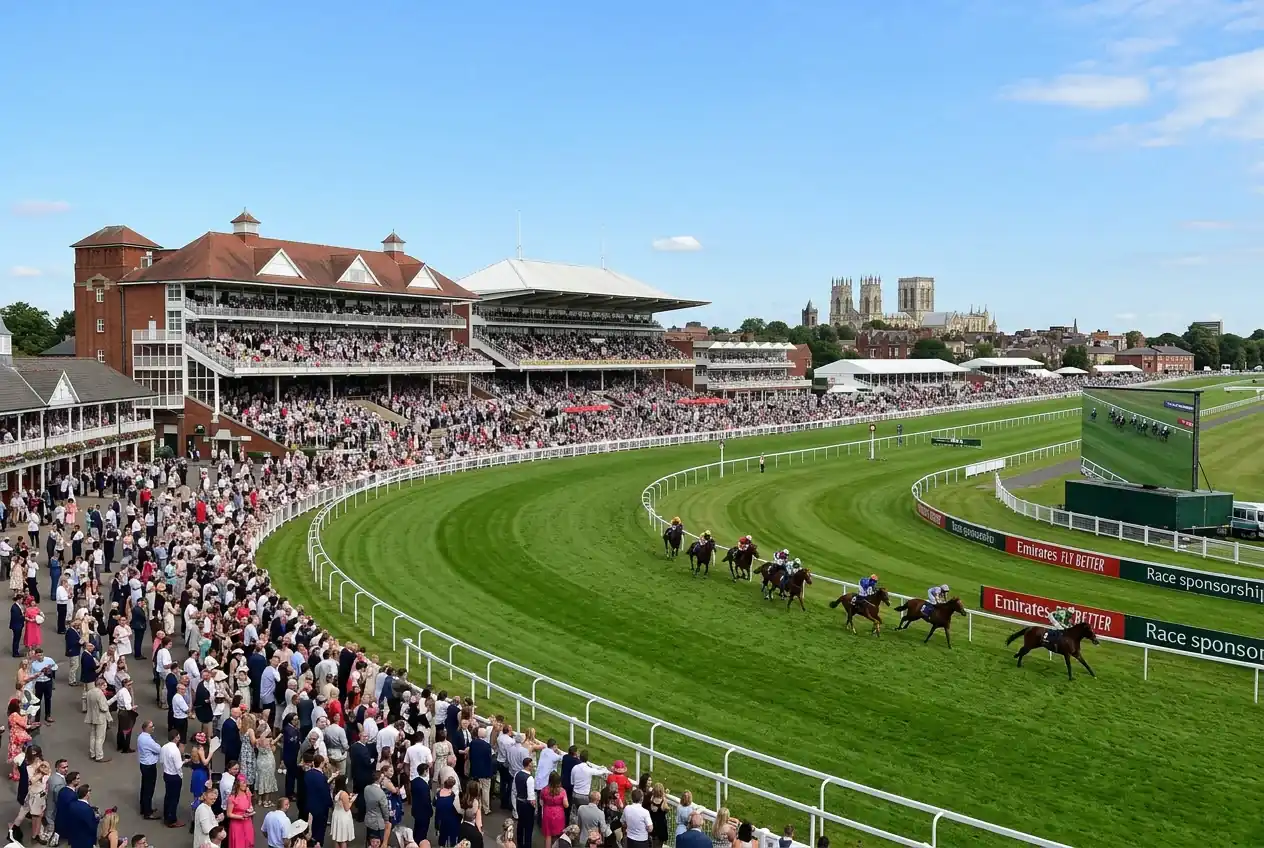
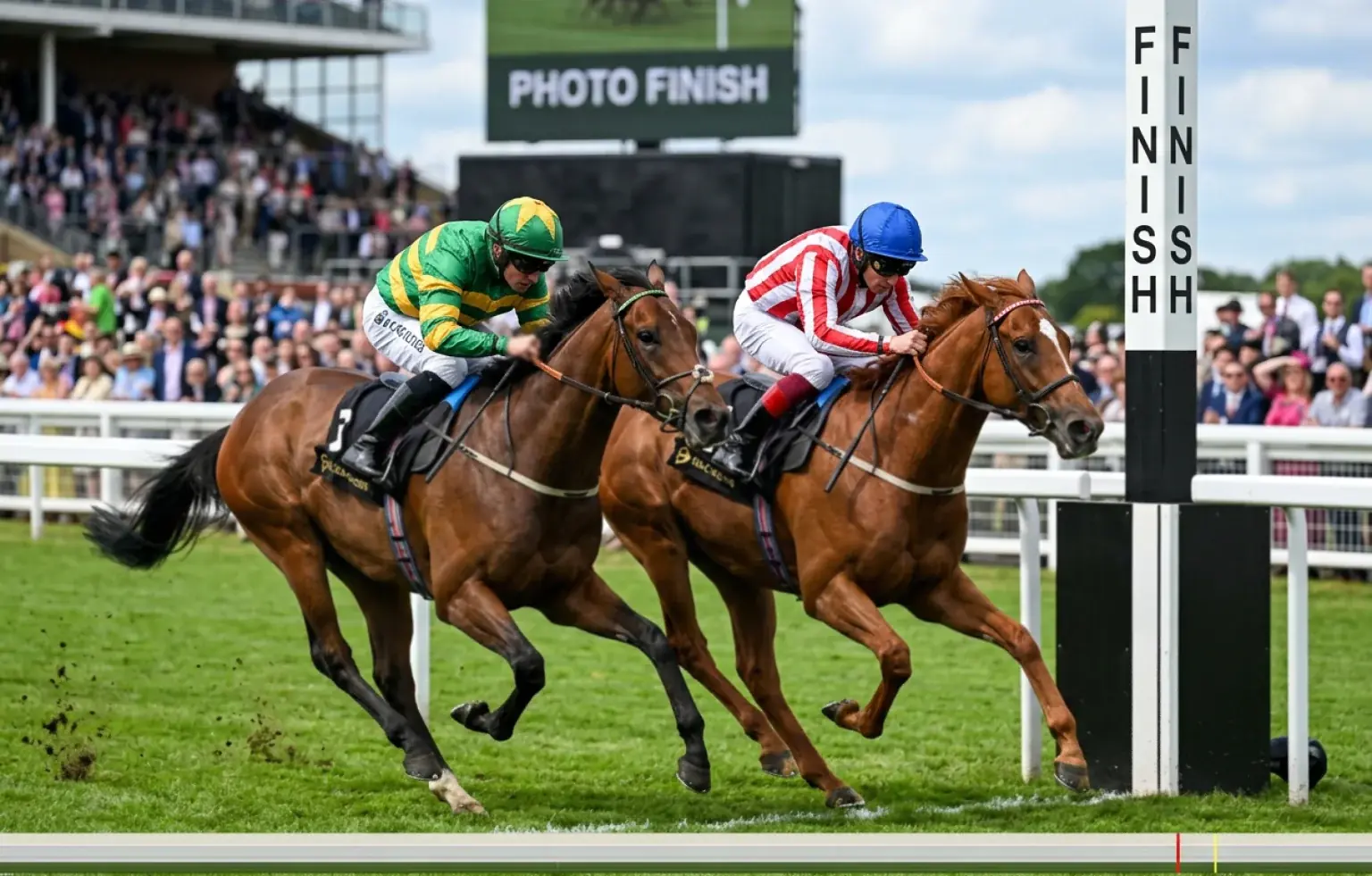
York is my favourite track for exacta betting, and it is not close. The Knavesmire’s wide, galloping layout rewards genuine ability over tactical fortune, the Ebor Festival draws fields deep enough to generate serious pool liquidity, and the betting public’s fascination with the big-race names leaves plenty of value buried in the middle-market runners. I have had more profitable exacta days at York than at any other UK racecourse, and the structure of the meeting explains why. Visit horse racing exacta bet for Ebor Festival coverage.
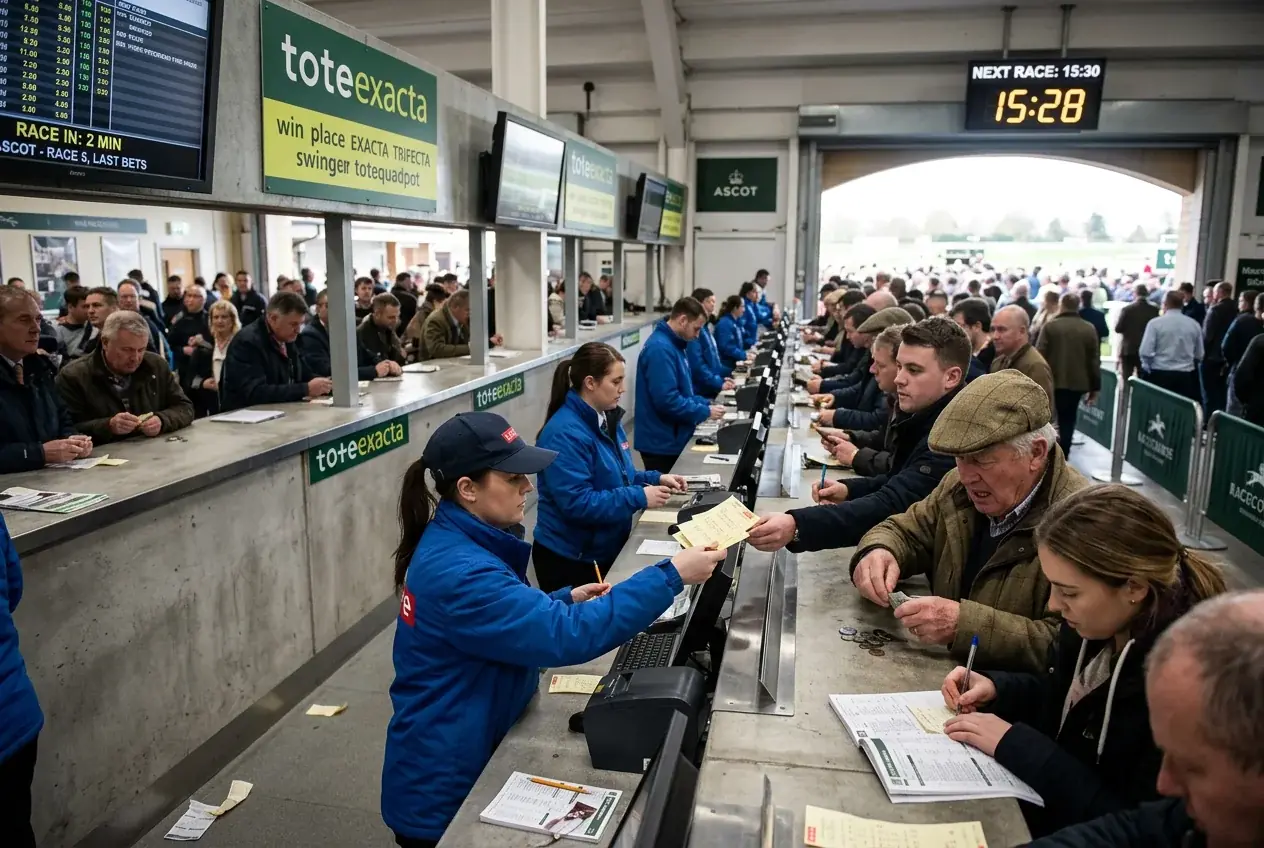
The Ebor Festival across four days in August is one of the richest fixtures on the UK Flat calendar, attracting UK racecourse attendance that crested 5.031 million in 2025 – the first time past the five million mark since 2019. York’s share of that attendance concentrates some of the largest on-course crowds outside Royal Ascot, and those crowds bring pool money. When the Tote Exacta pool on a single race at the Ebor swells past 30,000, you are betting into the kind of liquidity that produces meaningful, reliable dividends.
Why York’s Layout Favours Exacta Bettors
I was standing by the two-furlong pole at York the first time I truly understood what a galloping track does to a race result. A three-year-old who had been trapped wide on the turn at Ascot the month before had clear daylight at York and won by four lengths. Same horse, same jockey, completely different outcome – dictated entirely by track geometry.
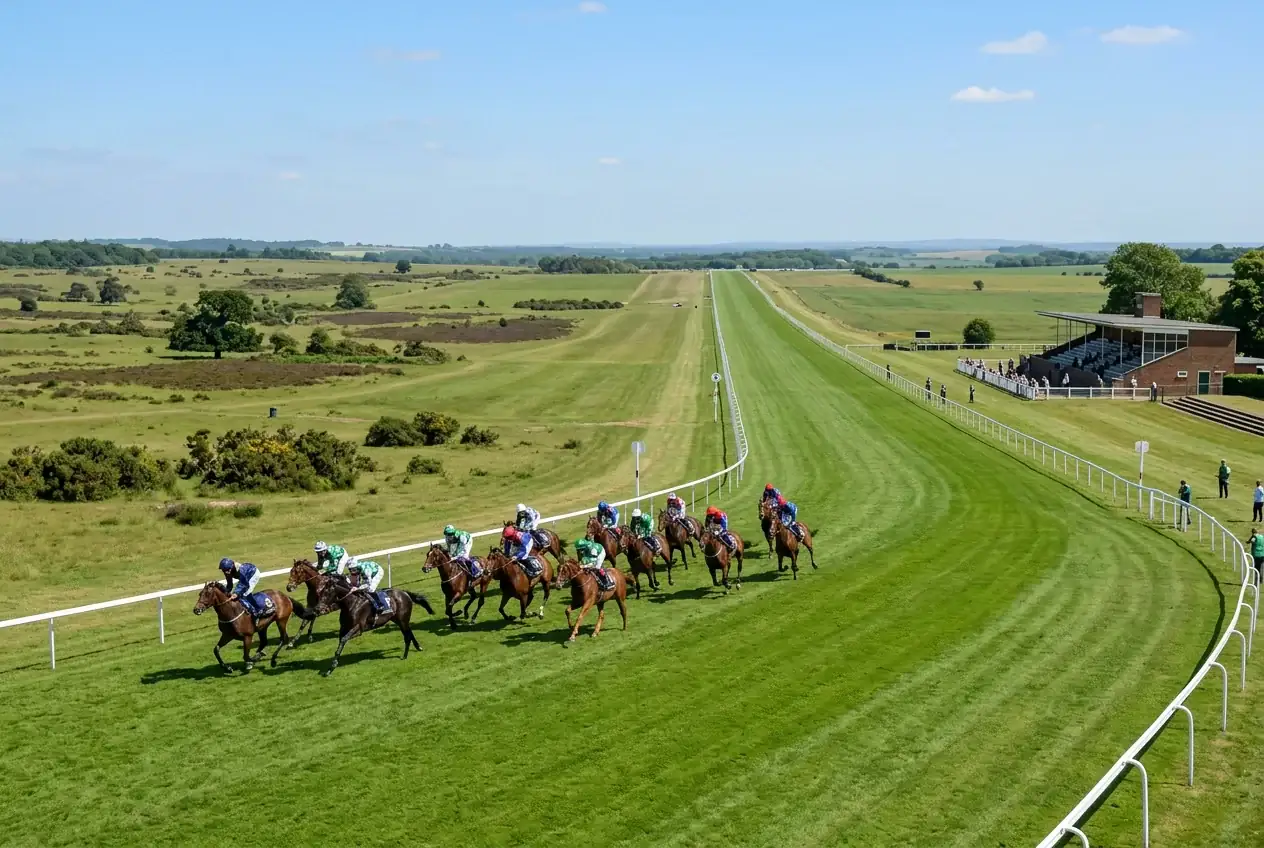
York’s left-handed circuit is flat, wide, and fair. The home straight on the round course is roughly two and a half furlongs, long enough for a strong finisher to come from midfield without needing luck in running. The straight course – used for sprints and some mile races – is one of the truest tests of raw speed in British racing. Both configurations reduce the influence of random factors like traffic trouble and tight turns, which means form translates more reliably here than at tighter tracks like Chester or Brighton.
For exacta bettors, reliable form translation is gold. If a horse has demonstrated clear ability in its recent starts, York’s layout gives it every chance to express that ability. The best horse and the second-best horse are more likely to finish first and second at York than at a track where draw bias, tight bends, or undulations introduce chaos. That predictability does not eliminate value – it concentrates it in the exacta bettor’s favour, because your form analysis holds up more consistently, and the dividend still rewards getting the exact order right.
The Ebor Handicap and Big-Field Pool Dynamics
Twenty runners. A mile and six furlongs. A prize pool north of 1 million. The Ebor Handicap is the centrepiece of the festival and one of the best single races on the UK calendar for exacta betting.
What makes the Ebor exceptional for pool bettors is the sheer combination count. Twenty runners generate 380 possible exacta combinations. The betting public covers a fraction of those – typically clustering around the top four or five in the market and their most likely runner-up partners. That leaves hundreds of combinations with minimal pool support, and when one of those combinations lands, the dividend is substantial.
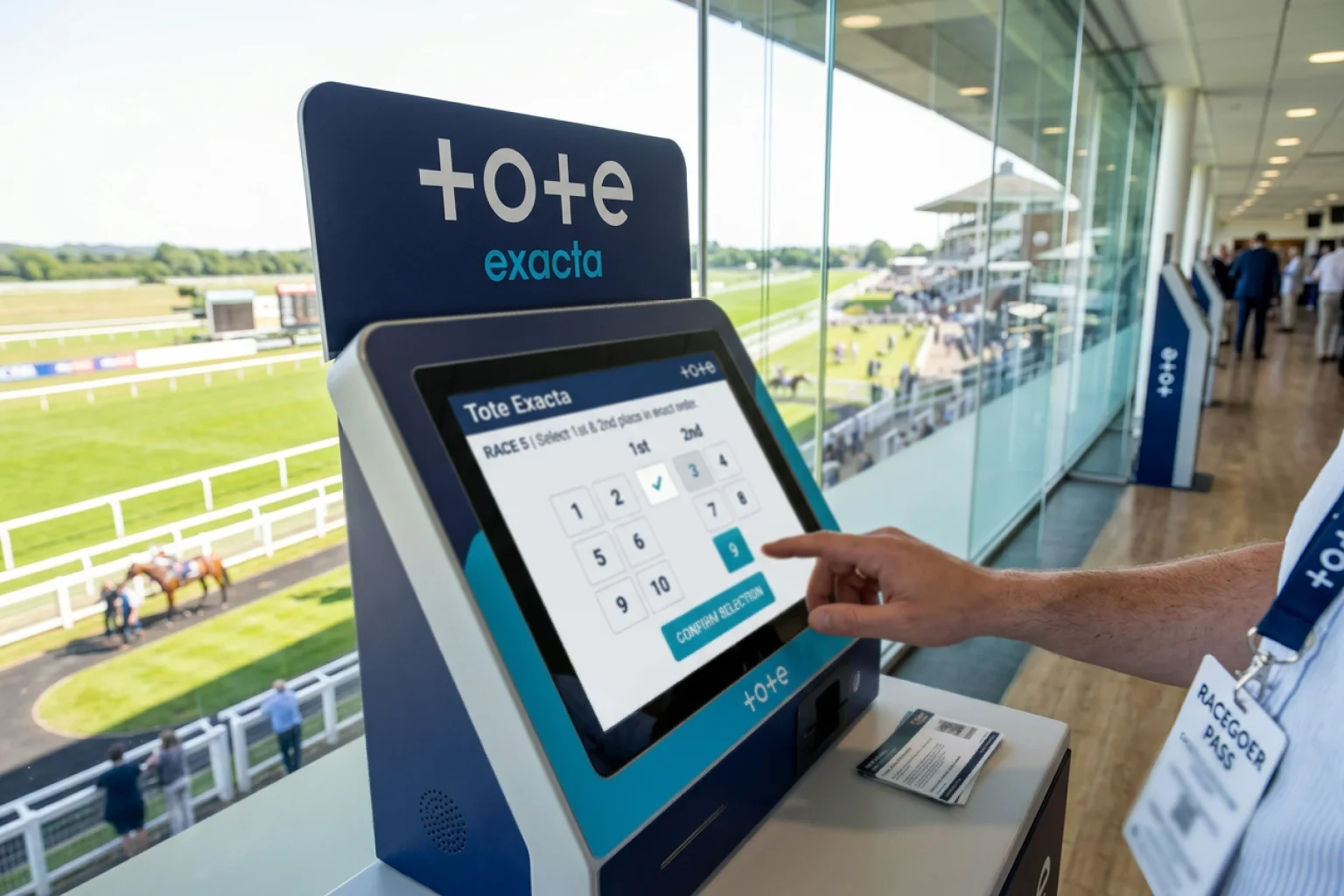
The Tote Exacta average dividend across 3,270 turf flat races was 102.44 per 1 unit. The Ebor regularly exceeds that figure by multiples because the field size and competitive nature of the handicap conspire to produce unconsidered results. In recent years, the winner has come from double-figure draws, from the back of the market, and from the pack of horses that the Racing Post tipsters barely mentioned in their previews. Each time, the exacta dividend reflected the public’s failure to anticipate the result.
I approach the Ebor with a part-wheel structure rather than a box, keying two or three horses I rate strongly for the win and wheeling them with six or seven runners for second. The cost is manageable – typically 12-21 combinations at my unit stake – and the coverage captures the most plausible scenarios where a non-obvious horse fills the runner-up spot. The alternative, boxing six horses for 30 combinations, costs more and duplicates combinations where I have no strong view on the order.
World Pool Days at York
York is a regular fixture on the World Pool calendar, and the Ebor Festival typically features multiple races commingled with the Hong Kong Jockey Club’s global network. When that happens, the Tote Exacta deduction drops from 25% to roughly 19.5%, and the pool depth increases dramatically.
Andrew Harding, the HKJC’s Executive Director of Racing, described the World Pool as playing “a key role in the globalisation of racing” – and York’s prestigious fixtures are exactly the type of event that attracts international pool money. On World Pool days at the Ebor, the exacta pool for a single Group race can exceed anything the domestic market generates alone, producing smoother dividends and better returns for winning tickets.
My approach shifts on World Pool days. I increase my unit stake because the lower deduction improves my expected return on every combination. I also broaden my second-place selections slightly, because the deeper pool means even moderately popular combinations pay well enough to justify the extra coverage. The World Pool schedule for York is announced ahead of each season, and checking which races qualify is the first thing I do when planning my Ebor Festival strategy.
Beyond the Ebor: York’s Dante and May Meeting
The Dante Festival in May is York’s other marquee fixture, and it offers a different kind of exacta opportunity. Where the Ebor is dominated by handicaps, the Dante card is loaded with pattern races for three-year-olds – many of them running over middle distances for the first time, or stepping up in class from maiden or novice company.
Three-year-olds in May are the most volatile runners in training. They are improving rapidly, their form profiles are shallow, and their ability over the Dante’s distances is untested. That uncertainty depresses the betting public’s confidence and spreads the money more widely across combinations, but the uncertainty is not random – trainers and work watchers have strong private views on which horses are ready for the step up. If you can identify horses whose home gallop reports or trial form suggest they are ahead of the market’s assessment, the Dante’s pattern races offer exacta value that rivals the big handicaps later in the year.
I treat the Dante as a scouting exercise as much as a betting one. The horses that run well here often reappear at Royal Ascot, the Derby meeting, and beyond. Noting which combinations produced value at Royal Ascot’s deep exacta pools starts with watching how the form from York’s May meeting translates forward. The two festivals are connected by the same generation of Classic-distance three-year-olds, and the exacta bettor who tracks them through both fixtures builds a compounding information advantage.
Selecting York Exactas by Race Type
Not every race at York deserves an exacta bet, and the selectivity filter I apply at the Knavesmire is stricter than at most tracks because the pool liquidity makes the good races so much better.
Group 1 races with small fields – five or six runners – produce compressed dividends where the return rarely justifies the risk. The Yorkshire Oaks with a strong favourite and a clear second-best is not an exacta race; it is a win-bet race. Group 2 and Group 3 events with 8-12 runners hit the sweet spot: enough combinations to generate meaningful dividends, enough form data to make informed selections, and enough casual money in the pool to create value for the prepared bettor. Read our main exacta bet horse racing guide for a full overview.
Heritage handicaps – the valuable, prestigious handicaps that York programmes throughout its major meetings – are the core of my exacta activity. The Ebor itself, the Great Voltigeur Handicap, the competitive sprint handicaps on the Knavesmire straight course: these races combine large fields, deep pools, and the kind of competitive uncertainty that exacta bettors thrive on. If you attend York and bet on nothing but the heritage handicaps, your exacta returns over a season will outperform a blanket approach across the full card.
Is the Ebor Handicap the best single race for exacta betting at York?
The Ebor consistently produces some of the highest exacta dividends of any UK flat race due to its large field of 20 runners, highly competitive handicap structure, and deep pool liquidity. The combination count of 380 possible outcomes with public money concentrated on a small fraction makes it one of the best individual exacta betting opportunities on the UK calendar.
Does York feature World Pool exacta betting?
York is a regular fixture on the World Pool calendar, particularly during the Ebor Festival. World Pool races offer a lower deduction rate of approximately 19.5% compared to the standard 25%, and the commingled pool with the Hong Kong Jockey Club’s global network produces deeper liquidity and smoother dividends. The specific races are announced ahead of each season by the Tote and HKJC.
Written by the editors at Horse Racing Exacta bet.