Exacta Betting at Cheltenham: Festival Pool Tips and Dividend Data
 Available in US
Table of Contents

Cheltenham in March is the one week of the year when I clear my diary for racing. It is not just the quality of the sport – it is the pool betting. The Festival generates some of the deepest Tote Exacta pools on the UK calendar, and the combination of large fields, international raiders, and high-volume betting creates dividend opportunities that do not exist at any other meeting. If you are going to be serious about exacta betting on one fixture a year, Cheltenham is the fixture. Explore horse racing exacta bet for Cheltenham Festival pools.
UK racecourse attendance reached 5.031 million in 2025, the first time the figure surpassed five million since 2019, and Cheltenham accounts for a substantial portion of that total across its four days. The British Horseracing Authority described major meetings as having “a pivotal role to play in attracting more fans to the sport,” and Cheltenham embodies that assessment more than any other fixture. For exacta bettors, the crowds translate directly into pool depth – more people betting means bigger pools, bigger pools mean more stable dividends, and more stable dividends mean the maths works more reliably in your favour.
Cheltenham Pool Dynamics
I remember my first Cheltenham as a pool bettor. I was used to midweek cards where the Exacta pool might total a few thousand pounds. At the Festival, the pools were an order of magnitude larger, and it changed my entire approach.
Cheltenham’s Exacta pools are among the deepest domestic pools in UK racing. The combination of on-course betting – Cheltenham’s daily attendance routinely exceeds 60,000 – and heavy online participation through the Tote creates a total pool volume that smooths out the volatility you see on quieter cards. A deeper pool means the dividend is more reflective of the actual probability distribution of the field, rather than being skewed by a handful of large individual bets that can distort smaller pools.
Britbet processed £73.6 million in on-course pool turnover across UK tracks in 2024, and festival meetings generate a disproportionate share of that figure. At Cheltenham specifically, the on-course Tote operation is one of the busiest in British racing, with queues at the Tote windows and self-service terminals running constantly between races.
What this means practically is that Cheltenham Exacta dividends tend to reward genuine form analysis rather than random long shots. In thinner pools, a single large bet on a popular combination can suppress the dividend for everyone else backing the same outcome. At Cheltenham, the pool is large enough to absorb individual bets without material distortion. The dividend you receive is closer to a “true” pari-mutuel result – the collective wisdom of thousands of bettors, reflected in real returns.
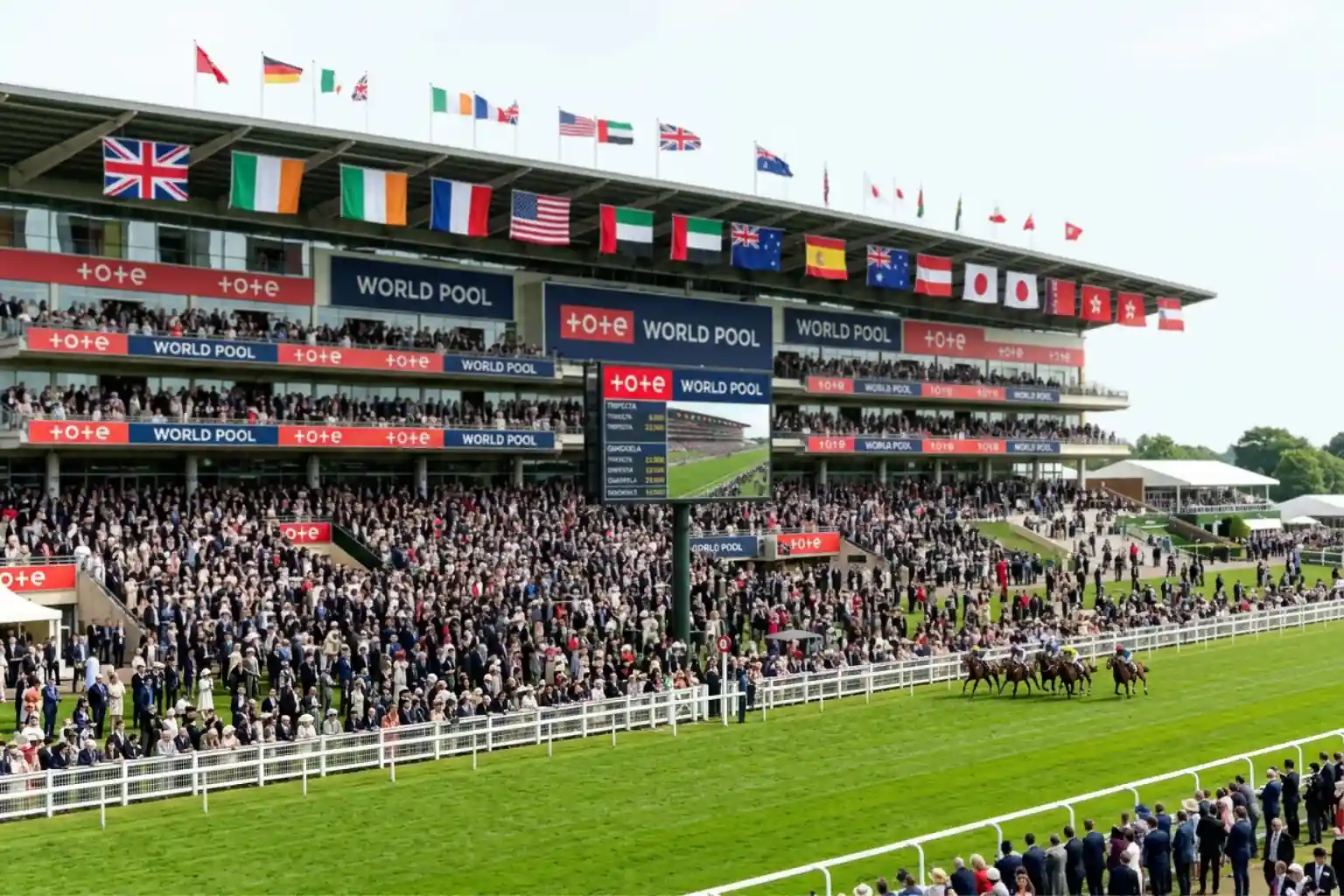
World Pool integration on selected Cheltenham races adds another layer of depth. On races designated as World Pool events, the UK pool is commingled with international money from Hong Kong and other jurisdictions, further increasing liquidity and reducing the deduction from 25% to 19.5%. The biggest Cheltenham pools happen when World Pool and domestic enthusiasm collide on the same race.
Race Selection
Not every Cheltenham race is equal for exacta value. I learned this the hard way – spreading my early Festival budgets evenly across all 28 races, only to find that half of them produced modest dividends on predictable results.
The races that consistently produce the best exacta value at the Festival are the handicaps: the Ultima, the Coral Cup, the Pertemps Final, the County Hurdle, the Martin Pipe, the Grand Annual, and the Boodles Handicap Hurdle. These typically feature fields of 18 to 24 runners, generating hundreds of possible exacta combinations and ensuring that the pool money is spread thinly. An unconventional result in a 20-runner handicap pays significantly more than the same level of upset in an eight-runner championship event.
The championship races – Champion Hurdle, Queen Mother Champion Chase, Stayers’ Hurdle, Gold Cup – tend to have smaller fields and stronger favourites. Average field sizes on Jumps racing in 2025 sat at 7.84 across the board, but these feature events often run with six to ten runners and clear market leaders. The Exacta dividends in championship races are typically lower because the first-and-second finishing order is more predictable and more heavily backed in the pool. I still place exactas in these races, but I do so with keyed structures rather than boxes, focusing on the runner-up position where uncertainty is higher.
The novice events sit in between. They often produce surprises because the form book is thinner for horses in their first season over fences or hurdles, and Irish-trained runners from yards with limited UK exposure can be significantly underbet in the pool. I have found novice handicaps particularly rewarding for exacta betting at the Festival.
Historical Dividends
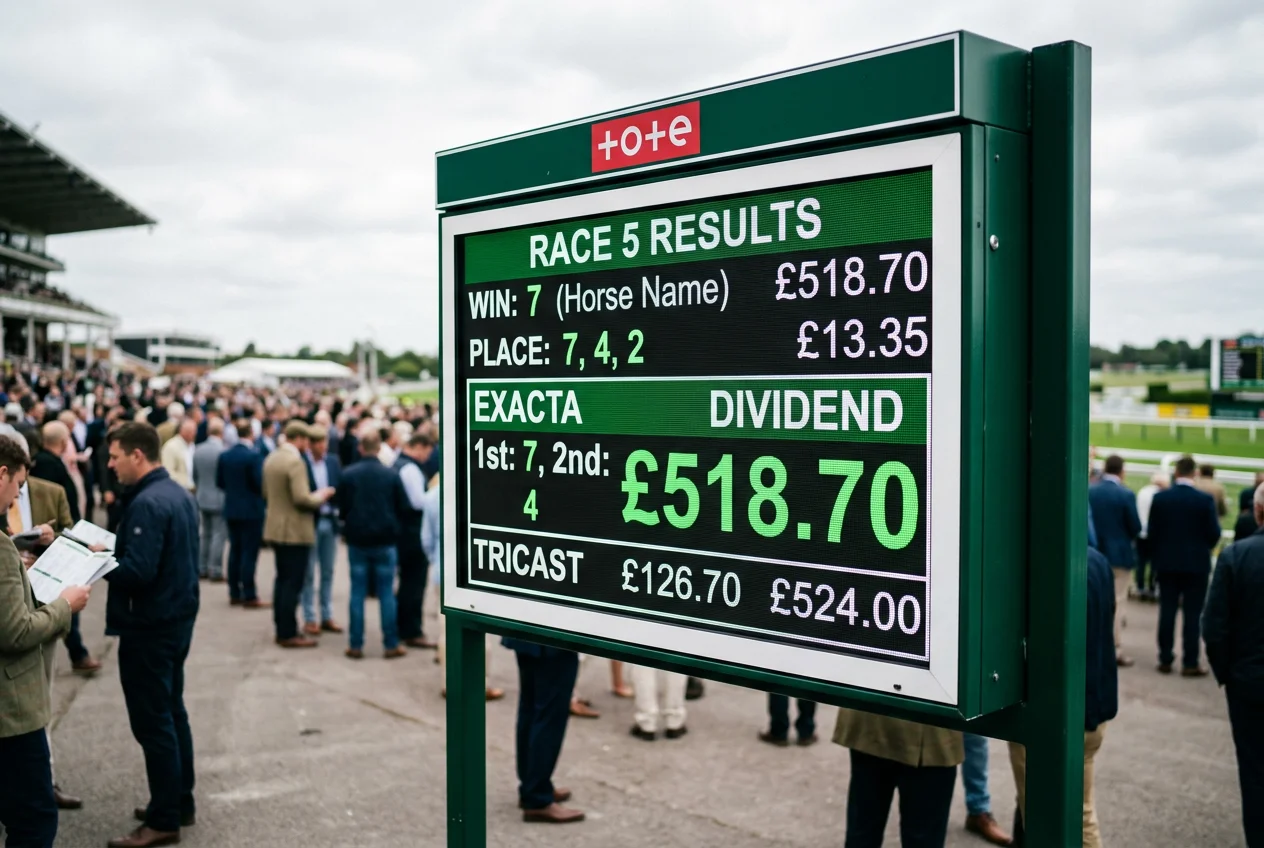
Over the years, I have kept a record of Cheltenham Exacta dividends, and the range is extraordinary – from single-figure returns in short-field championship races to four-figure payouts in wide-open handicaps.
The largest Cheltenham Exacta dividends consistently come from the races I mentioned above: the big handicaps. A well-documented early-2000s example saw a £1 exacta return over £4,300 when two unconsidered runners filled the first two places in a handicap hurdle. That figure is exceptional, but dividends in the £200 to £500 range are not uncommon in the Festival handicaps, particularly when the first two finishers are outside the top six in the market.
Championship races tell a different story. When the favourite wins the Champion Hurdle and the second favourite finishes second, the exacta dividend might be £8 to £15. When the Gold Cup produces a more open result with mid-priced contenders filling the frame, the dividend can climb to £40 or £60. The variance is lower because the pools in championship races are enormous relative to the number of realistic combinations, compressing the dividend on expected outcomes.
One trend I have noticed across the last several Festivals: Tuesday and Wednesday tend to produce higher average exacta dividends than Thursday and Friday. The opening-day handicaps draw the freshest runners with the least public exposure, and the pools are building but not yet at their deepest. By Gold Cup day on Friday, casual bettors flood the pools, often backing the same popular names, which can actually create value in less obvious combinations.
The key takeaway from tracking Cheltenham dividends: do not expect the same return profile across all four days. Budget your exacta spend with the handicap schedule in mind, allocate more to the races with the largest fields and the most open betting markets, and treat the championship events as lower-return, higher-probability exacta opportunities where keyed structures outperform boxes. For an approach tailored to the Grand National’s even larger fields, the Aintree exacta guide covers the differences between Festival and National betting. Compare pools with exacta betting at Royal Ascot for the richest dividends.
Are Cheltenham exacta pools larger than typical UK race meetings?
Significantly larger. Cheltenham Festival draws daily crowds exceeding 60,000 and generates some of the deepest domestic Tote pools of the year. The combination of high on-course participation and heavy online betting through the Tote creates Exacta pools that dwarf those on standard midweek or weekend cards. On selected races with World Pool integration, the pool depth increases further through international commingling.
Which Cheltenham races have the most competitive fields for exacta betting?
The big handicaps – the Ultima, Coral Cup, County Hurdle, Grand Annual, and similar events – consistently feature the largest fields, often 18 to 24 runners. These races produce the widest range of exacta dividends because the pool money is spread across hundreds of combinations. Championship events like the Gold Cup and Champion Hurdle have smaller fields and more predictable results, typically producing lower exacta dividends.
Prepared by the Horse Racing Exacta bet editorial staff.