Exacta Betting on Sprint Races: Speed, Draw, and Pool Value
 Available in US

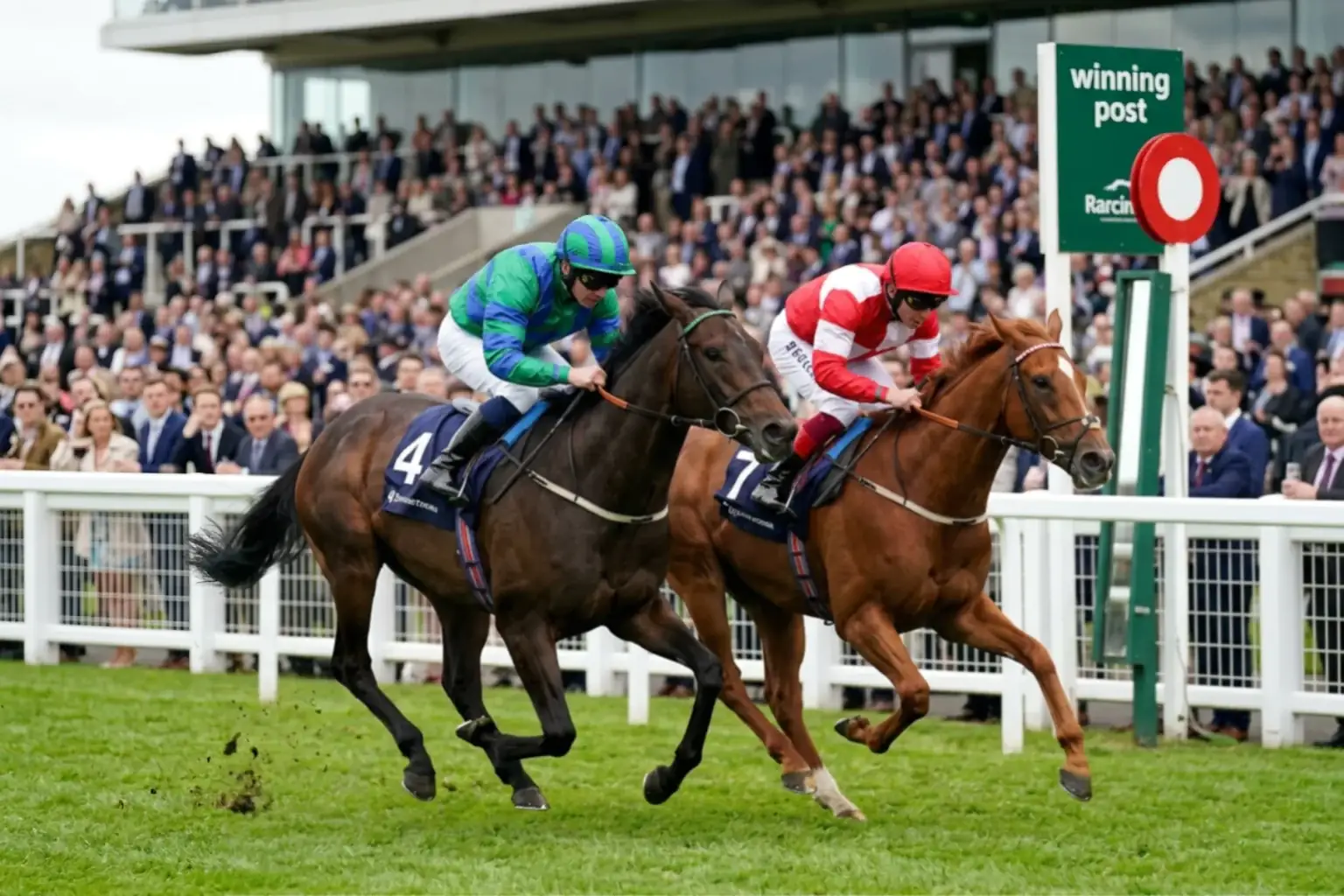
Sprint races are chaos compressed into sixty seconds, and I love them for it. A five-furlong dash at Epsom gives the exacta bettor everything: large fields, decisive draw biases, pace variables that form-only analysts miss, and a finishing order that defies the betting market more often than any other race type. My best-ever strike rate on exactas comes from sprints, and it is not because I am better at reading sprint form – it is because the pool money in sprint races is distributed less efficiently than in any other distance category.
UK sprint racing between five and six furlongs accounts for roughly a quarter of all Flat races, and the field sizes are consistently among the largest on the card. Average field sizes at Premier Flat meetings hit 11.02 runners in 2025, but competitive sprint handicaps at meetings like York, Ascot, and Haydock regularly feature 15-20 runners, generating combination counts that stretch into the hundreds.
Why Sprints Produce Different Exacta Dynamics
In a 12-furlong race, the better horse usually wins. The distance gives class and stamina time to assert themselves, and the form book’s assessment of relative ability is validated more often than not. In a five-furlong race, the margin for error is measured in fractions of a second. A slow start, a stumble from the stalls, a headwind on one side of the track – any of these can separate the first two finishers from the rest by a nose, and none of them is captured in the form book.
That inherent volatility makes sprint results harder for the public to predict, which fragments the exacta pool across a wider range of combinations. When no single combination dominates the pool, every winning outcome produces a higher dividend relative to field size than it would in a middle-distance race where the market converges on the obvious first-second pairing.
The data supports this. The Tote Exacta averaged 102.44 per 1 unit across 3,270 turf flat races, but sprint handicaps with 14-plus runners routinely produce dividends of 150-400 per unit even when the result involves two horses from the top half of the market. The combination of field size, pace unpredictability, and draw influence pushes sprint exacta dividends above the overall average with impressive consistency.
The Draw Factor in Sprint Exactas
At certain UK tracks, the draw in sprint races is not a variable – it is a verdict. I learned this the hard way at Chester, where I backed a sprinter drawn in stall 10 in a 5-furlong handicap. The horse had the best form, the best jockey, and the best recent times. It finished fifth. The first two home were drawn in stalls 1 and 3. The draw did not influence the result – it determined it.
Chester is the extreme example, but draw biases exist at most UK tracks for sprint distances. Ascot’s straight five furlongs favours high draws in soft ground and low draws on faster ground. York’s Knavesmire straight course tends to favour the centre-to-stands side rail. Beverley’s five furlongs advantages low draws persistently. These biases are documented, measurable, and remarkably stable across seasons.
The exacta bettor who filters sprint selections by draw advantage gains an edge that the casual pool bettor ignores. When I identify a draw bias for a particular course and going combination, I weight my exacta combinations toward runners drawn on the favoured side. This does not mean excluding well-drawn horses from the opposite side entirely – but it does mean my primary combinations feature at least one horse with a draw advantage, and my secondary combinations cover the scenario where the draw bias plays out as expected.
Pace Analysis in Five and Six Furlongs
Jim Mullen, the Jockey Club’s Chief Executive, noted the organisation’s commitment to maintaining competitive racing across the programme, and nowhere is competitiveness more visible than in sprint handicaps where 15 horses break from the stalls at the same instant and every position in the first furlong matters.
Sprint pace analysis differs from middle-distance pace analysis because there is no tactical component. In a mile race, a jockey can decide to drop in, get cover, and time a late run. In a five-furlong race, every horse is running as fast as it can from gate to wire. The pace is set by the fastest breakers, and the question is whether those fast breakers can sustain their speed to the line or fade in the final half-furlong.
I categorise sprint runners into three groups: confirmed front-runners who lead from flag fall, handy runners who sit just behind the pace and pick up in the final furlong, and hold-up runners who come from behind. In a sprint with four confirmed front-runners, the early pace will be fierce, and handy runners or hold-up types are more likely to fill the exacta positions. In a sprint with just one front-runner, that horse can control the race and may be hard to catch – making it a strong exacta anchor in first place with a broader spread of runners for second.
This pace mapping takes ten minutes per race and produces selection insights that 90% of pool bettors do not bother to develop. When I have mapped the pace and identified two or three realistic first-second combinations based on how the race will unfold, I have a structural advantage over the pool – and the dividend reflects that advantage when the result falls my way.
Sprint Handicaps vs Sprint Group Races
Not all sprints are created equal for exacta purposes. The distinction between sprint handicaps and sprint pattern races is critical for bet selection and expected value.
Sprint Group races – the King’s Stand, the Nunthorpe, the July Cup, the Sprint Cup – feature small to medium fields of elite speedsters. The form book on these horses is extensive, the market prices are sharp, and the exacta pool reflects a well-informed public. Dividends in Group sprint races are typically lower than in sprint handicaps because the market converges on realistic combinations, leaving less value on the table.
Sprint handicaps are the opposite: large fields, competitive ratings bands, thin form on some runners, and a pool distorted by casual money. A 20-runner sprint handicap at a Saturday meeting generates 380 exacta combinations and a pool where 70% of the money covers 15% of the outcomes. The remaining 85% of combinations are under-supported, and when one of them wins, the dividend is exceptional.
My sprint exacta portfolio is weighted 80% toward handicaps and 20% toward Group races. The Group races are reserved for situations where my pace analysis or draw assessment gives me a genuinely different view from the market. The handicaps are my bread-and-butter sprint exacta bets, where the structural advantage of large-field competitive races consistently produces the best risk-reward profile.
Building a Sprint Exacta Portfolio Across the Season
The UK Flat sprint season runs from April to October, with all-weather sprints filling the gaps. Premier sprint meetings cluster around the summer – Royal Ascot in June, the July Festival at Newmarket, Glorious Goodwood in late July, York’s Ebor Festival in August, and Doncaster’s St Leger meeting in September. Each of these fixtures features multiple sprint handicaps with deep pools and large fields.
I allocate my sprint exacta budget in advance, reserving larger stakes for the meetings where pool depth and field size are most favourable. A typical summer Saturday with a Premier meeting and a competitive supporting card might offer three or four sprint handicaps worth playing. At 10p per combination with 15-20 combinations per race, the cost is 1.50-2 per race – under 10 for a full day’s sprint exacta coverage.
Over a season, this portfolio approach produces a handful of substantial dividends that more than offset the losing bets. The key is volume and discipline: betting selectively but consistently, avoiding the temptation to chase losses by increasing stakes after a dry spell, and trusting the process when the results are lumpy. Sprint exacta returns are inherently lumpy – long losing streaks punctuated by big dividends. The punter who can ride the variance without abandoning the method is the one who profits.
Are sprint races better for exacta betting than middle-distance races?
Sprint races tend to produce higher average exacta dividends in handicap company because of larger field sizes, draw biases that fragment the pool, and pace volatility that makes results harder for the public to predict. Middle-distance races offer more predictable form translation but lower dividends on average. The best approach is to include both in your portfolio while weighting sprint handicaps more heavily for their structural advantages.
How important is the draw for sprint exacta selections?
At many UK tracks, the draw is a decisive factor in sprint results, particularly over five furlongs on straight courses. Draw biases vary by track, distance, and going, but they are well documented and remarkably stable across seasons. Filtering your sprint exacta selections by draw advantage is one of the most reliable edges available in pool betting and takes only a few minutes per race to assess.
Written by the editors at Horse Racing Exacta bet.