Tote Exacta vs Bookmaker Forecast: Which Pays Better and When
 Available in US
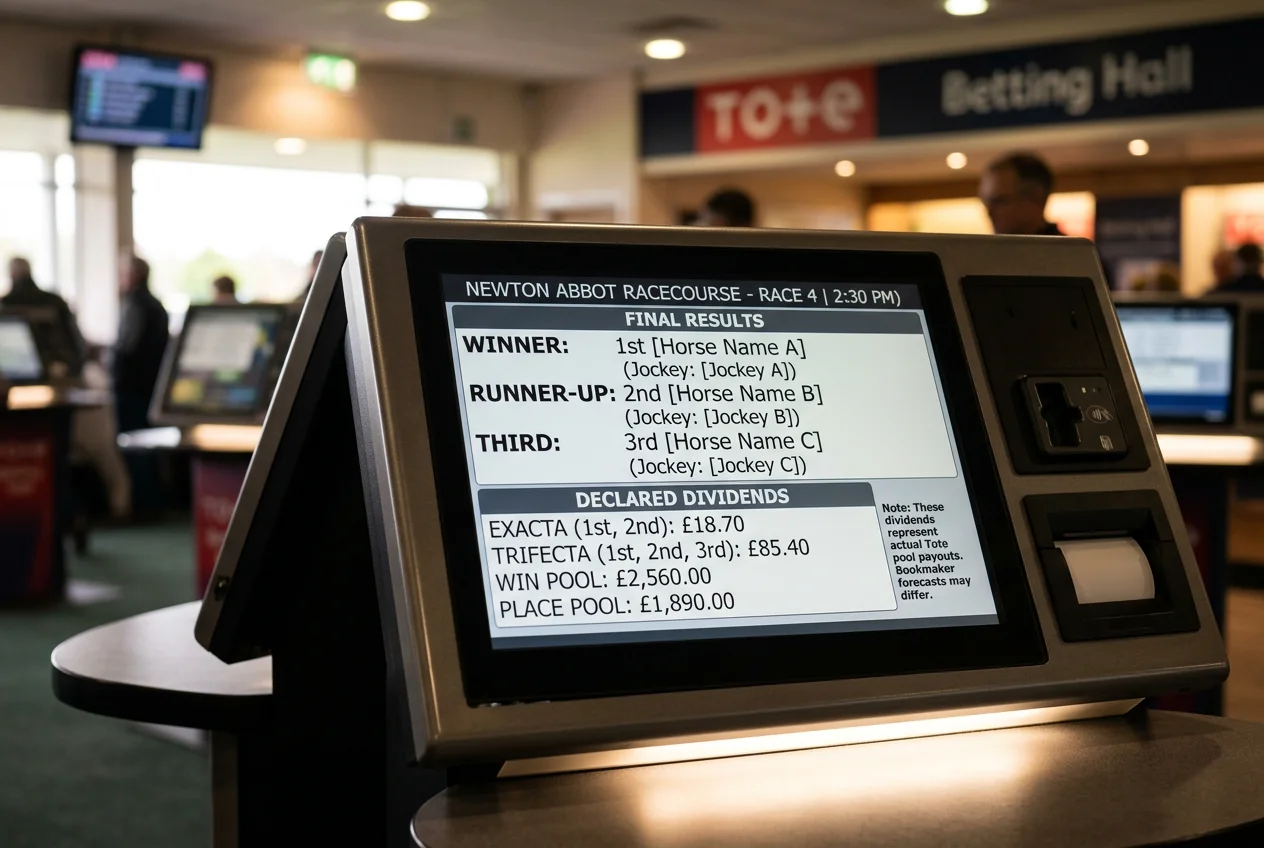
I ran the same two horses in a 12-runner handicap at York through both the Tote Exacta and a bookmaker’s Computer Straight Forecast. Same race, same selections, same finishing order. The CSF paid 47.82. The Tote Exacta paid 119.60 to a 1 unit. Same bet, same result, and the Tote paid two and a half times more. That disparity is not unusual – it is structural, and understanding when and why it occurs is worth more than any form study tip you will read this season. Visit horse racing exacta bet for pool vs fixed odds analysis.
How Each System Calculates Your Return
The Tote Exacta and the bookmaker forecast look identical from the outside – pick two horses in the correct order, get paid. But the pricing mechanisms underneath are fundamentally different, and those mechanisms determine which pays more in any given race.
The Computer Straight Forecast is a formula applied after the race. It takes the starting prices of the first and second horses and runs them through a mathematical model originally developed by the Horserace Betting Levy Board. The formula approximates what a fair payout would be based on the pre-race market prices, adjusted by a margin that favours the bookmaker. The punter has no influence on the CSF price – it is calculated mechanistically from the SP regardless of how much money was bet on the combination.
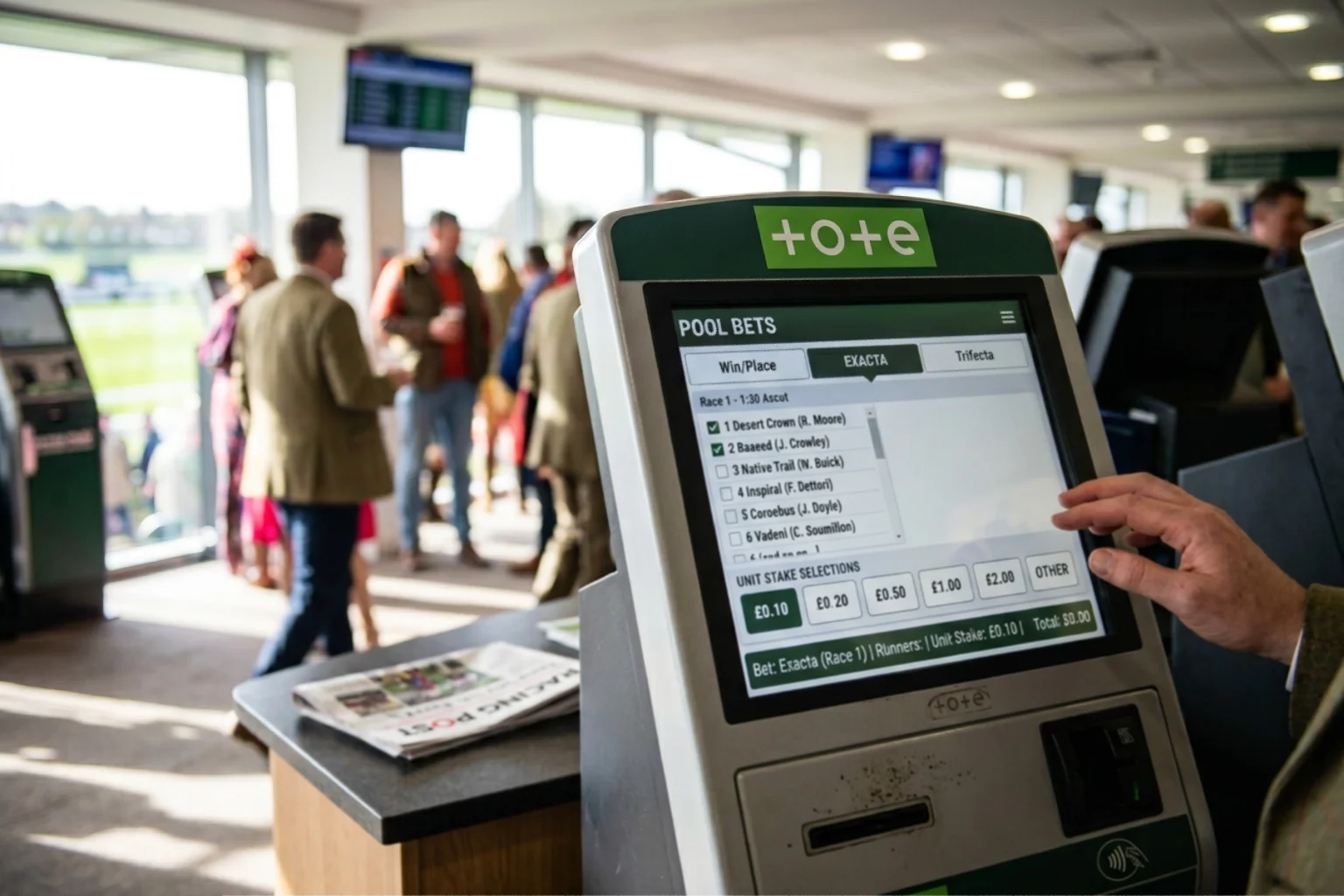
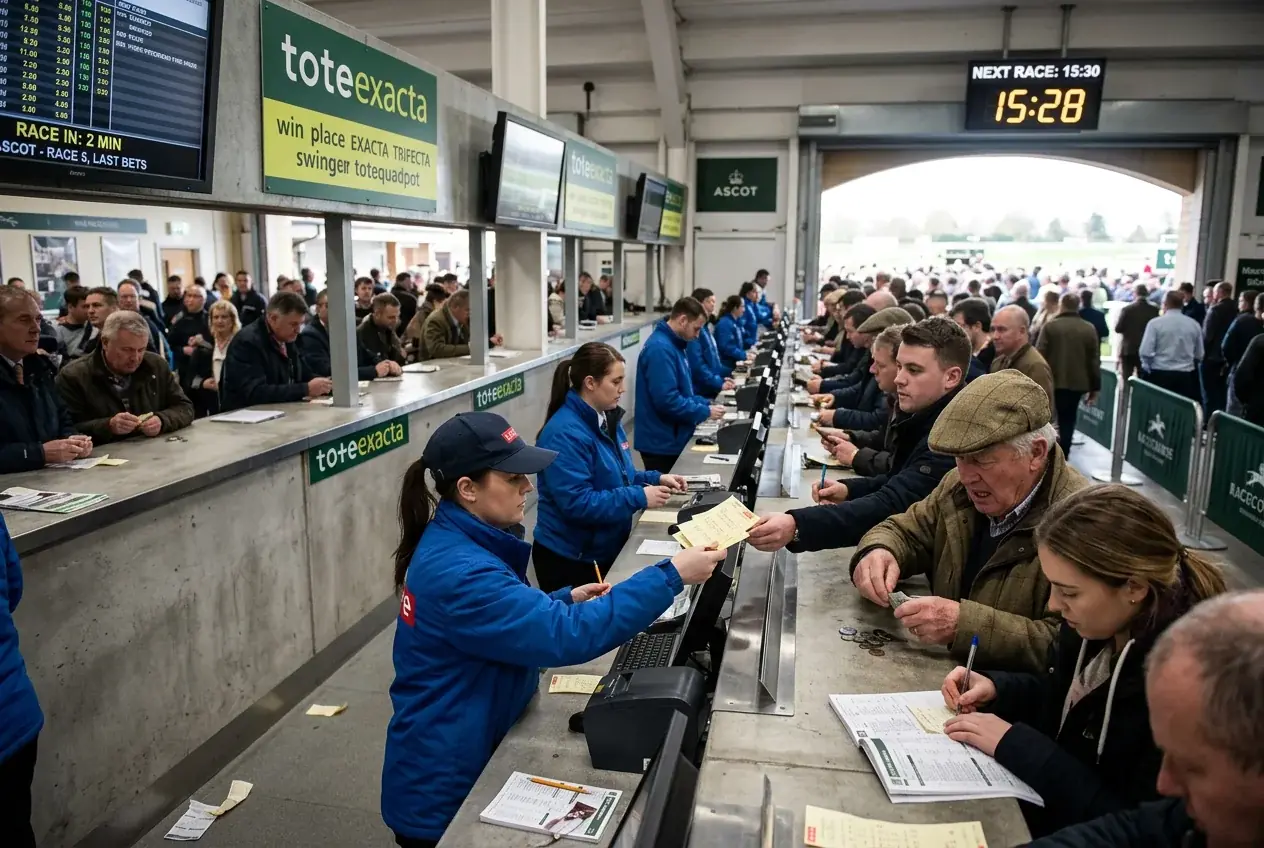
The Tote Exacta is pool-determined. Every pound wagered on every combination enters a single pool. After the race, the operator deducts 25% and divides the remainder among winning unit holders. The dividend is shaped entirely by how the betting public distributed its money. If your combination attracted very little support, the dividend is large. If half the pool backed the same pairing, the dividend is compressed. This means the Tote Exacta is not priced by a formula – it is priced by the crowd, and the crowd regularly misprices combinations.
Where the Tote Wins
Across 3,270 turf flat races analysed, the average Tote Exacta dividend was 102.44 per 1 unit, compared with 61.50 for the CSF. That gap – roughly 67% higher on average – is not a statistical anomaly. It reflects a systematic advantage in the pool structure that shows up most clearly in specific race types.
The Tote outperforms the CSF most dramatically when the result involves at least one horse outside the top four in the betting. The CSF formula is anchored to starting prices, so a 20/1 winner paired with a 10/1 second produces a CSF that is a mathematical function of those two prices. The Tote pool, however, reflects the actual money distribution – and if those two horses attracted minimal support in the exacta pool specifically, the dividend explodes beyond anything the CSF formula can produce.
Large-field handicaps are the clearest example. In a 16-runner sprint handicap, the CSF for a 14/1 and 8/1 combination might be 180. The Tote Exacta for the same result could be 350 or more, because the pool’s money was concentrated on combinations involving the first three in the betting. The crowd’s favourite bias creates a subsidy from losing bettors to winning bettors on unconsidered combinations – a subsidy that the CSF formula cannot replicate.
Where the CSF Wins
The CSF beats the Tote Exacta in one specific scenario: when the market favourite and second favourite finish first and second in that order. This is the most commonly backed combination in any exacta pool, absorbing a disproportionate share of the money. When it wins, the pool is divided among a large number of unit holders, compressing the dividend below what the CSF formula would produce.
In a 6-runner Group 1 where the 4/5 favourite beats the 3/1 second favourite, the CSF might pay 4.80. The Tote Exacta for the same result might pay 3.20, because 40% of the pool sat on that exact combination and the 25% deduction eats further into the net payout. In predictable races with short-priced participants, the CSF’s formula-based approach produces a better return than the crowd-determined pool.
My records show this crossover point occurs roughly when the first and second finishers are both in the top three of the betting market. Below that threshold – where the result is anticipated by the majority – the CSF formula produces a fairer return. Above that threshold – where at least one finisher is unconsidered – the Tote pool rewards the contrarian bettor disproportionately.
Making the Choice Race by Race
Given the structural differences, the logical approach is to use both systems selectively rather than defaulting to one. When I expect a competitive, unpredictable result – large fields, open handicaps, no dominant favourite – I bet the Tote Exacta because the pool structure amplifies the dividend on unconsidered combinations. When I expect a predictable result – small fields, clear market leader, class race – I either use the CSF or skip the exacta entirely because neither system pays well enough to justify the risk.
There is a practical consideration too. The Tote Exacta allows fractional unit stakes online – typically from 10p – which means you can build complex part-wheels and combinations at low cost. Most bookmaker forecasts require a minimum of 1 per combination, which limits the coverage you can achieve within a sensible budget. If you want to cover twelve combinations in a handicap, the Tote costs 1.20 at 10p units while the bookmaker version costs 12. The Tote’s lower minimum is a genuine structural advantage for punters who rely on coverage rather than single-combination precision. See real payout data in our biggest exacta payouts in UK history.
World Pool races add another layer. When a UK race is included in the World Pool, the Tote Exacta benefits from international liquidity and a reduced deduction of approximately 19.5% versus the standard 25%. On World Pool days, the Tote’s advantage over the CSF widens further, because the net pool is larger and the deduction is smaller. Identifying which races enter the World Pool is a simple calendar exercise that can shift the economics of every exacta bet on those days.
Is the Tote Exacta always better than the Computer Straight Forecast?
No. The Tote Exacta pays more on average – roughly 102.44 versus 61.50 per 1 unit across thousands of turf flat races – but the CSF outperforms in predictable races where the first two finishers are both near the top of the market. When the favourite and second favourite finish first and second, the CSF formula typically produces a higher return than the pool-determined Tote dividend because a large share of the pool sat on that combination.
Can I place both a Tote Exacta and a bookmaker forecast on the same race?
Yes. There is no restriction on placing both bet types simultaneously. Some punters use both on the same selections to guarantee the better payout regardless of which system pays more for that specific result. The combined cost is obviously higher, so this approach works best when you have strong conviction on a particular combination and want to capture the upside from whichever pricing mechanism favours the result.
Published by the Horse Racing Exacta bet team.