Dead Heat Rules in Tote Exacta Betting: How Shared Places Affect Your Dividend
 Available in US
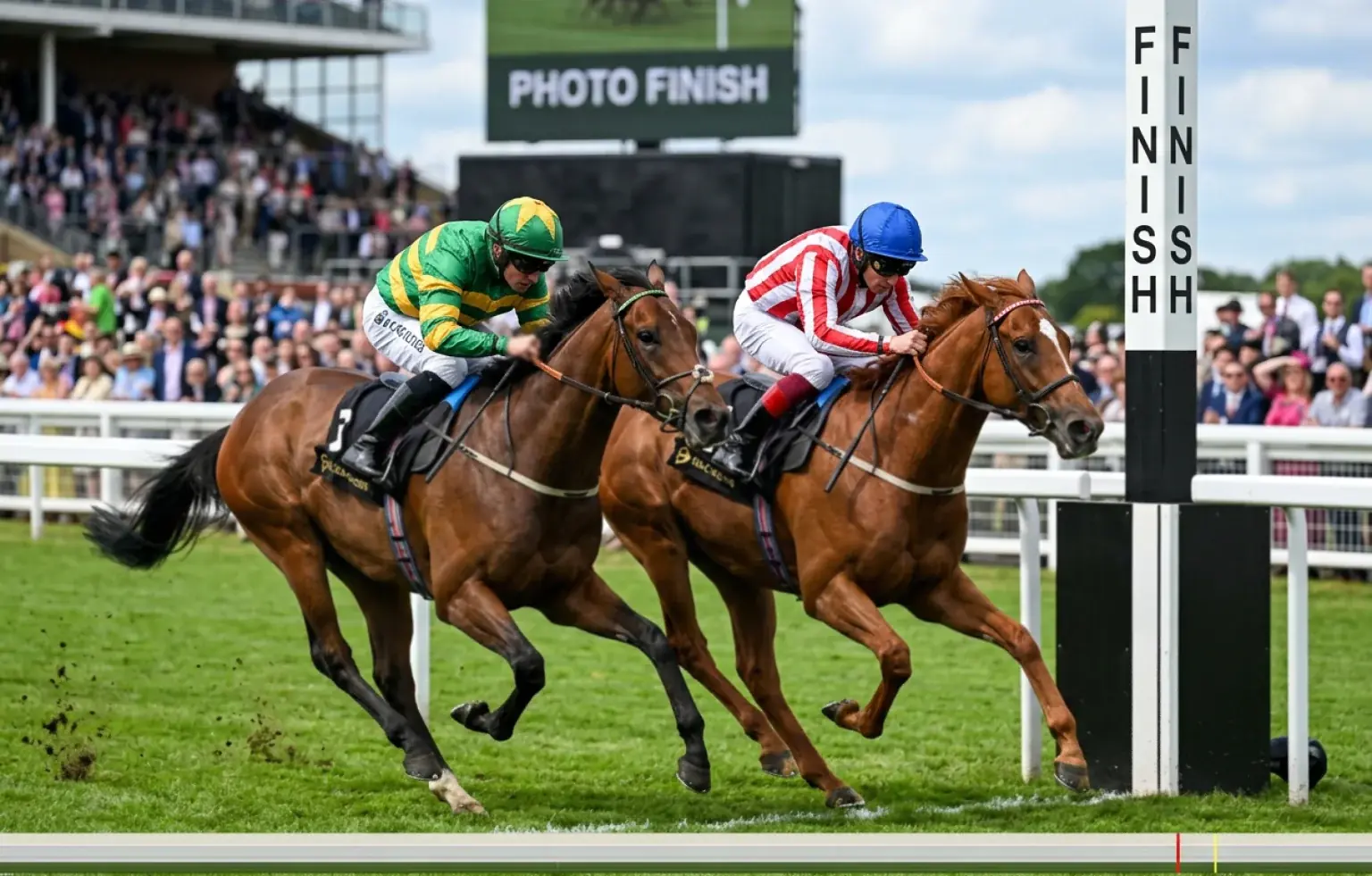
Two horses crossed the line together in a handicap at Newbury and I held an exacta with one of them in first and a different horse in second. The result was declared a dead heat for first, and my dividend was halved. Not roughly halved – precisely halved, down to the penny. Dead heats in Tote Exacta betting follow mechanical rules, and understanding those rules before they hit your bet is the difference between confusion and acceptance. See also: horse racing exacta bet for exacta rules and edge cases.
Dead heats are rare in UK racing but not vanishingly so. Across thousands of races each year, the photo-finish judge occasionally cannot separate two horses, and the result stands as a dead heat. For win bettors, the impact is straightforward – your returns are halved. For exacta bettors, the arithmetic gets more complicated because two finishing positions are involved, and either or both can produce a dead heat.
How the Tote Settles a Dead Heat for First
I rang the Tote helpline the first time a dead heat cost me half a dividend, convinced there had been an error. The person on the phone explained it calmly: when two horses dead-heat for first place, the Tote treats the result as if there are two winning exacta combinations, and the pool is divided accordingly.
Suppose Horse A and Horse B dead-heat for first, and Horse C finishes third but is promoted to second for exacta purposes. The Tote recognises two valid exacta results: A-C and B-C. If you hold A-C, your dividend is calculated as if the pool were split between all winning unit holders across both valid combinations. In practice, this means your dividend is roughly half what it would have been if Horse A had won outright, though the exact figure depends on how much money in the pool backed each combination.
The pool itself does not change. The total amount wagered, minus the operator deduction of 25%, is the same whether there is a dead heat or not. What changes is the number of winning units sharing that net pool. More winning combinations means more units, which means a smaller dividend per unit. This is not a penalty imposed by the Tote – it is a mathematical consequence of the pool structure, and it applies identically whether you bet online or on-course.
Dead Heat for Second and the Double Dead Heat
A dead heat for second is less dramatic for exacta bettors but still affects the calculation. If Horse A wins clearly and Horses B and C dead-heat for second, the Tote again recognises two valid exacta combinations: A-B and A-C. If you hold A-B, your dividend is approximately halved because the pool is now shared across two sets of winning units.
The nightmare scenario – and I have seen it happen twice in fifteen years of pool betting – is a double dead heat, where two horses share first and two different horses share second. This creates four valid exacta combinations, and the pool is split four ways. The dividend per unit drops to roughly a quarter of what a clean result would have produced. Mercifully, double dead heats are extraordinarily rare, but the rules still apply when they occur.
There is one edge case worth noting: if the two horses that dead-heat for first are the same two horses that form your exacta, you hold both valid combinations regardless of which order they are assigned. Your payout covers both sides of the dead heat, and while each individual unit pays half, you effectively receive the full dividend if you held both permutations. This is one of the quiet advantages of boxing your exacta – a boxed bet on two horses that dead-heat for first returns on both combinations.
Comparing Dead Heat Treatment Across Bet Types
Fixed-odds forecast bets handle dead heats similarly in principle but differently in execution. With a bookmaker forecast, the dead heat reduction is applied to your fixed-price return. The payout is deterministic – you know the price at the time of placement, and the dead heat rule halves it. With a Tote Exacta, the dividend is pool-determined, so the dead heat interacts with the pool distribution in ways that are not always intuitive.
Here is where it gets interesting: in a Tote pool, a dead heat can sometimes produce a combined return across all valid combinations that exceeds what a single winner would have paid to holders of one combination. This happens when the dead heat creates a winning combination that carried very little public money. If nobody backed A-C but many people backed B-C, and A and B dead-heat for first, the A-C dividend per unit will be significantly larger than the B-C dividend. The pool mathematics reward the less popular combination even in a dead heat scenario.
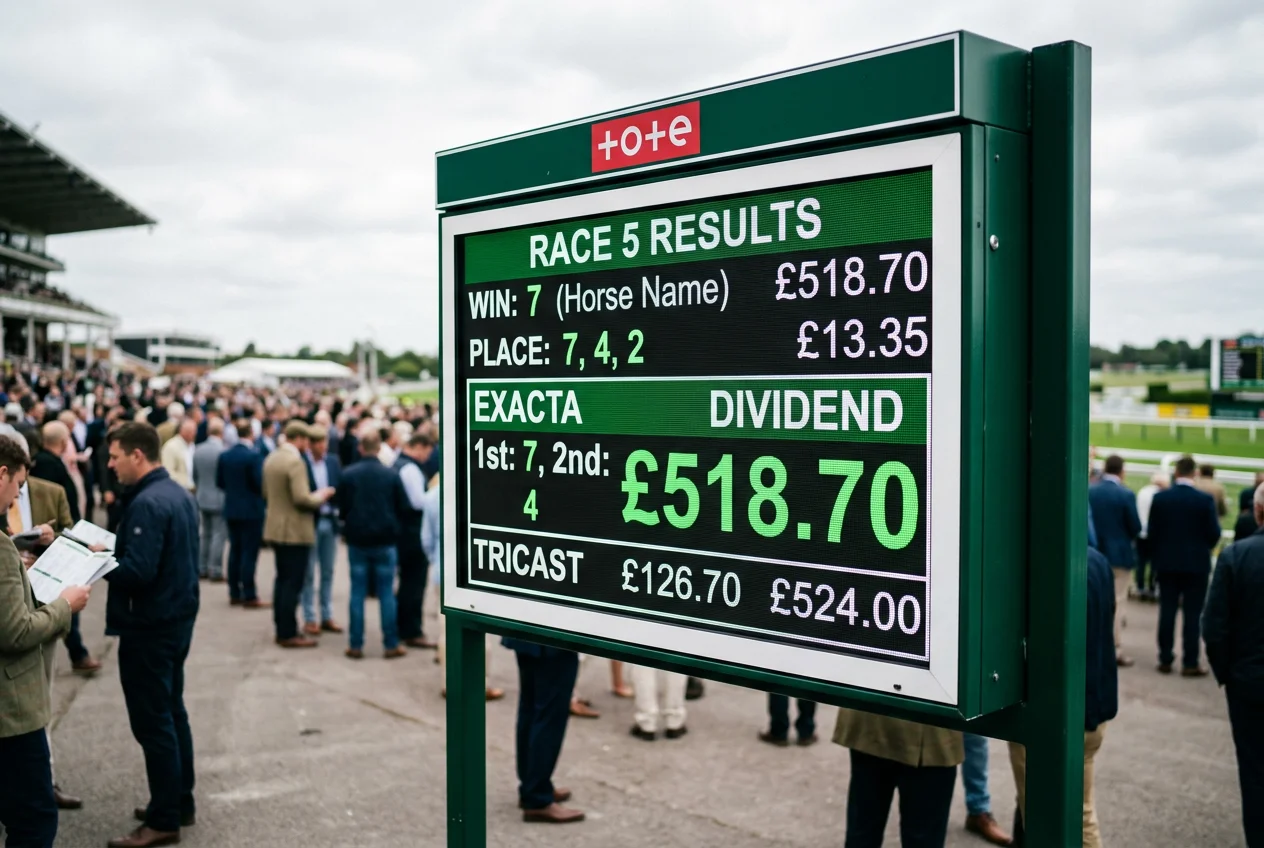
The average Tote Exacta dividend across 3,270 turf flat races was 102.44, compared with 61.50 for the Computer Straight Forecast. In a dead heat scenario, even a halved Tote Exacta dividend can match or exceed what the CSF would have paid for a clean result, depending on the pool distribution and the popularity of the winning combinations.
Protecting Your Exacta Against Dead Heats
Can you structure your exacta bets to minimise dead heat impact? Not entirely, but there are approaches that reduce the sting.
Boxing your two strongest fancies ensures you are covered if they dead-heat for first with each other. That specific scenario – your two selections sharing the top spot – is the one dead heat that actually works in your favour with a boxed bet, because you collect on both valid combinations. The cost of boxing is double the unit stake, but the dead heat protection on that exact scenario is built in.
Wheeling wider in the second position creates more potential winning combinations, and in a dead heat for second, you might hold one of the valid combinations that the rest of the pool missed. If you wheeled Horse A with six potential second-place finishers and two of those six dead-heat for second, you hold winning tickets on both valid combinations. Your individual dividends are halved, but you collect twice. Dead heats occur most often in exacta bets on handicap races.
The honest answer, though, is that dead heats are too rare to build an entire strategy around. Over hundreds of exacta bets, you might encounter a dead heat three or four times. The dividend reduction stings when it happens, but it does not materially alter the long-term mathematics of pool liquidity and dividend expectations. Accept it as part of the game, understand the rules before you encounter them, and move on to the next race.
Does a dead heat reduce my Tote Exacta dividend by exactly half?
Approximately, but not always exactly. When two horses dead-heat for first or second, the pool is shared across all valid winning combinations. If the dead heat creates combinations with very different levels of public support, the dividend per unit varies between them. Your specific dividend depends on how many winning units share the pool, which is determined by how much money backed each valid combination.
What happens to my exacta if a horse is disqualified after a dead heat?
If a horse involved in a dead heat is subsequently disqualified, the result is amended and the Tote recalculates the dividend based on the revised finishing order. This can mean a dead heat is removed entirely, increasing your dividend if your surviving selection is now the sole winner, or it can invalidate your bet if your selection was the disqualified horse. Stewards inquiries and amended results follow the same pool recalculation process.
Created by the ”Horse Racing Exacta bet” editorial team.