Exacta Betting at Royal Ascot: Pool Depth, Field Quality and Dividend Patterns
 Available in US

I backed a 33/1 and a 14/1 to finish first and second in the 2023 Royal Hunt Cup. The straight exacta paid more than either horse’s win price multiplied together – a quirk of how Tote pools reward combinations that nobody else backs. Royal Ascot is the one meeting where the exacta pools are deep enough to absorb serious money and still produce dividends that embarrass the fixed-odds market. Five days of elite racing, fields that regularly hit double figures, and a Tote presence on-course that dwarfs any other fixture – the conditions for exacta betting do not get better than this. Explore horse racing exacta bet for Royal Ascot pools.
UK racecourse attendance crossed 5.031 million in 2025, the first time it topped five million since 2019, and Royal Ascot accounts for a disproportionate share. The on-course crowd pushes Tote pool turnover at the meeting to levels that most Saturday cards cannot approach, and that liquidity directly benefits exacta bettors through more stable, more predictable dividends.
Why Royal Ascot Pools Outperform
A friend of mine who works the Tote booths at multiple meetings once described the difference between a Tuesday at Lingfield and a Wednesday at Royal Ascot as “the difference between a puddle and a reservoir.” The analogy stuck because it captures exactly what matters for exacta bettors – volume.
Pool depth at Royal Ascot is driven by three forces working simultaneously. First, the on-course attendance is enormous. Over 300,000 people attend across the five days, and the Tote is the dominant pooled betting operator at the track. Britbet reported on-course pool turnover of 73.6 million across all UK tracks in 2024, a 26% increase from 2018, and Royal Ascot takes a significant share of that annual figure in a single week. Second, the meeting attracts international attention, and World Pool races at Ascot feed into Hong Kong’s massive commingled pools, which reached HK$10.9 billion turnover across 329 races in the 2024-25 season. When a Royal Ascot race joins the World Pool, the net deduction drops from the standard 25% to around 19.5%, and the pool swells with international money that shifts the dividend structure entirely.
Third – and this is the part most punters overlook – Royal Ascot draws a betting public that disproportionately backs favourites. The social atmosphere, the tip sheets, the TV coverage all push casual punters toward the market leaders. For an exacta bettor willing to oppose the obvious, this favourite bias inflates dividends on any combination involving a horse outside the top three in the market. Two short-priced horses finishing first and second pays modestly in the exacta, but swap one of them for a 16/1 shot and the dividend multiplies several times over.
Heritage Handicaps and the Exacta Edge
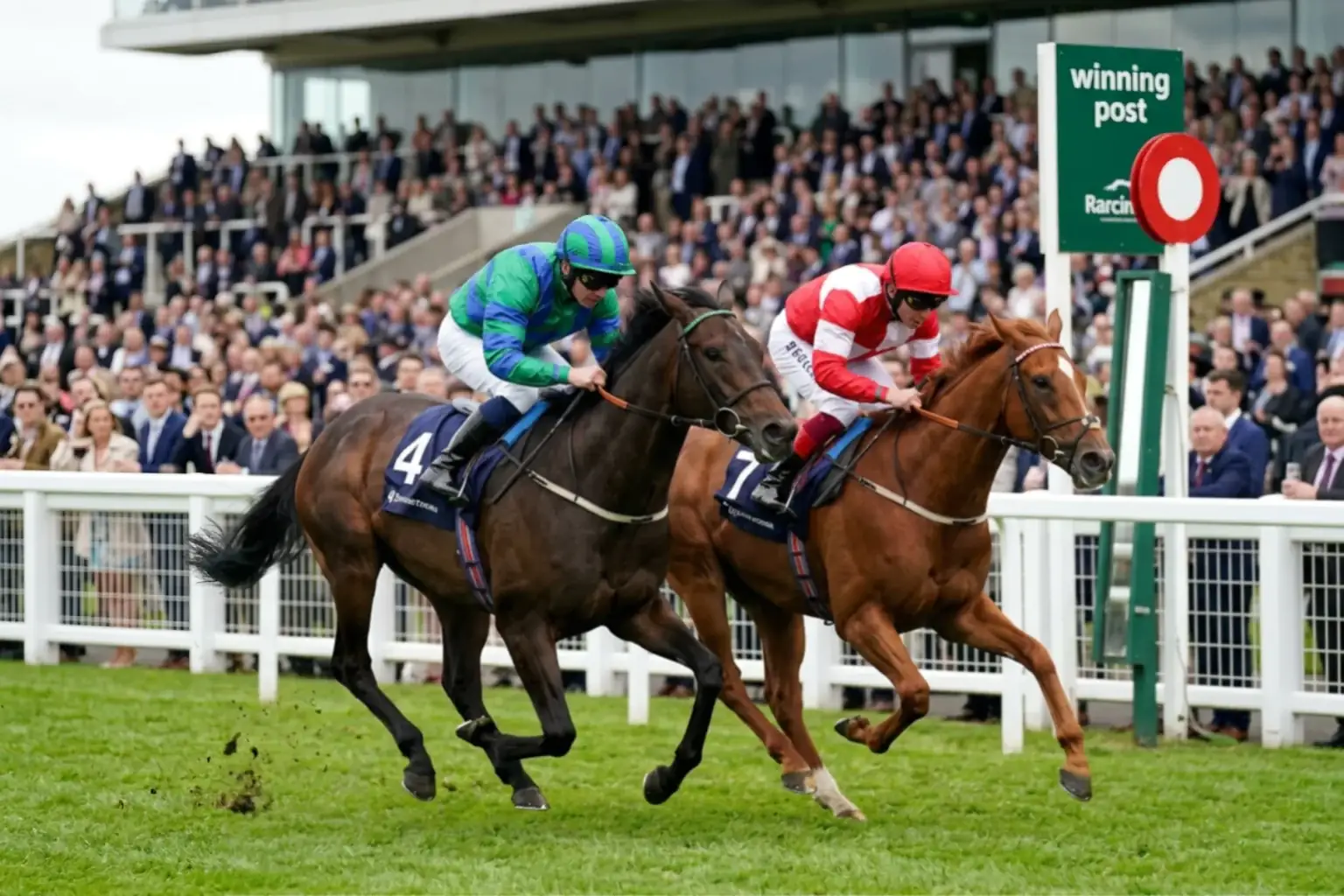
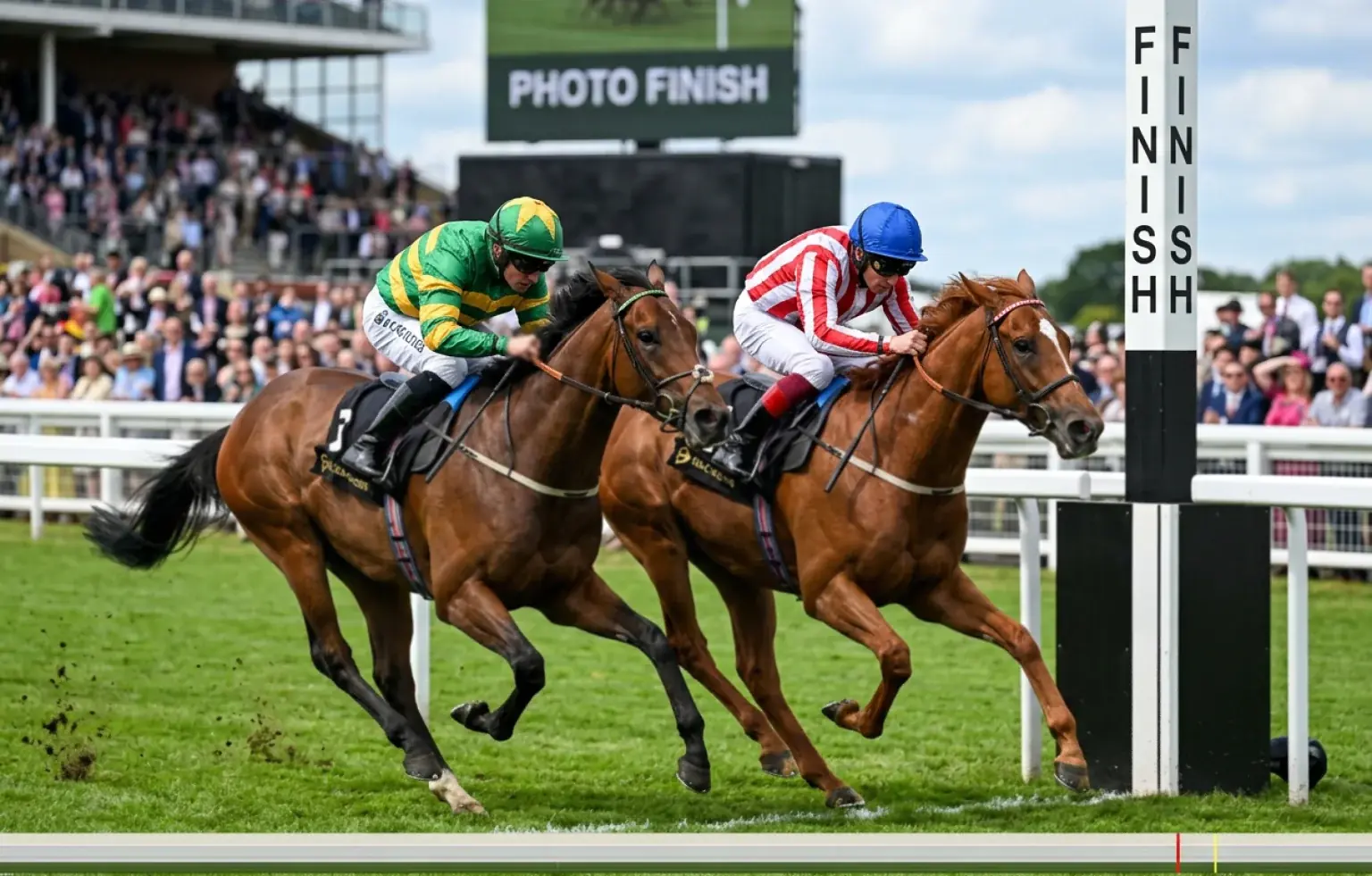
How many runners should a handicap have before an exacta becomes more interesting than a win bet? My threshold is ten. Below that, the number of possible combinations is manageable and the dividend rarely compensates for the difficulty. Above ten, the permutations multiply fast and the crowd’s money concentrates on a shrinking percentage of possible outcomes. Royal Ascot’s heritage handicaps – the Royal Hunt Cup, the Wokingham Stakes, the Britannia – regularly attract 20 or more runners. That creates hundreds of possible exacta combinations, most of which carry almost no public money.
Premier Flat meetings average 11.02 runners per race, but Royal Ascot handicaps routinely exceed that figure by five or six horses. A 20-runner handicap generates 380 possible exacta combinations. The crowd’s money, however, clusters around the top six or seven in the betting, covering perhaps 42 combinations out of 380. That leaves the vast majority of outcomes carrying thin or zero public support, and when one of those combinations wins, the dividend reflects the neglect.
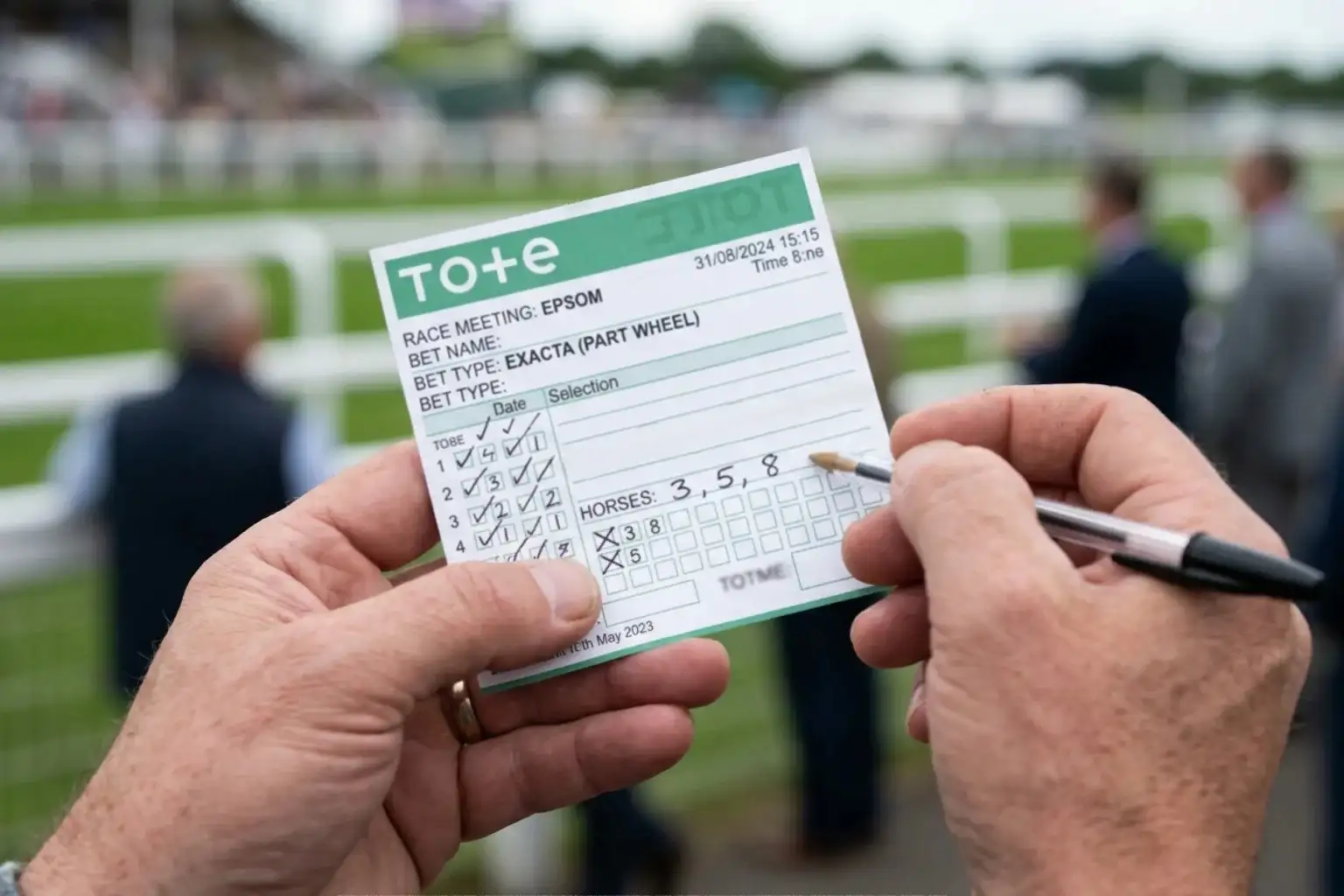
I tend to approach these races with a part-wheel structure: pick two or three horses I believe can win and wheel them with six or eight contenders for second. At a 10p unit stake, a 3×8 part wheel costs 2.40 – less than a pint at Ascot – and the upside if one of the less fancied horses fills the runner-up spot can be extraordinary. The key is resisting the temptation to include the favourite in both the first and second positions. If the favourite wins, pair it with outsiders. If an outsider wins, pair it with the favourite for second. Mixing the two creates part-wheel structures that maximise dividend potential without ballooning the stake.
Group Races and Shallow Pools
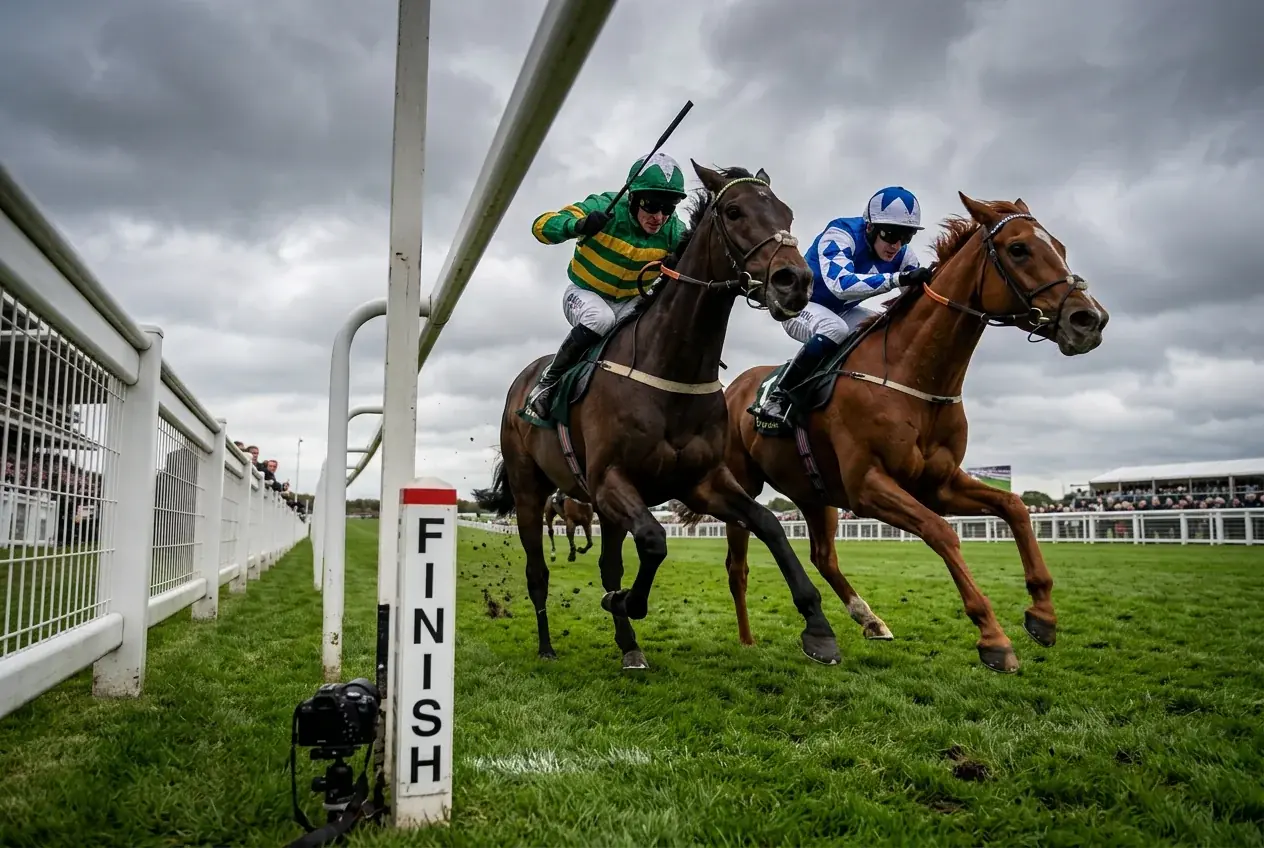
Not every Royal Ascot race suits the exacta. The Group 1 contests – the Gold Cup, the Queen Anne, the Diamond Jubilee – run with smaller fields and more predictable outcomes. A six-runner Gold Cup where one horse is 4/6 will produce an exacta dividend that barely justifies the effort. I have seen Gold Cup exactas pay less than the win price of the second horse, which makes the whole exercise pointless.
The exception is when a Group 1 draws a genuinely competitive field. The Queen Anne Stakes with eight or nine runners, all within a few pounds of each other on ratings, creates genuine uncertainty even at the highest level. In those races, the exacta can outperform because the betting public spreads its money more evenly, leaving no single combination heavily backed and the dividend shaped by a more balanced pool distribution.
My rule for Royal Ascot Group races is simple: if the favourite is shorter than 2/1, skip the exacta and focus on the handicaps. If the favourite is 3/1 or bigger, the Group race becomes worth considering because the pool will be more evenly distributed and the dividend for a non-obvious combination rises accordingly.
Timing Your Bets Around the Royal Ascot Pool
I once placed an exacta 45 minutes before the Royal Hunt Cup and watched the indicative dividend for my combination drop by 40% as late money flooded in. The lesson was expensive: at Royal Ascot, the pools shift dramatically in the final ten minutes before the off, and placing early locks you into a position that the late market can erode.
The Tote’s indicative dividends at Royal Ascot are less reliable than at smaller meetings precisely because the pool is still forming right up to the off. Unlike fixed-odds where your price is locked at the moment of placement, the Tote exacta dividend is calculated after the pool closes. If your combination attracts heavy late support, your payout shrinks regardless of when you placed the bet. The flip side is also true – if your combination drifts in the final minutes, your dividend improves.
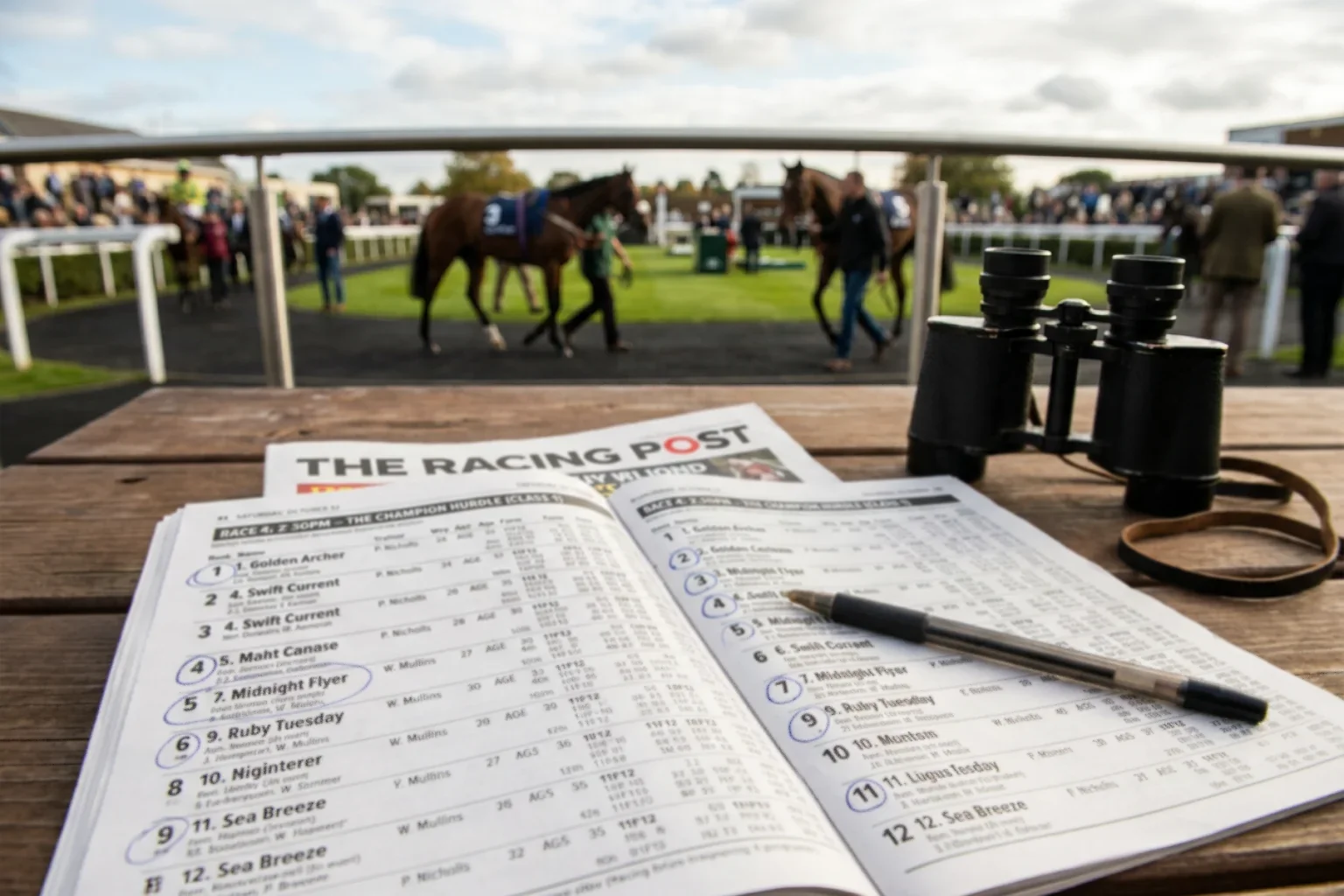
For the big handicaps, I now place my bets in the final five minutes. The indicative dividends at that point are close to the final settlement figure, and I can see whether my targeted combinations are attracting public money or sitting untouched. If a combination I like is showing a strong indicative dividend with three minutes to post, that is the moment to commit. If it has collapsed because a TV pundit tipped the same pairing, I look for an alternative or skip the race entirely.
The on-course pools close slightly earlier than the online pools, so if you are betting through the Tote app at the track, you have a fractional timing advantage over the self-service terminals. It is a small edge, but in a game of margins, small edges accumulate.
Building a Five-Day Exacta Plan
Royal Ascot is five days of racing, and treating each day in isolation wastes the structural advantage that a festival-length meeting offers. Over five days, you have roughly thirty races – enough to apply a systematic approach and absorb the variance that individual race results create.
My approach is to allocate a fixed bankroll for the entire meeting and divide it across a preset number of exacta bets. I identify the races that fit my criteria – fields of ten or more, competitive handicaps, no dominant favourite – and allocate roughly equal stakes to each. In a typical year, that means 12-15 exacta bets across the five days, with the heritage handicaps getting slightly larger allocations because the dividend upside is highest there.
The discipline is in skipping races that do not fit. Day one might produce four qualifying races; day four might produce only two. The temptation at a festival is to bet every race because you are there, the atmosphere is electric, and doing nothing feels like missing out. Exacta betting at Ascot rewards patience far more than activity. One well-constructed part-wheel in the Wokingham can return more than ten casual exactas across the rest of the card combined. Compare with summer pools in our exacta betting at York guide.
Are Royal Ascot Tote Exacta pools included in the World Pool?
Selected Royal Ascot races are included in the World Pool, which commingles bets from Hong Kong and other international jurisdictions. This increases pool liquidity and reduces the net deduction from 25% to approximately 19.5%. Not all races qualify – typically the Group 1 contests and major handicaps are included. Check the Tote website or racecourse announcements on the day.
What is the minimum exacta stake at Royal Ascot on-course?
On-course Tote terminals at Royal Ascot typically have a minimum unit stake of 1 per combination. Online through the Tote website or app, the minimum is usually 10p per combination. If you want to play multiple combinations cheaply, the online route gives more flexibility with smaller unit stakes.
Which Royal Ascot races produce the biggest exacta dividends?
Heritage handicaps with large fields consistently produce the highest exacta dividends. The Royal Hunt Cup, Wokingham Stakes, and Britannia Stakes regularly attract 20 or more runners, creating hundreds of possible combinations and concentrating public money on a small fraction of outcomes. Group 1 races with small fields tend to produce lower dividends.
Published by the Horse Racing Exacta bet team.